







T op Recommendations By Experts for 500 sq ft home
- Best Overall: Honda EU2200i 2200W Inverter Generator
- Best Mid-Capacity: Honda EU3000iS 3000W Inverter Generator
- Best Dual-Fuel (Gas/Propane): Champion 4375W Dual Fuel Generator
- Best Solar: EcoFlow DELTA Pro 3 Portable Power Station
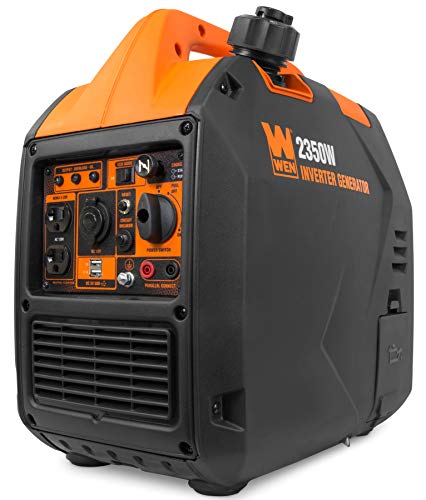
- Best for Budget: WEN 56235i 2350W Inverter Generator
- Best for High Power/Central AC: Generac Guardian W Standby Generator
- Best Portable Quiet: Westinghouse iGen4500c 4500W Inverter Generator
When you’re looking for the best generators for a 500-square-foot home, the most important thing is usually not which one appears the most powerful. It’s about figuring out what you really need for a small area like a studio, tiny home, compact cabin, guest house, or apartment-like arrangement without spending too much on extra electricity that you won’t need.
The good news is that most homes that are 500 square feet or less don’t need a huge backup unit for the whole house. A tiny home generator that is well-chosen can often keep the basics running, and sometimes even more, depending on your setup and the appliances you wish to use during a power outage.
That’s why it’s more important to get the correct size generator for a tiny house than to just buy the biggest one you can afford. Some homes only need a portable model. An inverter generator for an apartment-sized residence makes more sense for some people because it is quieter, more efficient, and simpler to live with in a smaller space.
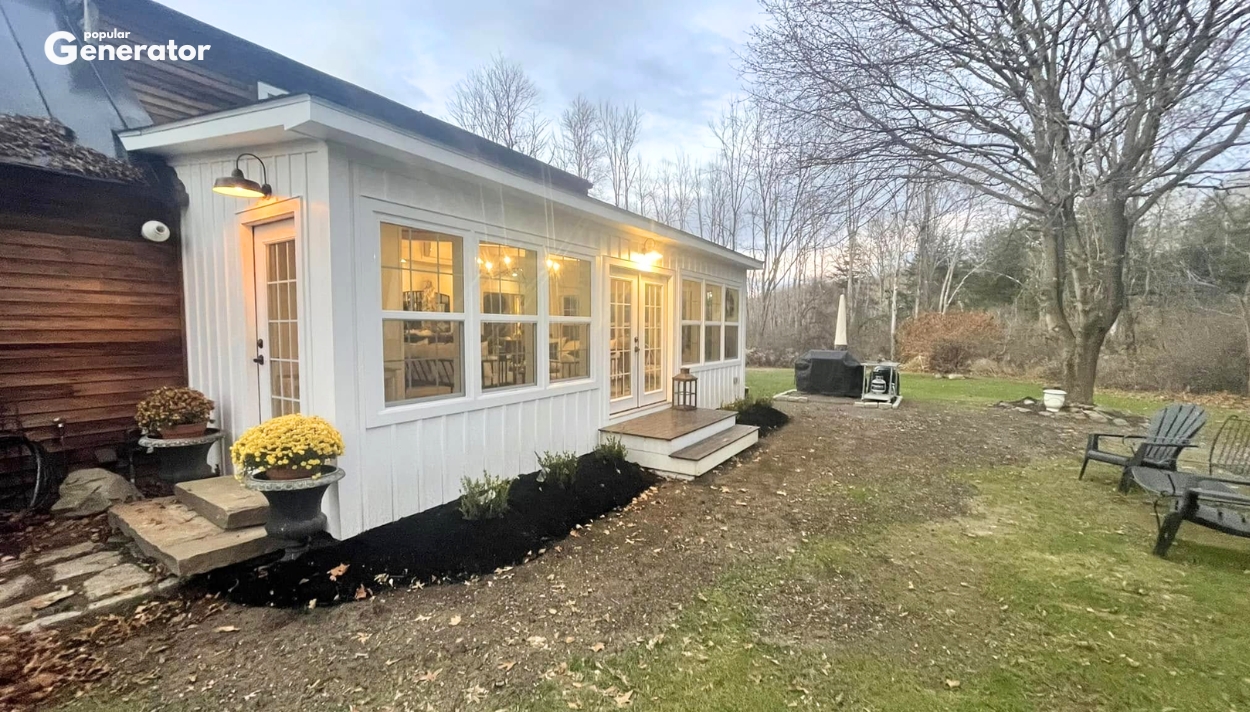
QA: What Size Generator Does a 500 Sq Ft Home Need?
A 500 sq ft home usually does not need a huge generator, but it also should not be sized by square footage alone. The real question is what you want to keep running during an outage. For some people, that just means a refrigerator, a few lights, Wi Fi, phone charging, and maybe a fan or TV. For others, it also includes a microwave, coffee maker, or a small window AC, which can push power needs up much faster than expected.
That is why the best generator for a small house is usually one that matches your actual daily habits, not the biggest model you can afford. In a studio, tiny home, guest house, or cabin, a smaller setup often makes more sense because you are usually backing up selected essentials, not trying to power the entire home like a large suburban house.
In simple terms, most 500 sq ft homes fall into one of these situations:
- Essentials only: lights, fridge, router, chargers, fan
- Essentials plus comfort items: adding kitchen appliances, entertainment, or window AC
That difference matters a lot. A home that only needs basic backup can stay in a much more practical range, while a home that wants cooling or multiple appliances running together may need a noticeably stronger unit. This is also why many buyers end up choosing a small home generator or an inverter generator for an apartment-size home instead of a large whole-house machine. It is often quieter, easier to manage, and simply a better fit for a compact space.
A 500 sq ft home usually needs a generator for selective backup, not a whole-house monster. The right size depends on your appliance mix, your comfort expectations, and how close you want your backup setup to feel to normal everyday living.
Best Generators for a 500 Sq Ft Home (Reviews)
After looking at what a small home really needs during an outage, these are the models that stand out the most in actual use. Each one fits a slightly different type of backup setup, whether you want a simple essentials-only generator, a quieter inverter unit, a dual-fuel option, or a more powerful whole-home solution.
Best Overall for a 500 Sq Ft Home
For a 500 sq ft home, the Honda EU2200i is the kind of generator that just makes sense. It gives you 2,200 starting watts and 1,800 rated watts, which is enough for a fridge, lights, Wi Fi, chargers, and a few small daily essentials without feeling oversized. What really stands out in use is how easy it is to live with.
At just 47.4 pounds and only 48 to 57 dB(A), it is small, quiet, and simple enough to pull out when needed without turning backup power into a project.
Best Mid-Capacity
The EU3000iS feels like the “I want more comfort, not just survival” option. On paper, the jump to 3,000 max watts and 2,800 rated watts already gives it a lot more breathing room, but in real use the bigger difference is the way it runs: calmer, steadier, and less demanding during longer outages.
With electric start, a 3.4-gallon tank, and up to 19.6 hours at quarter load, it fits a small home that wants quiet backup power but does not want to micromanage every appliance all day.
Best Dual-Fuel (Gas/Propane)
The Champion 4375-Watt is a practical pick for small-home backup because it gives you flexibility before anything else. Its dual-fuel setup lets you run on gasoline or propane, and that matters a lot more in real outages than people expect.
Gas gives you up to 4,375 starting watts and 3,500 running watts, while propane drops a bit lower but gives you another storage option. For a 500 sq ft home, that makes it a very usable middle-ground choice if you want more headroom than a small inverter without stepping into standby-generator territory.
Best Solar
The DELTA Pro 3 feels completely different from the gas units on this list, and that is exactly why it stands out. There is no pull start, no exhaust, and no fuel routine to think about. You get 4,000W of output, dual 120V/240V support, up to 6,000W with X-Boost, and an LFP battery platform rated for 4,000 cycles to 80% capacity, with expansion up to 12kWh.
In a small home, that turns into a very clean backup experience, especially for people who care as much about quiet operation and low maintenance as they do about raw power.
Best for Budget
The WEN 56235i works because it does not try to be more than it is. It is a basic, affordable inverter generator with 2,350 surge watts and 1,900 rated watts, but for a small home that may be all you need for selective backup.
The part that makes it easy to recommend is the balance: 39 pounds, over 5.7 hours at half load on a one-gallon tank, and clean enough power for sensitive electronics thanks to very low THD. It feels like a smart entry-level choice for someone who wants a real backup option without spending Honda money.
Best for High Power/Central AC
This one is clearly the outlier on the list. A 10kW standby generator is more than most 500 sq ft homes truly need, but it belongs here for buyers who are not shopping for “just enough.” They want automatic backup, no manual setup, and the ability to keep a more complete home routine intact, especially if central AC is part of the plan.
Generac positions this model as an automatic standby system for essential circuit protection, and features like Quiet-Test mode make it more livable than a portable unit for long-term home backup.
Best Portable Power and Quiet
The iGen4500c lands in a really useful sweet spot for a 500 sq ft home. It gives you 4,000 peak watts and 3,700 running watts, but it still behaves like a quiet inverter unit instead of a loud open-frame machine.
With up to 18 hours of runtime at 25% load, a 3.4-gallon tank, remote/electric/recoil start, and noise around 52 dBA, it feels much easier to live with than a typical higher-output portable generator. This is the kind of model that gives you enough extra margin for heavier daily use without making the whole setup feel oversized.
How to Calculate Generator Size for a 500 Sq Ft Home
The easiest mistake is to size a generator by square footage alone. A 500 sq ft home sounds small, but that does not automatically mean the power demand will stay low. What really matters is what you want to run at the same time.
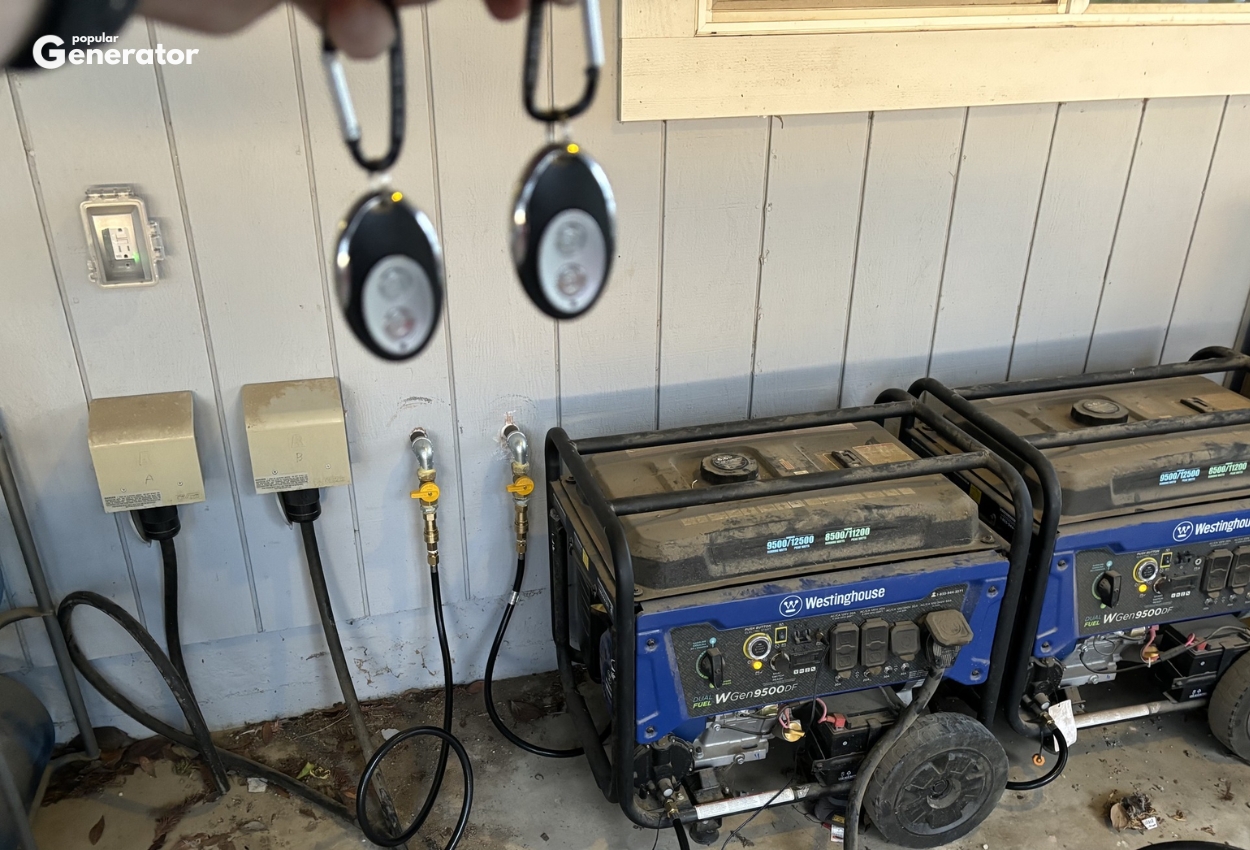
A simple backup setup may only include a refrigerator, a few lights, Wi Fi, phone charging, and a fan. In that case, your needs stay fairly manageable. But once you add things like a microwave, coffee maker, or a window AC, the required wattage can jump much faster than most people expect.
The practical way to size a generator is to build from your appliance list, not from your floor plan.
Step 1: List the essentials you actually need
Start with the appliances you would realistically want during an outage, not everything in the home.
For most small homes, that usually means:
- Refrigerator
- A few lights
- Router
- Phone and laptop chargers
- Fan
- TV
If you want a more comfortable setup, you might also add a microwave or a small window AC. That is where sizing becomes more important, because heavy appliances can change the entire generator range you should be looking at.
Step 2: Add up the running watts
Each appliance uses a certain amount of power while it is running normally. This is your running wattage.
That number gives you the base load your generator needs to handle continuously. If your total running load is already close to a generator’s limit, the setup will feel tight very quickly, especially if you end up plugging in one more thing than planned.
Step 3: Account for starting watts
Some appliances need an extra surge of power when they first turn on. This is especially common with anything that has a motor or compressor, like a refrigerator or air conditioner.
That is why two homes with the same appliances on paper can still need different generator sizes in real use. A unit may look strong enough based on running watts, but still struggle if the starting load is too high.
Step 4: Leave some breathing room
Do not size your generator right at the edge. A little extra capacity makes the setup easier to live with, helps the generator run under less stress, and gives you room for small changes during an outage.
A good rule is to think in layers:
- Basic backup for essentials only
- Comfort backup if you want kitchen items or entertainment too
- Higher-demand backup if you want cooling or multiple bigger appliances
That is usually the difference between buying a generator that works on paper and buying one that actually feels practical when you need it.
What this means for a 500 sq ft home
For a small house, the right generator is usually the one that covers your priority appliances with a bit of extra headroom. Not too small that it struggles, and not so oversized that you spend more money, fuel, and storage space than necessary.
What Can a Generator for a 500 Sq Ft Home Actually Run?
For a 500 sq ft home, the real question is not whether a generator can power the whole space. It is whether it can handle the appliances that matter most during an outage. In a small home, that usually means covering essentials first, then deciding whether you also want comfort items like a microwave or window AC.
A compact generator can often handle the basics without much trouble. But once you start adding heating, cooling, or multiple kitchen appliances at the same time, the load adds up fast.
| Setup | What it can usually run | What to watch out for |
|---|---|---|
| Essentials only | Fridge, a few lights, Wi Fi, phone chargers, fan | Usually the easiest and most practical backup setup |
| Essentials + comfort items | Fridge, lights, router, TV, fan, microwave | You need more headroom, especially if several items run together |
| Essentials + window AC | Fridge, lights, router, fan, small window AC | AC startup power can push you into a higher generator range |
| Near full small-home backup | Most daily basics plus a few extra appliances | Easy to overload if you do not manage usage carefully |
The safest way to think about it is simple: a generator for a small house should be sized around your priority appliances, not the idea of powering everything at once. For most 500 sq ft homes, selective backup is usually the smarter and more realistic setup.
FAQs About Generators for a 500 Sq Ft Home
Q: How long can a generator run during a power outage?
That depends on the fuel tank size, load level, and generator type. In real use, runtime is rarely the same as the number shown on the box, because most brands test under light or moderate load. If you are powering a small home during an outage, runtime usually drops faster once you add a refrigerator, fan, lights, and other essentials at the same time.
For buyers, this means runtime matters almost as much as wattage. A generator that runs longer on a partial load can feel more practical than a more powerful model that burns through fuel too quickly. If outages in your area tend to last overnight or longer, it is worth paying close attention to runtime at realistic use levels, not just peak output.
Q: Is a dual-fuel generator worth it for a small home?
For many small homes, yes. A dual-fuel generator gives you more flexibility because you can switch between gasoline and propane depending on what is easier to store or find during an outage.
That can be especially useful if you want a backup setup that is easier to manage over time. Gasoline is common and convenient, but propane is often cleaner to store and can sit longer without the same storage concerns. For a 500 sq ft home, dual-fuel is less about needing more power and more about making backup power easier to live with.
Q: Do I need a transfer switch for a 500 sq ft home?
Not always, but it can make your setup safer and more convenient. If you only plan to run a few appliances directly with extension cords, a transfer switch may not be necessary. But if you want a cleaner and more organized setup for selected circuits, it becomes a smart upgrade.
This is especially true if you want to power things like outlets, lights, or a refrigerator without running cords all over the house. For a small home, a transfer switch is not about size. It is about ease of use, safety, and how permanent you want the backup setup to be.
Q: Is a solar generator enough for a 500 sq ft home?
It can be, depending on what you need it to do. A solar generator or battery power station can work well for light backup needs such as charging phones, running Wi Fi, powering lights, or keeping small electronics going. It can also be a strong option for people who want quiet operation and less maintenance.
But for heavier loads or longer outages, it may not replace a fuel generator on its own. If your backup plan includes refrigeration, cooking appliances, or cooling, you need to look carefully at battery capacity, output limits, and recharge speed. For some homes, a solar setup works best as part of a layered backup plan rather than the only solution.


Write Your Review
No reviews yet. Be the first to share your experience!