


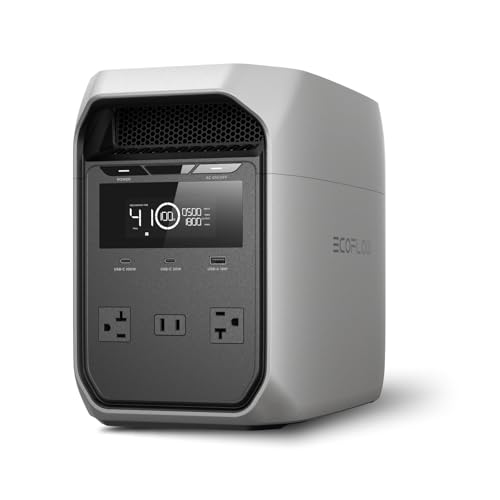


Quick Picks: Best Solar Generators Under $500
- Best Overall: EF ECOFLOW Portable RIVER 2 Pro Solar Power Station & Generator
- Best Feature-Rich Budget: Bluetti EB3A 268Wh Solar Generator LiFePO4 Battery Backup
- Best Small: Anker SOLIX C300 DC Power Bank Station, Outdoor 288Wh Portable Power Station
- Best Portable Reliability: Jackery Portable Power Station Explorer 300 with Carrying Bag
- Best Budget Option: Marbero Portable Power Station (88Wh)
- Best Value/High Power Option: Jackery Explorer 1000 v2 Portable Power Station
The good news is that you don’t have to spend thousands of dollars to get one. Today, there are several reliable solar generators under $500 that can easily power phones, laptops, lights, and other small devices during outdoor trips or short power outages.
In this guide, we’ve selected the best solar generators under $500 based on battery capacity, portability, charging options, and overall value. Whether you need a compact power station for camping or a budget backup solution for home use, these picks offer some of the best performance in this price range.
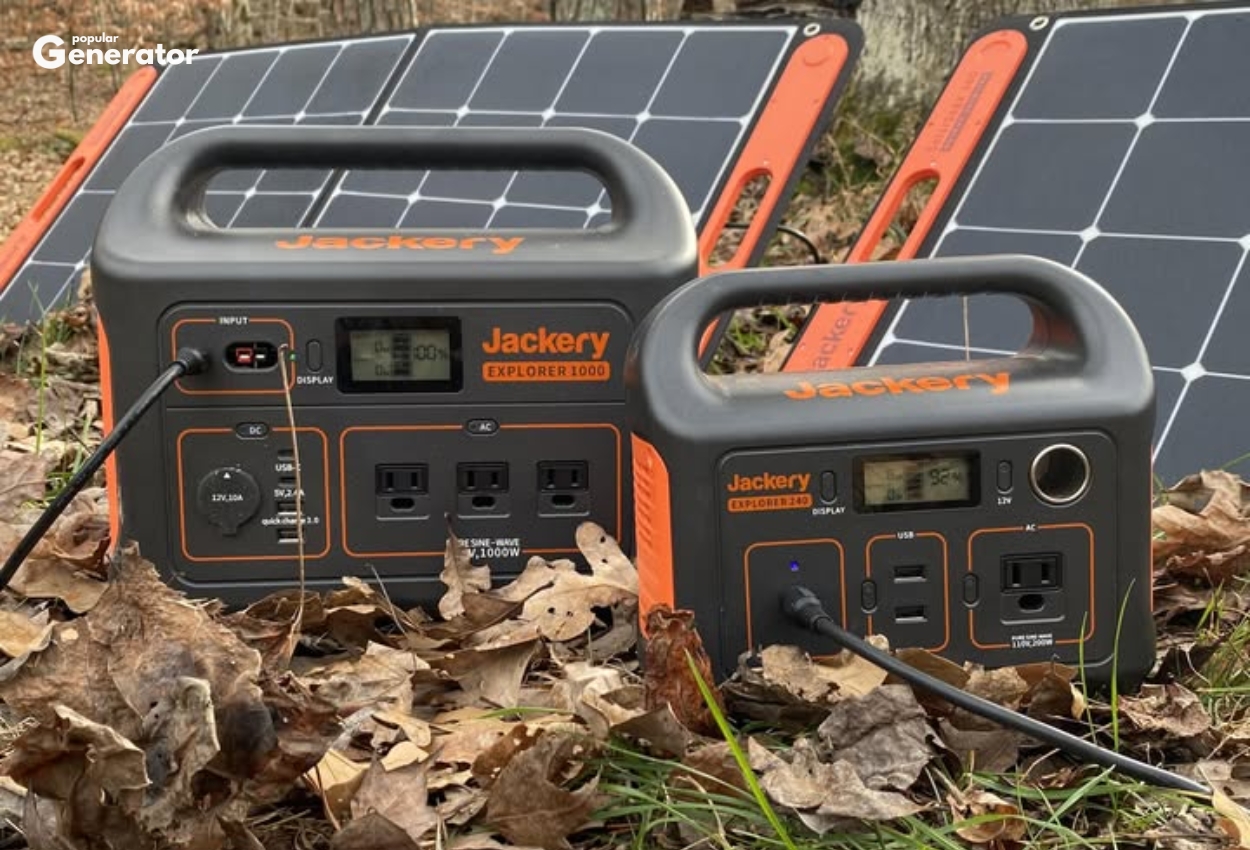
Are Solar Generators Under $500 Worth It?
Yes.
For many users, solar generators under $500 are absolutely worth it, especially if you need a portable and affordable power solution for light-duty use. In this price range, most solar generators provide around 250Wh to 700Wh of battery capacity, which is enough to handle everyday electronics and small devices during outdoor trips or short power outages.
For example, entry-level models like the Anker SOLIX C300 Portable Power Station offer about 288Wh of capacity while remaining compact and easy to carry. Spending closer to $500 can get you larger units such as the EcoFlow River 2 Pro Portable Power Station, which provides significantly more capacity and output power for extended use.
Why solar generators under $500 are worth it
One of the biggest advantages is value and portability. Many models in this range weigh under 10 pounds, making them easy to bring on camping trips, road travel, or outdoor work setups. Despite their compact size, they still provide enough energy to power essential devices like:
- Smartphones and tablets
- Laptops and cameras
- Drones and battery chargers
- LED lights and small fans
- CPAP machines or other small medical devices
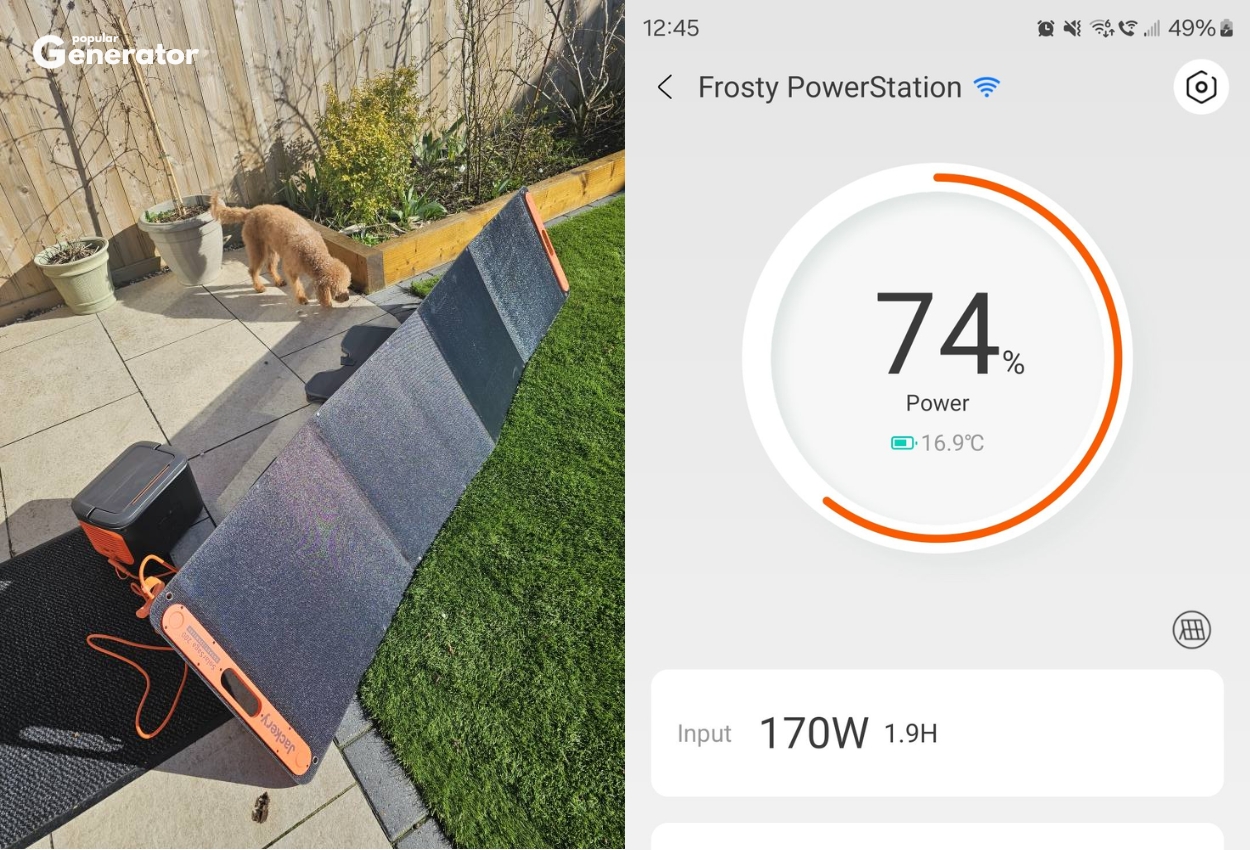
Another major benefit is that they can be recharged using solar panels, allowing you to generate power off-grid. While solar panels are often sold separately, connecting a portable panel allows the generator to recharge during the day, making it useful for longer outdoor trips or emergency preparedness.
Reliability is also improving in this price range. Well-known brands such as Jackery, EcoFlow, and Anker now offer models with durable lithium-ion or LiFePO4 batteries, which are designed to provide hundreds or even thousands of charge cycles.
Limitations to consider
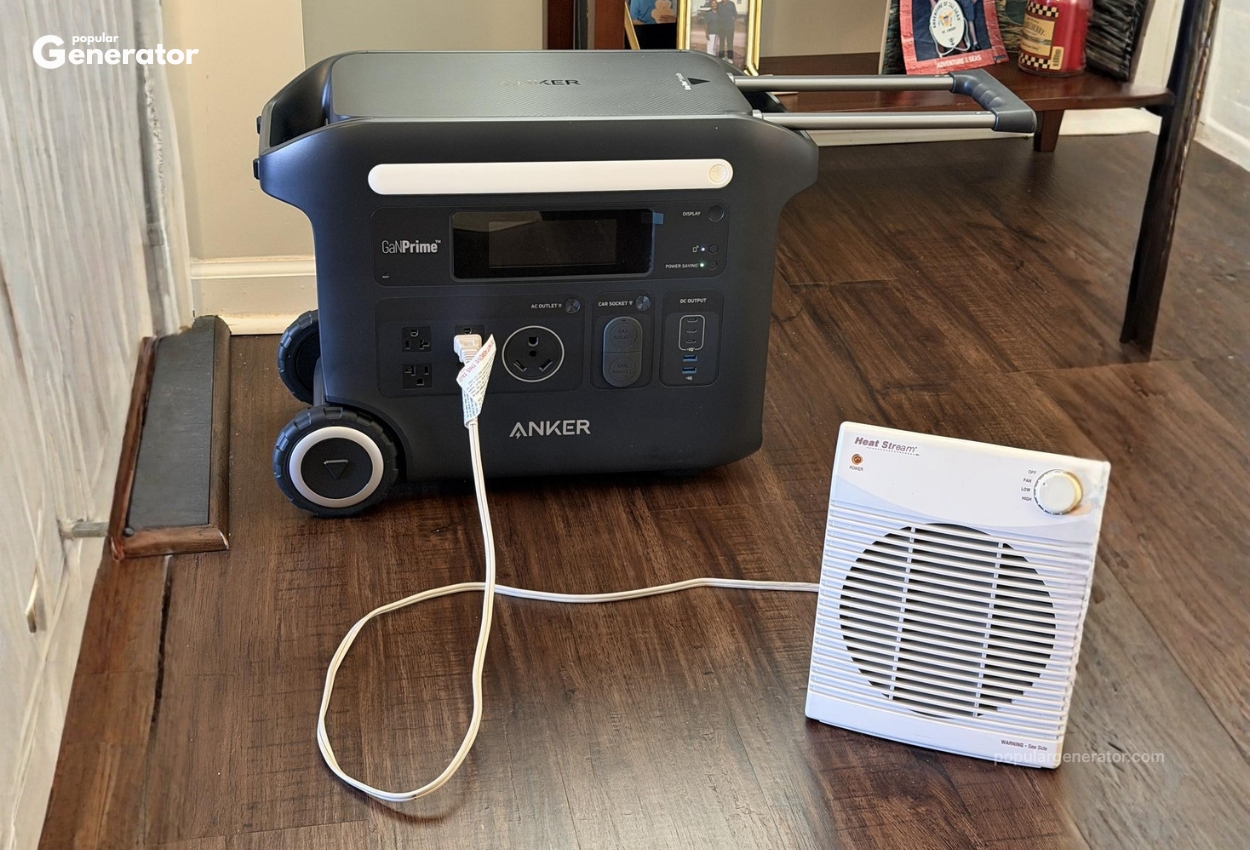
While they offer great value, solar generators under $500 do have some limitations. Most units are designed for low-power electronics, so they cannot handle high-wattage appliances such as microwaves, coffee makers, space heaters, or large refrigerators.
Charging speed can also be a factor. When using a typical 100W solar panel, it may take several hours of strong sunlight to fully recharge the battery. Additionally, some packages do not include solar panels, meaning you may need to purchase them separately to create a complete solar setup.
In-Depth Review of the Best Solar Generators Under $500
Best Overall
For a solar generator under the $500 range, the EF ECOFLOW Portable RIVER 2 Pro Solar Power Station feels surprisingly capable once you actually start using it. The unit packs a 768Wh LiFePO4 battery, which in real use gives enough power to run multiple everyday devices at the same time.
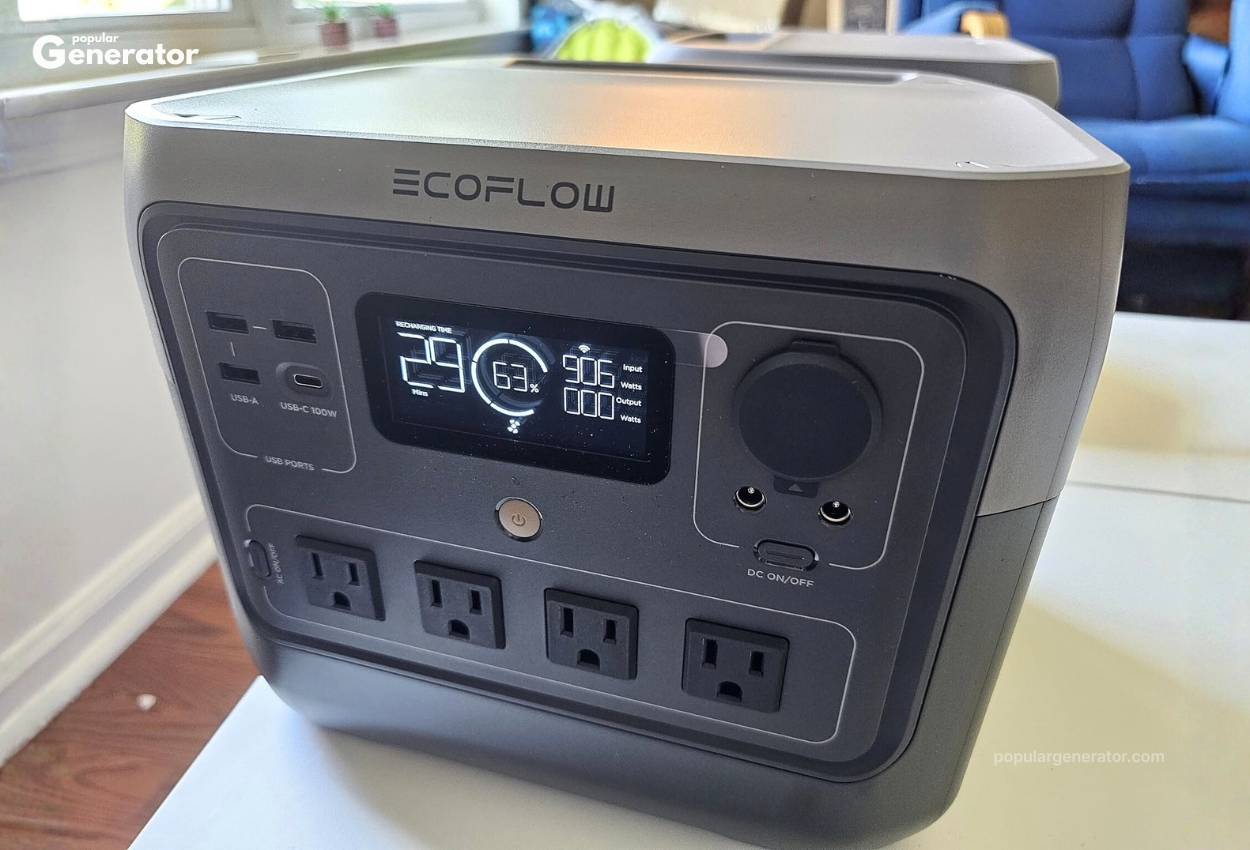
It can easily keep a mini fridge running for about 10–12 hours, while still leaving enough capacity to charge a laptop several times or keep lights on through the evening.
I’ve also used similar capacity stations to power a CPAP machine overnight or charge phones and tablets for several days during a camping trip, which is exactly the type of flexibility people look for in this price range.
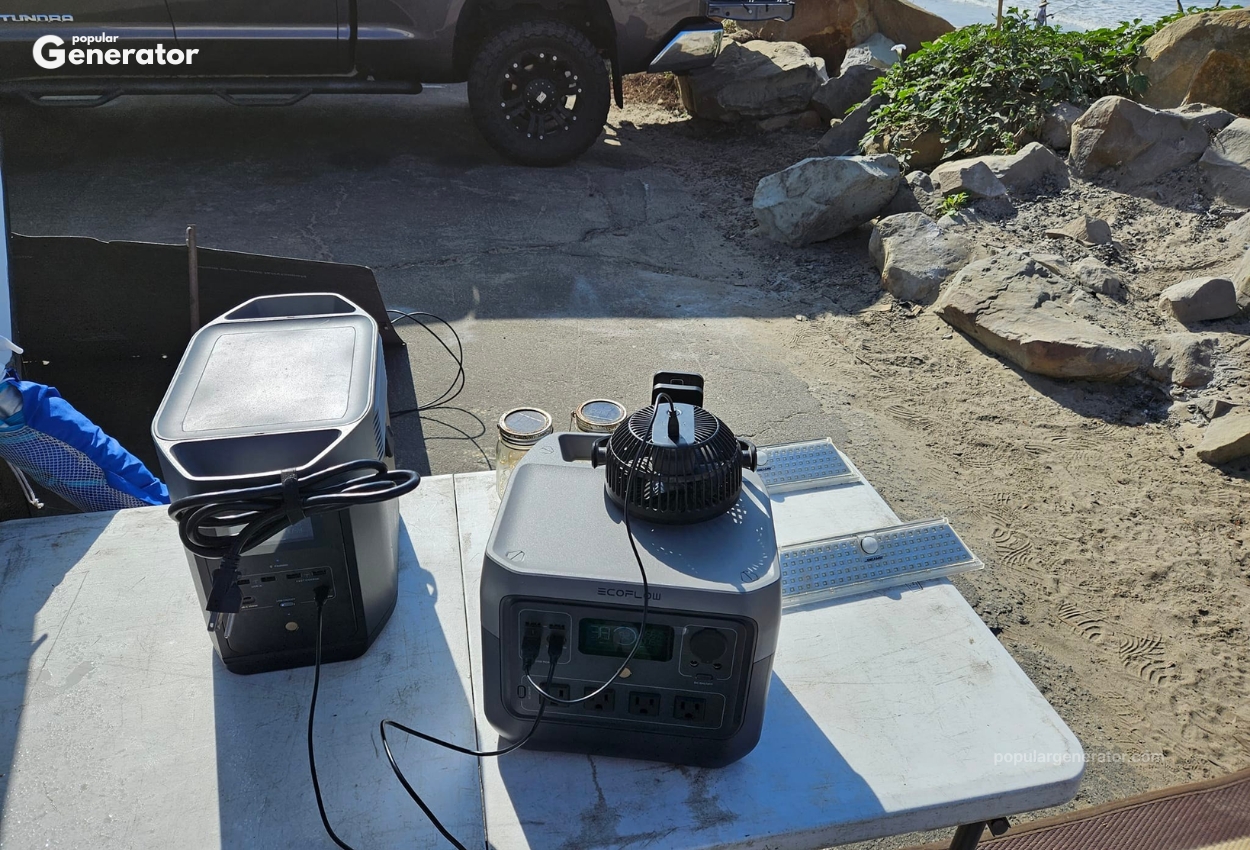
One thing that makes this model stand out is its 800W inverter output with X-Boost up to 1600W. In practical terms, that means it can handle more demanding appliances than most small solar generators. Devices like coffee makers, electric kettles, or small cooking appliances can run for short periods without tripping the system. Because it’s an inverter power station, the electricity is clean and stable, so charging laptops, cameras, drones, or other sensitive electronics is completely safe.
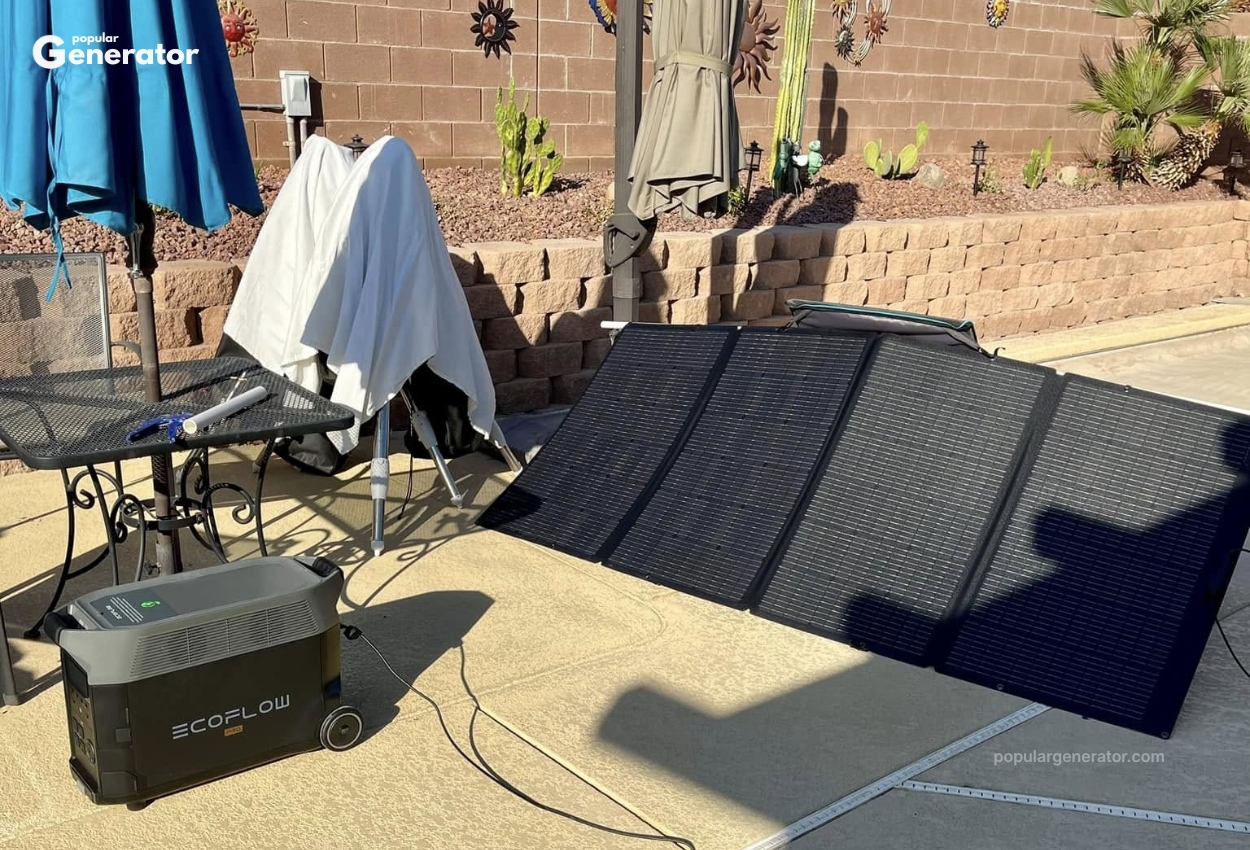
Solar charging is where this unit also performs well compared to many budget options. With solar input around 220W, pairing it with a decent panel on a sunny day can recharge the battery in roughly 4–6 hours of good sunlight. That’s actually fast enough to realistically use solar as your main power source on longer camping trips or during light off-grid use.
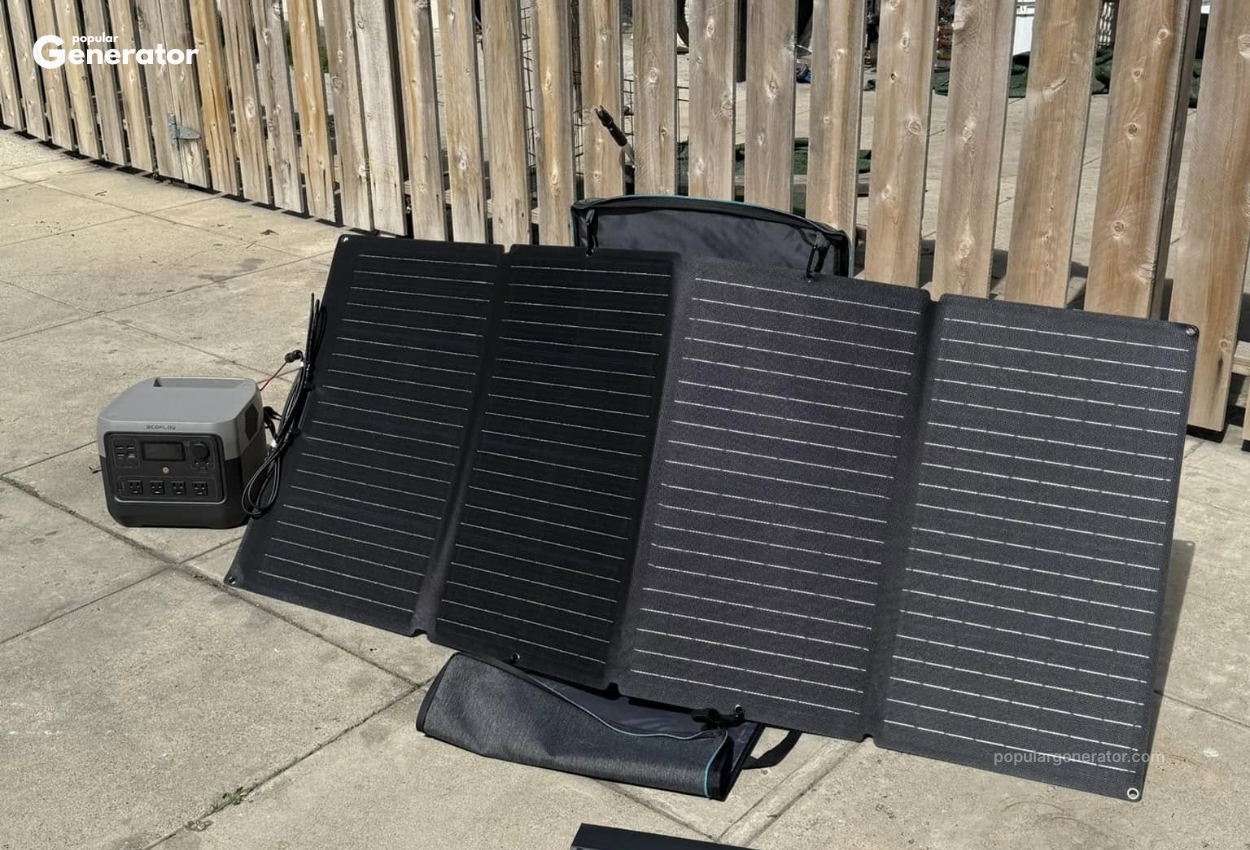
Considering the battery size, inverter power, and solar performance, the EF ECOFLOW Portable RIVER 2 Pro gives you a lot of capability for something that still fits within the under-$500 category when on sale.
Best Feature-Rich Budget

The BLUETTI EB3A Portable Power Station 268Wh Solar Generator is one of those small solar generators that feels surprisingly advanced for its size. It uses a 268Wh LiFePO4 battery, which might not sound huge on paper, but in real situations it covers a lot of daily needs. A battery this size can typically charge a smartphone 20–25 times, run a laptop for 4–5 charges, or power LED lighting and small electronics for an entire evening.
Where this model really stands out is the number of features packed into a small and affordable unit. It has 600W inverter output with a 1200W surge, which is strong enough for small appliances like a fan, projector, or compact coffee maker. For camping trips or emergency kits, that extra power makes it more versatile than many generators in the same price range.
Solar charging also works quite well here. The EB3A supports up to 200W solar input, and in good sunlight you can realistically refill the battery in about 3–4 hours with a suitable panel. For a unit under $500, that kind of recharge speed makes solar actually useful instead of just a backup option.
Best Small Portable

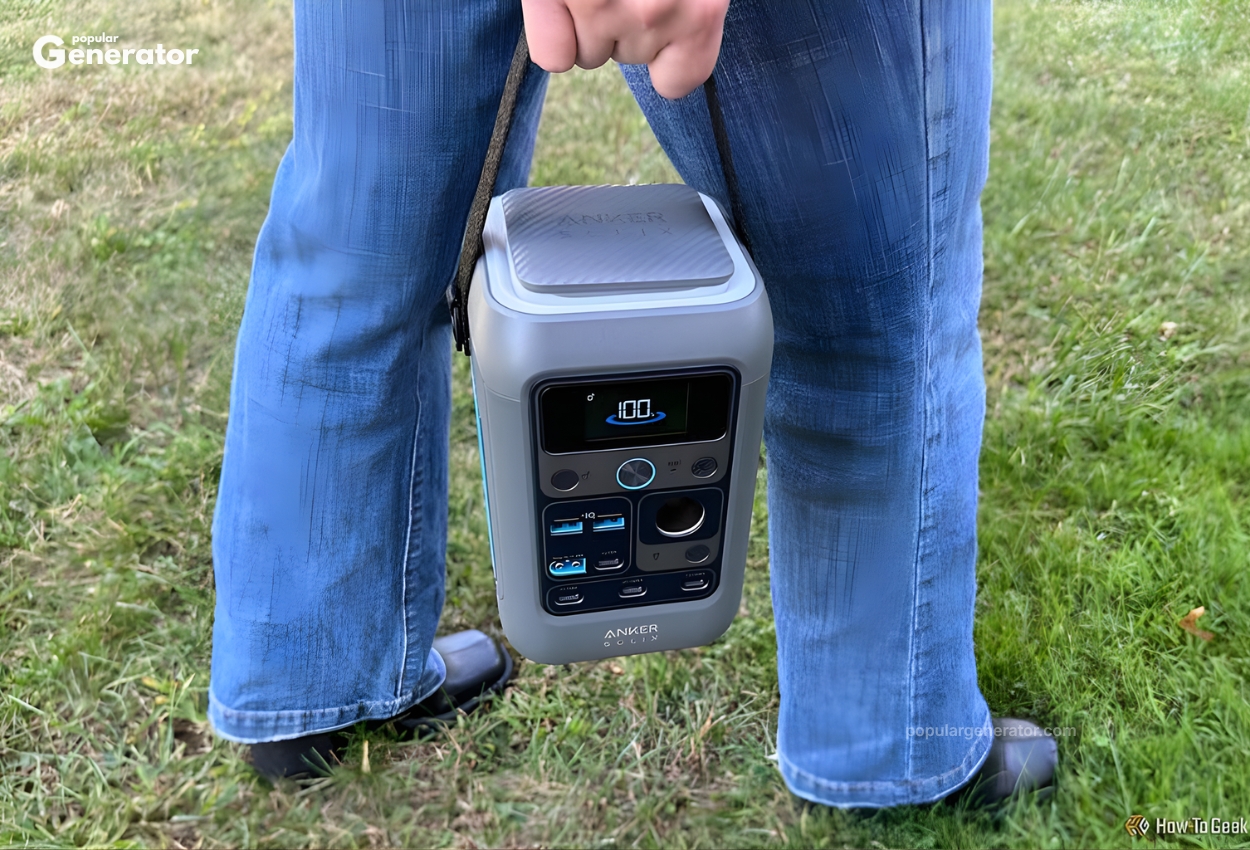
If portability matters more than raw capacity, the Anker SOLIX C300 DC is one of the most compact solar generators that still feels practical to use. It carries a 288Wh LiFePO4 battery, which works well for powering small devices throughout a day outdoors or during short outages.

In everyday use, that capacity is enough to charge a laptop about 4–5 times or run a small portable fan for 6–8 hours, which makes it useful for camping, road trips, or keeping emergency devices powered. The inverter output sits around 300W, so it’s clearly aimed at electronics and small appliances rather than heavy loads.
Solar charging is relatively straightforward with this size power station.
Pairing it with a 100W solar panel can recharge the battery in roughly 4–5 hours of decent sunlight, which is actually quite practical for outdoor use. Because the unit is lightweight and compact, it’s easy to move around camp or keep in a vehicle without taking up much space.
Best Portable Reliability

The Jackery Explorer 300 Portable Power Station has been around for a while, and it’s still one of the most widely used small solar generators for a reason. With a 293Wh lithium battery and 300W inverter output, it hits a good balance between portability and everyday usability.
In real-world situations, this generator can power small electronics for long periods. For example, it can keep a laptop running for about 5 hours continuously, recharge a phone dozens of times, or run a portable cooler for part of the day. It’s not designed for heavy appliances, but for travel, camping, and emergency charging it does exactly what most people need.
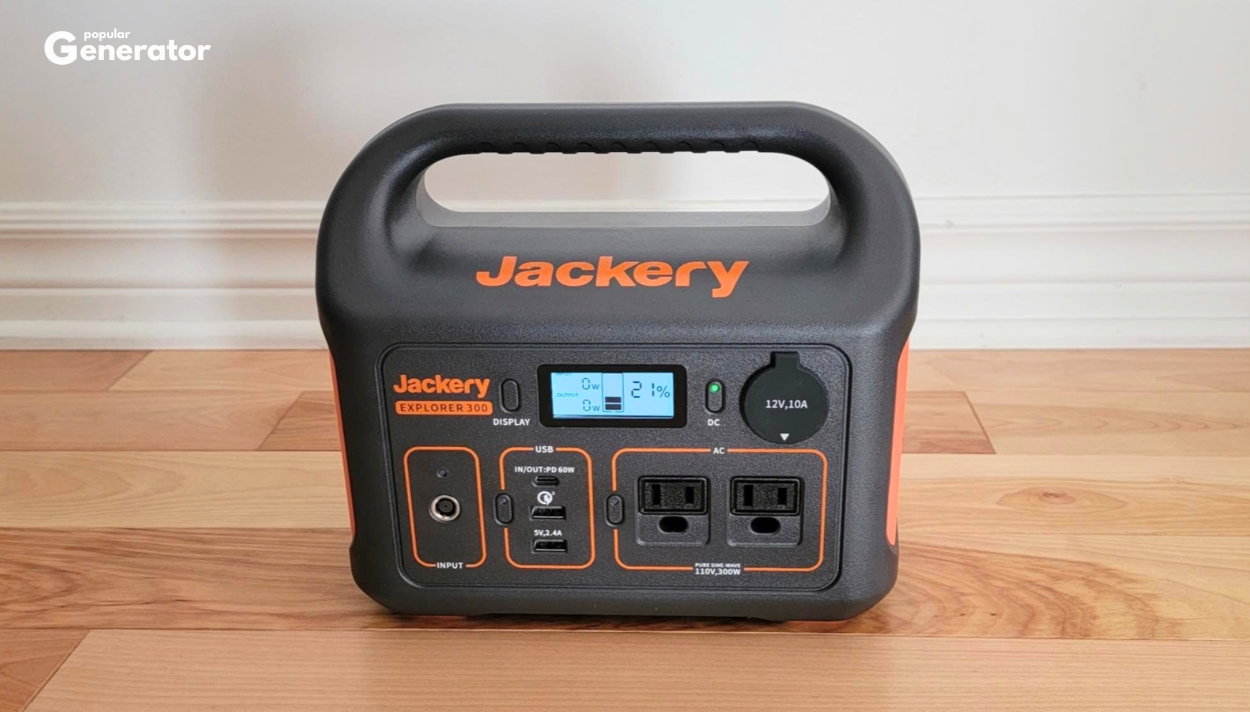
Solar charging is also simple with this model. Using a 100W solar panel, the battery usually fills up in around 5–6 hours of sunlight, which is good enough for maintaining power during longer outdoor trips. The system is simple, reliable, and easy to set up, which is why many people still choose it for portable solar setups.
Best Budget Option

For people on a very tight budget, the MARBERO 88Wh power station is one of the cheapest ways to get into portable solar power. The 88Wh battery capacity is small, but it still covers the basics like charging phones, small lights, radios, and other emergency devices.
In practical terms, this unit can charge a smartphone around 6–8 times or run a small LED lamp for an entire night. It’s not meant to power large appliances, but for emergency kits, camping gear, or backup charging during short outages it can still be useful.
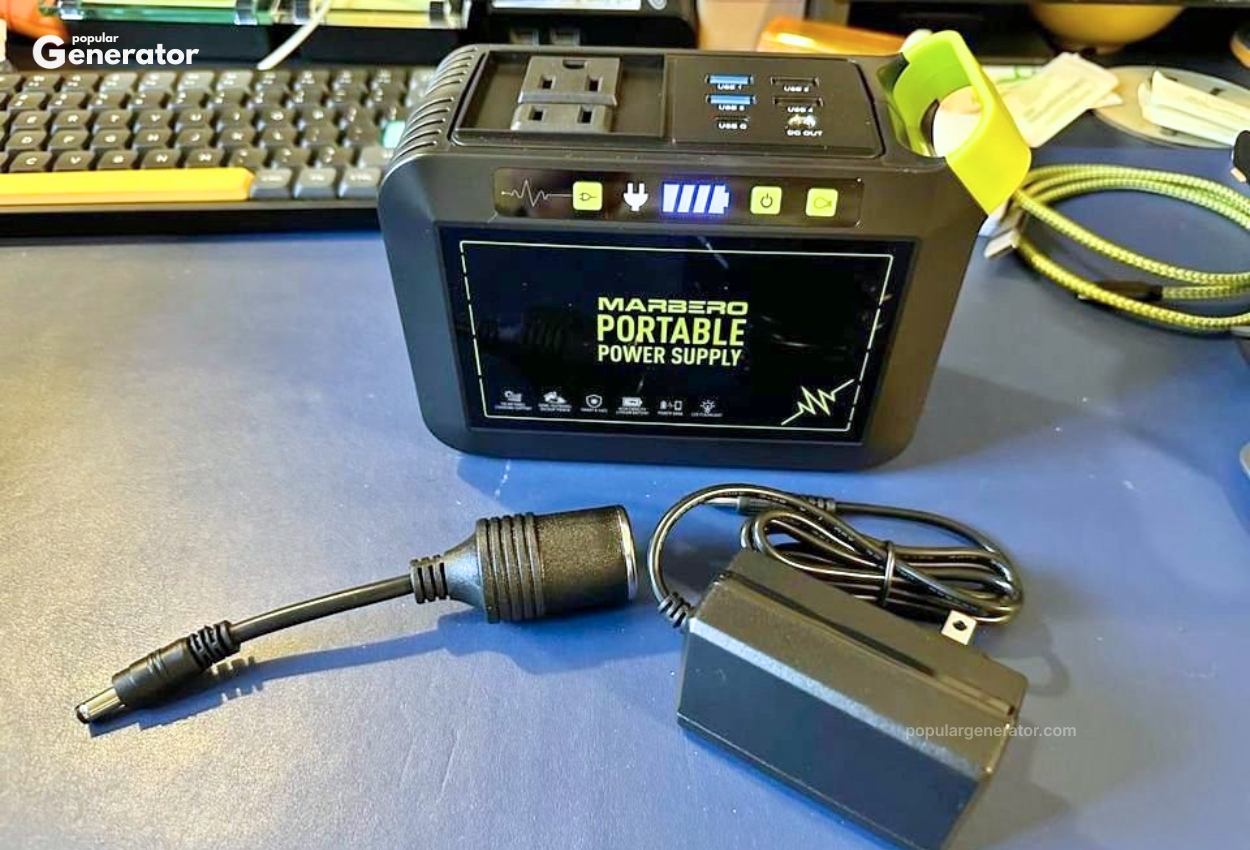
Solar charging is slower simply because the battery is small and the solar input is limited. With a 40–60W panel, you can usually recharge the battery in around 4–6 hours of good sunlight. For something in the ultra-budget category, it does exactly what it’s meant to do: provide simple portable power without costing much.
Best Value / High Power Option
Even though the Jackery Explorer 1000 v2 usually sits above the typical $500 range, it often appears in sales close to that price point, which makes it one of the best value upgrades if you can stretch the budget slightly. The unit carries a 1070Wh LiFePO4 battery, which is a major step up compared to most small solar generators.
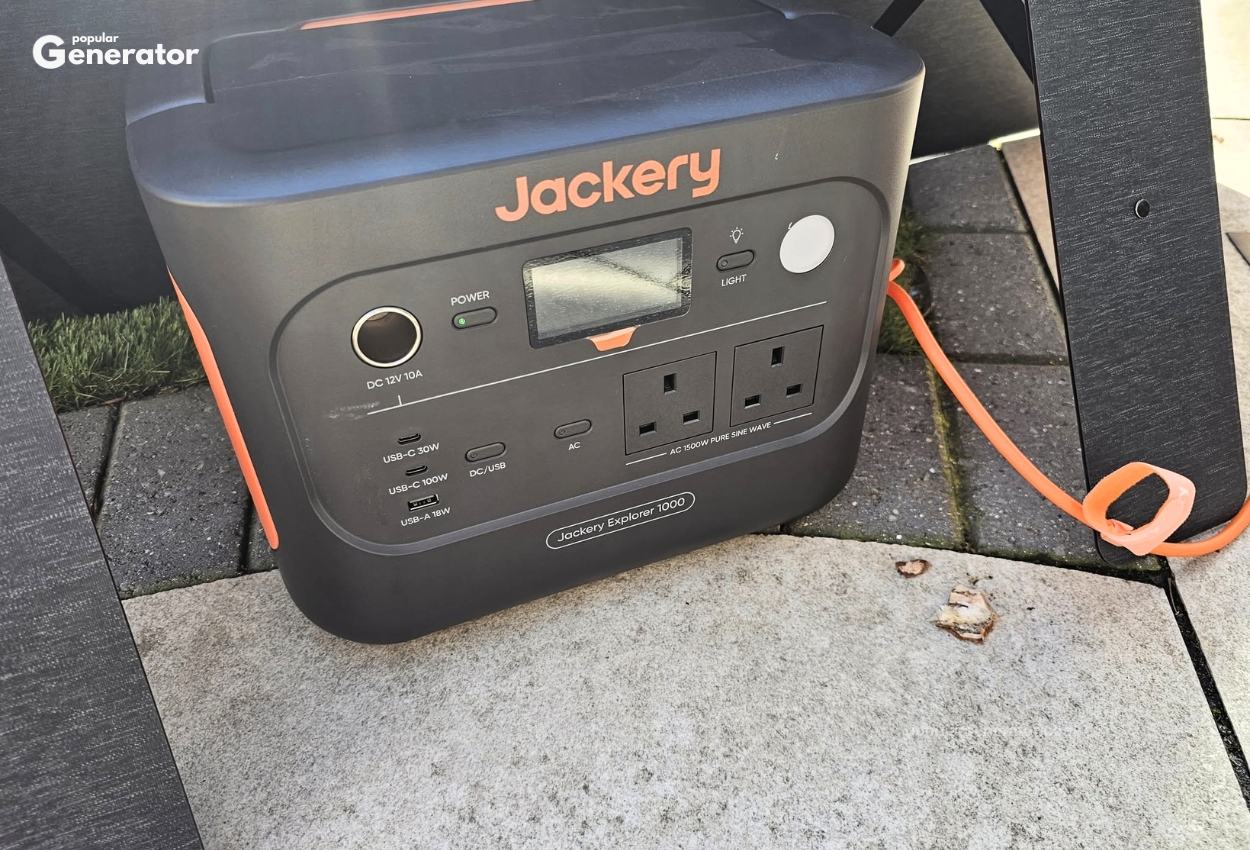
With 1500W inverter output, this system can run much larger appliances. In real situations, it can power a full-size refrigerator for 7–10 hours, run a coffee maker, charge multiple laptops, and still keep lights on in a small campsite or cabin setup. That level of power makes it much more versatile than the smaller generators on this list.
Solar charging also scales well with this system. When paired with 200W to 400W of solar panels, the battery can realistically recharge in 4–6 hours of strong sunlight, making it viable for extended off-grid use.
For users who want a solar generator that can actually power multiple appliances instead of just charging devices, this model offers one of the best performance levels in its price class.
What Can a Solar Generator Under $500 Power?
Solar generators under $500 are designed primarily for small electronics and low-wattage appliances rather than heavy household equipment. Most models in this price range provide around 300W–600W of continuous output and roughly 400Wh–500Wh of battery capacity, which is enough to keep essential devices running during camping trips, outdoor activities, or short power outages.
Because of their moderate output, these generators are ideal for powering everyday electronics, lighting, and a few small appliances at the same time, as long as the total power usage stays under about 500W.
1.) Charging everyday electronics
One of the most common uses for a solar generator under $500 is charging portable electronics. Devices like smartphones, laptops, tablets, and camera batteries require relatively little power, so a fully charged generator can recharge them multiple times.
Typical examples include:
- Smartphones: around 25–30+ charges
- Laptops: about 5–10 charges, depending on battery size
- Tablets, cameras, and drones: multiple charging cycles
This makes solar generators extremely useful for camping trips, remote work, travel, or content creation, where keeping devices powered is essential.
2.) Running lights and small appliances
Low-wattage appliances are another area where these generators perform well. Many outdoor or emergency devices consume very little electricity, allowing them to run for hours on a single charge.
- LED lights: can run for several days depending on brightness
- Portable fans: typically 10–15 hours of runtime
- Small camping lights or lanterns for overnight lighting
- Charging drone batteries or small tools
Because LED lights and fans use minimal power, they are among the most practical devices to run continuously on a small solar generator.
3.) Powering CPAP machines and medical devices
Many people also use portable solar generators as a backup power source for medical devices, especially CPAP machines. These machines generally consume 30W–60W, which falls well within the capacity of most generators under $500.
Depending on the battery capacity and settings used, a generator can typically power a CPAP machine for one or two nights, making it useful for both camping and emergency backup situations.
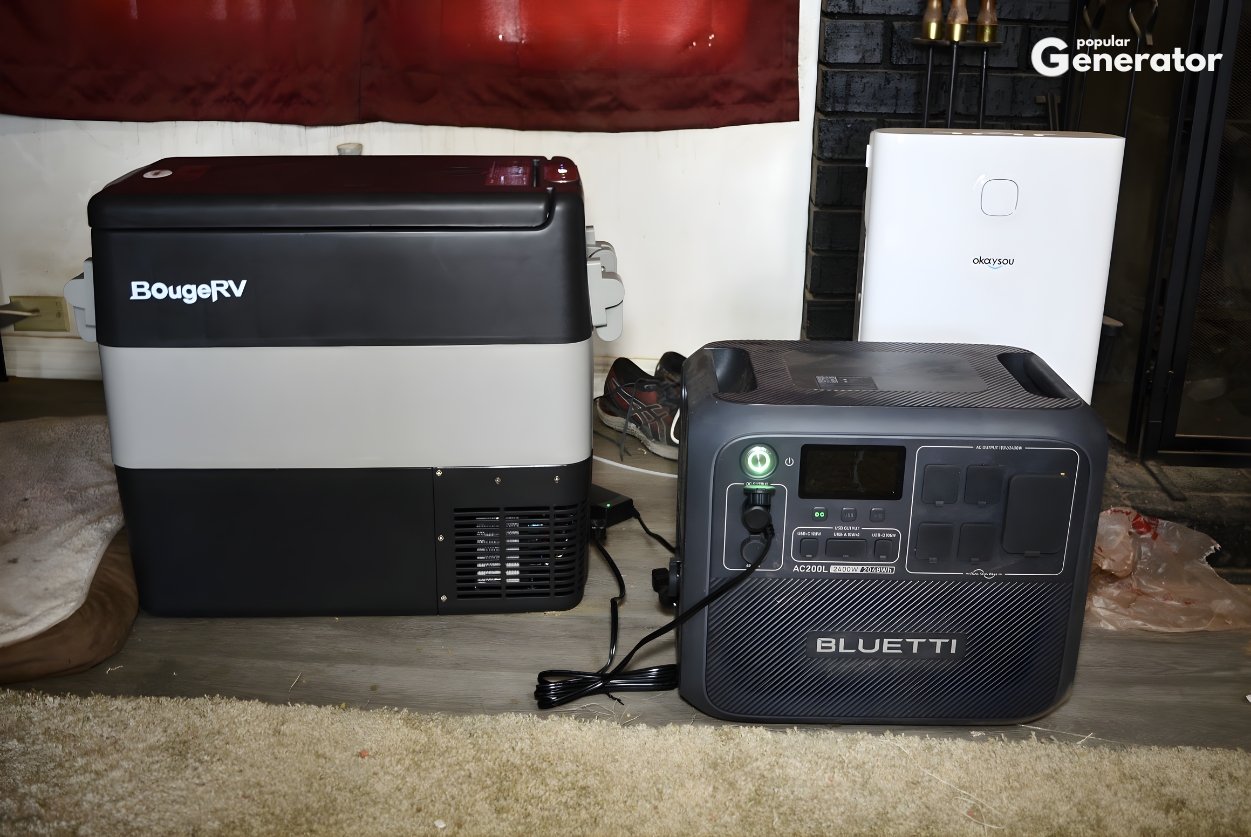
4.) Running a portable car fridge
Some generators in this price range can also power small portable refrigerators or car fridges, which are commonly used in camping or road trips.
A compact 12V portable fridge usually consumes 40W–60W, meaning a 500Wh generator can keep it running for roughly 5 to 10 hours, depending on compressor cycles and temperature settings.
This makes solar generators useful for keeping drinks, food, or medicine cool during outdoor trips.
5.) Powering multiple devices at once
Another advantage of modern portable power stations is that they include multiple output ports, such as AC outlets, USB ports, and DC outputs. This allows you to run several devices at the same time.
For example, a solar generator under $500 could power:
- A laptop
- Two smartphones
- An LED lantern
- A small fan
…all simultaneously, as long as the combined power draw stays below the generator’s output limit (usually around 500W).
Key Things to Look for in a Solar Generator Under $500
If you’re planning to buy a solar generator under $500, it’s important to focus on the features that deliver the most value and reliability in this price range. While budget models may not match high-end power stations, choosing the right specifications can ensure you still get solid performance for camping, travel, and emergency backup.
Battery type (LiFePO4 vs Lithium-ion)
One of the most important features to check is the battery chemistry used in the generator. Many modern power stations now use LiFePO4 (Lithium Iron Phosphate) batteries, which are known for their safety, stability, and long lifespan.
Compared to traditional lithium-ion batteries, LiFePO4 batteries can typically last 3,000 or more charge cycles before dropping to around 80% capacity. This means the generator can remain reliable for many years, even with regular use.
If possible, choosing a LiFePO4 battery model is usually the best long-term investment, especially if you plan to use the generator frequently for camping or emergency backup.
Battery capacity (Wh)
Battery capacity, measured in watt-hours (Wh), determines how much energy the generator can store. In the sub-$500 category, most solar generators offer capacities between 500Wh and 800Wh, although smaller portable units may fall below that range.
A generator in the 500Wh–700Wh range is typically enough to power devices like:
- Laptops and smartphones
- LED lighting
- Portable fans
- Small camping appliances
- CPAP machines
Larger capacities allow the generator to run devices longer or power multiple electronics at the same time.
Inverter output power (Watts)
The inverter output determines what types of devices the generator can run. For a solar generator under $500, it’s best to look for models that provide at least 500W to 600W of continuous AC output, with higher surge power for starting certain appliances.
Charging speed
Charging speed is another key feature that many buyers overlook. During emergencies or short outdoor trips, the ability to recharge quickly can make a big difference.
Some newer models offer fast AC charging that can reach 80% battery in about an hour, which is extremely convenient when you need power quickly. Faster charging also means you can top up the battery between activities or before heading out on a trip.
Solar input capacity
Since these are solar generators, the solar charging capability is also important. Look for units that support higher solar input, typically between 200W and 400W, which allows the battery to recharge more efficiently in sunlight.
A higher solar input means:
- Faster daytime charging
- Better off-grid performance
- More reliable power during extended outdoor trips
Keep in mind that solar panels are often sold separately, so they may need to be purchased as an additional accessory.
Ports and connectivity
A good solar generator should also provide a variety of output ports so you can power different devices at the same time. Useful port options include:
- AC outlets for household electronics
- USB-A and USB-C ports for phones and tablets
- USB-C PD ports for fast laptop charging
- 12V car ports for portable refrigerators or travel accessories
Having multiple ports makes the generator far more versatile, especially when powering several devices during camping trips or emergencies.
Solar Generator vs Gas Generator for Camping
When choosing a power source for camping, many people compare solar generators and traditional gas generators. Both options provide portable electricity, but they serve very different purposes depending on how much power you need and the type of camping experience you want.
In general, solar generators are better for quiet, eco-friendly camping, while gas generators are designed for high-power, heavy-duty use where large appliances need to run for long periods.
| Feature | Solar Generator | Gas Generator |
|---|---|---|
| Noise | Nearly silent | Loud engine noise |
| Maintenance | Minimal | Requires fuel and oil changes |
| Environment | Zero emissions | Produces exhaust fumes |
| Power Capacity | Best for small devices | Can power large appliances |
| Runtime | Limited by battery | Unlimited with fuel |
Which one is better for camping?
For most casual camping situations, solar generators are the better choice because they are quiet, portable, and easy to use. They provide enough power for essential electronics while maintaining a peaceful outdoor environment.
However, if you need to run large appliances or high-wattage equipment for long periods, a gas generator may still be necessary.
In short:
- Choose solar generators for quiet camping, electronics, and eco-friendly power.
- Choose gas generators if you need maximum power and long runtime for heavy-duty equipment.
FAQ: Solar Generators Under $500
Q: What is the best solar generator under $500 for camping?
For under $500, the Anker SOLIX C300 is top-rated for portability, and the Oupes 600W or EcoFlow River 2 series offer great value and power for camping. These systems efficiently charge phones, fans, and laptops. For better deals, consider refurbished units from brands like EcoFlow or Bluetti to maximize capacity.
Q: How much battery capacity should I look for under $500?
For a smartphone under $500, you should look for a battery capacity of 5,000mAh, which provides roughly 5–8 hours of continuous, heavy usage. This capacity is standard for modern, mid-range phones, ensuring all-day battery life for average users.
Q: Can you use this solar generator during a power outage?
Yes, a solar generator under $500 can be effectively used during a power outage to power essential small electronics and appliances for 1–2 days.
These portable, indoor-safe units, such as the Jackery 1000 v2 or EcoFlow River 2 Pro, typically have capacities between 700WWh and 1100Wh. They are ideal for running laptops, phones, LED lights, small fans, and CPAP machines.
Q: Do solar generators work without solar panels?
Yes, solar generators (portable power stations) work perfectly well without solar panels. They are essentially battery-powered generators that store energy, which can be charged via AC wall outlets, car chargers, or USB-C, making them effective for backup power, camping, or emergencies even if you never use solar panels.
Q: How portable are solar generators in this price range?
Most solar generators under $500 are designed to be compact and travel-friendly, typically weighing between 7 and 20 pounds. This makes them easy to carry for camping trips, road travel, tailgating, or outdoor work setups where a lightweight power source is needed.


Write Your Review
No reviews yet. Be the first to share your experience!