

Buying a generator isn’t just about picking the biggest wattage or the lowest price tag. When the power goes out, you need a machine that starts reliably, handles real-world loads without struggling, and runs efficiently without burning through fuel. Different situations call for different types of generators, whether you’re backing up your home, powering a jobsite, or running sensitive electronics that demand clean power.
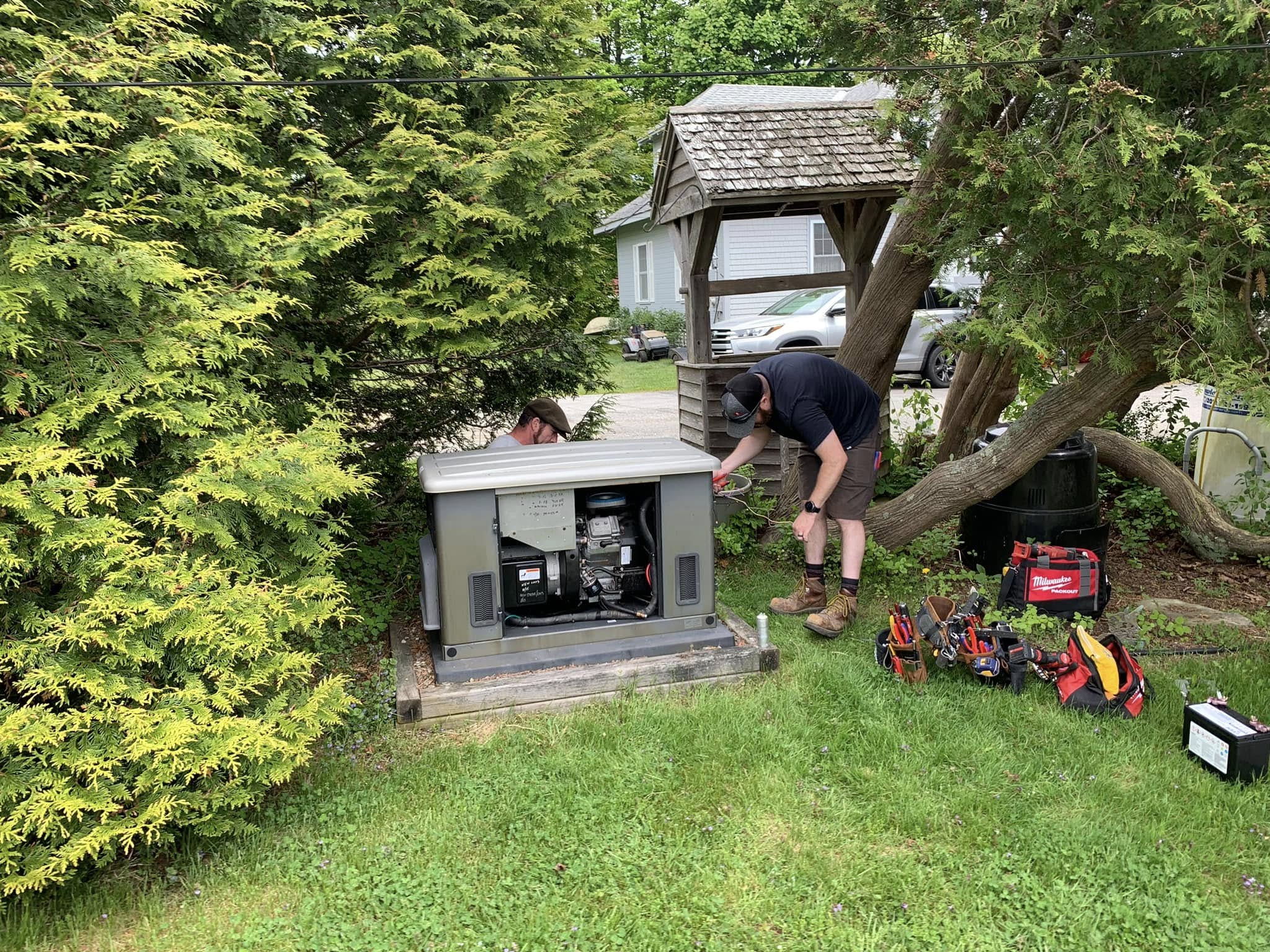
Top-rated generators for 2026 include the Generac XT8500EFI (best portable)Honda EU2200i (best inverter and quiet), and EcoFlow DELTA Pro 3 (best solar).
Key choices depend on needs: Westinghouse offers top budget/dual-fuel options, while Goal Zero is ideal for camping.
In this guide, we break down the best generators in each category based on durability, real performance, noise levels, and overall value, so you can choose with confidence instead of guesswork.


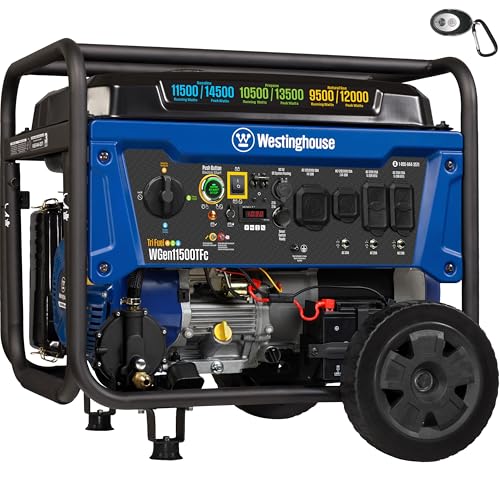


Top Generator Recommendations
- Best Overall Portable Generator: Generac XT8500EFI (high power, 8500W).
- Best Inverter Generator (Quiet/Sensitive Electronics): Honda EU2200i (48-57 dB).
- Best Midsize Inverter: Westinghouse iGen series.
- Best Solar Generator: EcoFlow DELTA Pro 3 (4,096 Wh) or Goal Zero Yeti 1000 Core.
- Best Budget: Champion Power Equipment.
Best Overall Portable Generator: Generac XT8500EFI
If your goal is serious backup power, this is the kind of machine you buy.
The XT8500EFI delivers 8,500 running watts, which means you’re not just powering lights and a fridge. You can realistically run a central AC (smaller unit), sump pump, refrigerator, microwave, and still have room for other essentials if you manage loads properly.
The big advantage here is the electronic fuel injection. EFI makes cold starts easier and keeps the engine running smoother across temperature swings. In real-world use, that matters more than people think. Carbureted generators can get finicky if they sit for a while. EFI reduces that headache.
Now, let’s be honest. It’s not quiet. This is not something you run outside your bedroom window and forget about. It’s a traditional open-frame generator with a strong engine. It makes noise. That’s the tradeoff for high output.
Fuel consumption is what you’d expect for this size, reasonable under partial load, thirsty under heavy load. But that’s physics. You don’t get 8,500 watts for free.
If you want whole-house emergency capability without stepping into standby generator pricing, this is a serious workhorse.
Best Quiet Inverter Generator: Honda EU2200i
This one has earned its reputation the hard way by just working, year after year.
The EU2200i is rated at 2,200 watts peak, which tells you right away: this is not for running your entire house. But for sensitive electronics, RV use, tailgating, or small emergency loads, it’s hard to beat.
What stands out most is the sound level. At light loads, it’s impressively quiet. You can hold a conversation standing next to it. That matters if you’re camping, in an RV park, or just don’t want to annoy the neighbors during an outage.
The inverter technology produces clean sine wave power. That means laptops, TVs, gaming consoles, and battery chargers run safely without the voltage fluctuations you sometimes see from conventional generators.
Here’s the downside: price per watt is high. You’re paying for reliability, engineering, and long-term durability. But in fairness, Honda engines have a track record. If maintained properly, they last.
If you need quiet, stable, dependable power and you don’t need high wattag this is one of the safest bets you can make.
Best Midsize Inverter: Westinghouse iGen Series
Westinghouse found a good middle ground with the iGen lineup.
Models like the iGen4500 give you enough power to comfortably run a refrigerator, lights, TV, and even a small window AC, while still keeping noise levels reasonable. It’s not as whisper-quiet as the Honda under light load, but it’s respectable for the output.
The value factor is strong here. You’re getting inverter technology and decent wattage without premium-brand pricing.
In practical use, these units are well suited for homeowners who want backup power but don’t need full-house capability. They’re also popular with RV owners who want something stronger than a 2,000-watt unit.
It’s not built like a commercial jobsite generator, but for residential use and occasional outages, it performs reliably.
Best Solar Generator: EcoFlow DELTA Pro 3
Alternative: Goal Zero Yeti 1000 Core
These are a different category altogether. No gasoline. No oil changes. No exhaust.
The EcoFlow DELTA Pro 3 offers around 4,096Wh of battery capacity. That’s enough to run a refrigerator for many hours, power lights, charge devices, and keep essential electronics alive during an outage. It’s silent. You can run it indoors safely.
But here’s the reality: once the battery is drained, you have to recharge it. If the grid is down for days, you’ll need solar panels or another charging source. This isn’t unlimited power.
The Goal Zero Yeti 1000 Core is smaller, lighter, and more affordable. It’s great for charging devices, running small appliances, or short-term backup. It’s not designed for heavy loads like large AC units.
These power stations are ideal for people who want clean, quiet backup for essentials. They’re not replacements for high-output gas generators if you need serious wattage for long outages.
Best Budget / Reliable Option: Champion Power Equipment
Champion has built a strong reputation by offering solid generators at reasonable prices.
You’ll find both conventional and inverter models in their lineup. They may not have the polish of Honda or the brand recognition of Generac, but they consistently deliver practical performance for the money.
In real-world usage, Champion generators start reliably and handle typical household loads without drama. Noise levels vary by model, and the open-frame units are what you’d expect, not quiet, but effective.
For buyers who want dependable power without stretching the budget, Champion hits a sensible balance between cost and performance.
How to Choose the Right Generator for Your Situation
Most buying mistakes happen because people choose based on brand hype or wattage alone. That’s backwards.
You start with your actual needs. Then you match the generator to the job.
Let’s break it down the way it should be done.
1. Know Your Power Needs
Start with what you truly need to run.
- Fridge, lights, WiFi → 2,000 to 3,000 watts
- Fridge, microwave, sump pump → 4,000 to 5,000 watts
- Central AC and multiple appliances → 7,500 watts or more
Don’t guess. Add up running watts and allow extra for startup surge.
2. Inverter or Conventional
Conventional generators give you more power per dollar but are louder.
Inverter generators are quieter, more fuel efficient at light loads, and safer for electronics.
If you’re powering laptops, TVs, or RV equipment, inverter models make more sense.
3. Fuel and Runtime
Gas generators can run as long as you have fuel.
Battery power stations are silent and maintenance free but limited by capacity.
Short outage → battery can work well.
Multi day blackout → fuel powered units are more practical.
4. Noise Matters More Than You Think
Open frame units are loud. That’s just reality.
If you have close neighbors or plan to camp, choose an inverter model.
Frequently Asked Questions About Generators in 2026
Q: What type of generator is best for frequent power outages at home?
If your home loses power often, a conventional portable generator with high wattage (5,000–10,000W) is usually the most reliable. It gives you enough power to run essential appliances like refrigerator, sump pump, furnace fan, and even air conditioning together when needed.
If noise is a concern and your electrical needs are moderate, a midsize inverter generator can be a better balance of quiet operation and usable output.
Q: What’s the best generator for sensitive electronics like TVs and computers?
The best generators for sensitive electronics like TVs and computers are inverter generators, which produce clean, stable power (pure sine wave) with low Total Harmonic Distortion (THD < 3%) to prevent damage. Top brands include HondaBriggs & StrattonYamaha, and Champion, offering quiet, fuel-efficient operation.
- Best Overall: Honda EU2200i or Honda EU7000is
- Best Budget Option: Champion Power Equipment 200951 (or similar Dual Fuel)
- Best Portable Power Station: Jackery Solar Generator 2000 Pro
Q: Do inverter generators work well for RVs and camping?
Yes. Inverter generators are usually lighter, quieter, and safer for electronics, making them perfect for RV trips and camping. They are especially good for powering air conditioners in RVs that draw sensitive loads.
Q: What size generator do I need for my house?
Generator size for a house depends on needs: 3,000–5,000W for essentials (fridge, lights), 5,000–10,000W for medium homes (portable or standby), and 15,000–30,000W+ for whole-home standby. A 2,000 sq. ft. home typically needs 12,000–18,000W.
Recommended Sizes by Home Type:
- Small (1-2 bedrooms): 5,000–8,000 watts.
- Medium (3-4 bedrooms): 9,000–14,000 watts.
- Large (5+ bedrooms): 13,000–20,000+ watts.
Q: Is it worth buying a solar generator / power station instead of a gas generator?
Solar generators (power stations) are worth it for quiet, low-maintenance, emission-free power, ideal for camping or light home backup. Gas generators are better for high-power needs, long runtimes, and lower upfront costs. Choose solar for sustainability/convenience, or gas for heavy-duty, budget-conscious reliability.


Write Your Review
No reviews yet. Be the first to share your experience!