

If you’re working with a budget of $500 or less, you still have several surprisingly capable options. In this price range, you’ll mostly find compact inverter generators, lightweight conventional generators, and portable power stations that are designed for basic power needs rather than running an entire house.


Our Top – Rated Portable Generators Under $500
- Best Overall: WEN 56360i 3600-Watt Portable Inverter Generator
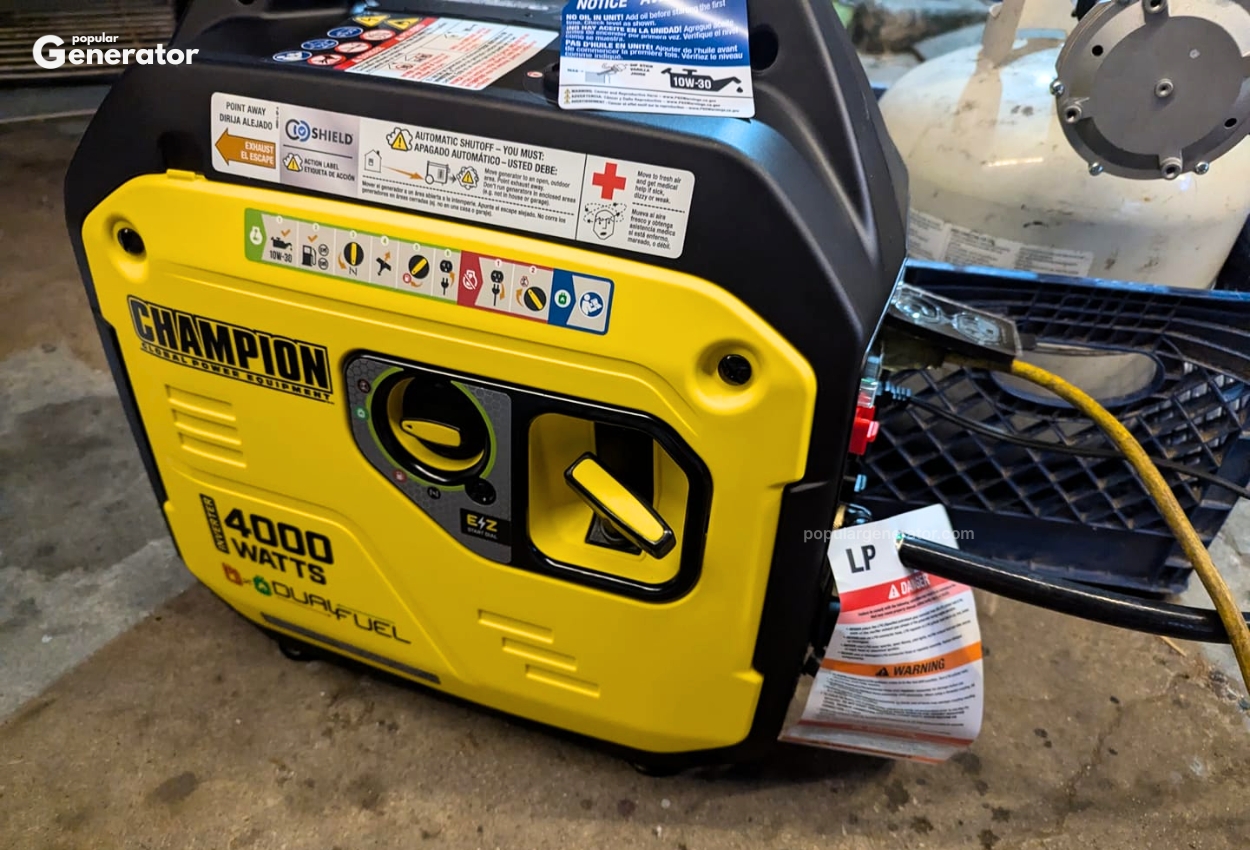
- Best High-Power: Pulsar PGD40ISCO Ultra Light 4000W Portable Generator
- Best RV-Ready: Champion 4000-Watt RV Ready Portable Generator
- Best Durable: Briggs & Stratton 30747 Portable Generator
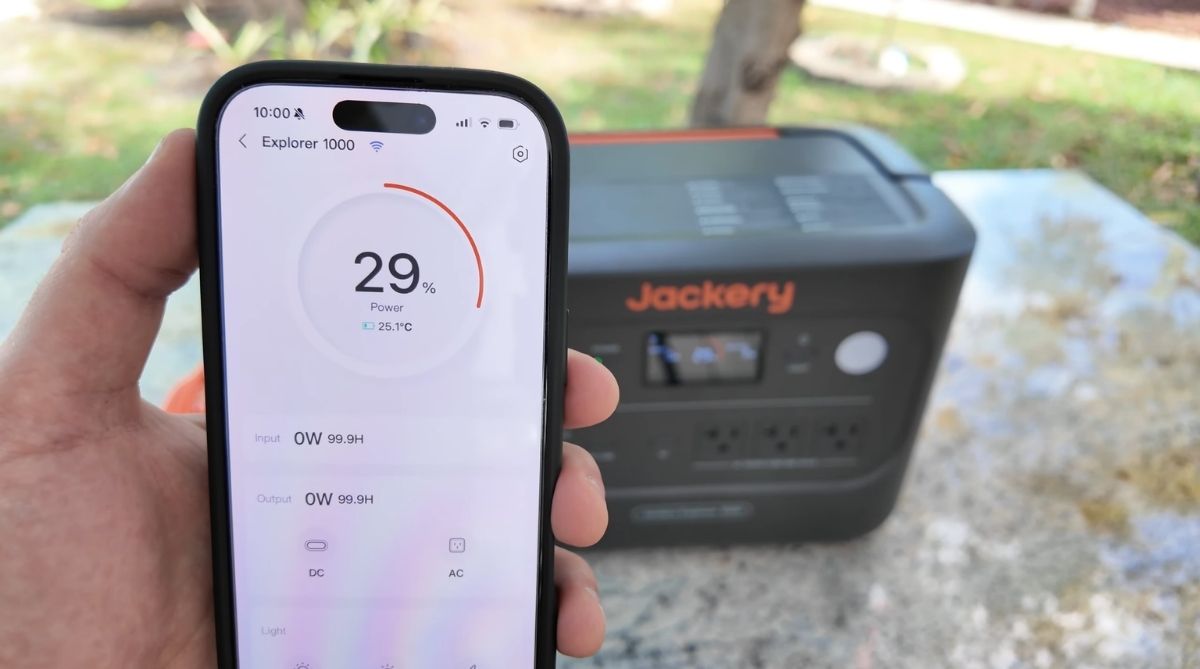
- Best Portable: Jackery Explorer 1000 v2 Power Station
- Best Fast-Charging: EcoFlow River 2 Pro Power Station
- Best Compact: Anker SOLIX C800X Outdoor Power Station
Some models focus on quiet operation and clean power for electronics, which makes them great for camping, RV trips, or tailgating. Others lean toward higher starting wattage, giving you enough muscle to run tools, small appliances, or emergency essentials during a short outage. And then there are portable power stations, which offer silent operation and fast charging for people who prefer battery-based power instead of gasoline.
What to Expect from a Generator Under $500
If you’re shopping for a portable generator under $500, most options will fall into the small inverter generator category, usually delivering around 2,000 to 2,500 running watts.
That level of power is typically enough to run basic essentials during a power outage or while camping.
For example, a generator in this range can often handle:
- Refrigerator
- Lights
- Phone chargers
- TV
- Small coffee maker
But it won’t be powerful enough for heavy appliances like central air conditioning, electric water heaters, or large ovens.
One advantage of many generators in this price range is that they are inverter-style models, which are known for being quieter and more efficient than traditional open-frame generators.
- Most operate below 60 dB, which is about the level of normal conversation.
- Inverter generators also produce clean and stable electricity, making them safe for sensitive electronics such as laptops, phones, and other small devices.
In terms of design, generators under $500 are usually gasoline-powered portable units with pull-start systems. Some models may offer dual-fuel capability, allowing you to run either gasoline or propane, though gasoline-only models are more common in this price range.
Of course, there are a few limitations to keep in mind.
Generators under $500 are generally intended for light-duty use rather than continuous 24-hour operation. They are excellent for temporary backup power or outdoor use, but they typically don’t have the durability or output needed to power an entire home. Heavy appliances and large electrical loads will quickly exceed their capacity.
When choosing a generator in this price range, it’s a good idea to look at reputable entry-level brands such as:
They are known for offering solid performance at affordable prices. Prioritizing an inverter generator, checking the warranty, and performing simple maintenance like regular oil changes and using fuel stabilizer can also help ensure your generator runs reliably when you need it most.
In-Depth Reviews of the Best Portable Generators Under $500
Now let’s take a closer look at some of the best portable generators under $500.
1. Best Overall Inverter Generator
The WEN 56360i strikes a solid balance between power, portability, and price, which is why it often ends up as the best overall choice in the sub-$500 range. In real-world use, the 3,600 starting watts provide enough headroom to start appliances like a refrigerator while still powering smaller devices at the same time.
What stands out most is the inverter design, it runs noticeably quieter than many open-frame generators and delivers stable power that’s safe for electronics. It’s also fairly easy to move around thanks to the compact build and built-in handle, making it practical for camping, RV trips, or basic home backup.
2. Best High-Power Generator
If maximum output is your priority in this price range, the Pulsar PGD40ISCO is one of the stronger performers. With up to 4,000 starting watts, it offers a bit more headroom than many budget inverter generators, which can be useful when running multiple appliances during an outage.
Despite the higher output, the unit remains surprisingly lightweight for its class, making it easier to transport than many comparable generators.
In testing scenarios like powering a fridge, lights, and small kitchen appliances, it holds steady without feeling pushed to its limit.
3. Best RV-Ready Generator
Champion has a long reputation in the portable generator space, and the 4,000-watt RV-ready model is clearly designed with RV users in mind. The built-in TT-30R outlet means you can plug an RV directly into the generator without adapters, which simplifies setup when camping or traveling. Power output is strong enough to run common RV appliances like a microwave, small air conditioner, and chargers simultaneously.
It’s not the quietest option compared to inverter models, but for RV owners who need dependable power and simple connectivity, it gets the job done reliably.
4. Best Durable Conventional Generator
Briggs & Stratton has been building small engines for decades, and that experience shows in the overall durability of the 30747 portable generator. The construction feels rugged and straightforward, no unnecessary complexity, just a dependable engine and solid frame.
This type of generator tends to handle rough environments better than lightweight inverter models, which makes it a practical option for job sites or emergency home backup. While it may run louder than compact inverter units, the trade-off is a generator built to handle regular use without much fuss.
5. Best Portable Power Station
For people who want quiet, maintenance-free power, the Jackery Explorer 1000 v2 is a completely different approach compared to gas generators. As a battery-based power station, it runs silently and produces zero emissions, which makes it ideal for indoor use, camping, or RV travel.
The unit is compact enough to carry easily, yet the battery capacity is still large enough to keep essentials like phones, laptops, lights, and even small appliances running for hours. It also pairs well with solar panels for recharging off-grid, which adds a level of convenience that traditional generators can’t offer.
6. Best Fast-Charging Power Station
The EcoFlow River 2 Pro stands out mainly because of its charging speed. Unlike many portable power stations that take several hours to recharge, this model can reach a full charge much faster, which makes a big difference if you’re relying on it during repeated outages or outdoor trips.
In practical use, it handles typical electronics and small appliances without any issue, and the compact design keeps it easy to transport.
For users who value quick turnaround time and quiet operation, it’s one of the more convenient portable power solutions available.
7. Best Compact Outdoor Power Station
The Anker SOLIX C800X focuses on portability and simplicity, making it a strong option for camping or outdoor events where space is limited. Despite the smaller footprint, it still provides enough capacity to power essential electronics, lighting, and small appliances.
One of the things that stands out is the clean design and intuitive controls, which make it easy to use even for people who aren’t familiar with portable power stations.
It’s not meant to replace a gas generator for heavy loads, but for lightweight power needs in a compact package, it performs exactly as expected.
How to Choose the Best Generator Under $500
Buying a generator under $500 requires balancing power, reliability, and portability. In this price range, you won’t get whole-home backup capability, but you can still find generators that provide dependable power for essential appliances, camping, or emergency use.
The key is understanding what features matter most before choosing a model.
1. Determine Your Power Needs
The first step is calculating how much electricity you actually need. Generators are rated by running watts (continuous power) and starting watts (surge power).
For most basic situations, a generator with 2,000–3,500 starting watts is enough to cover essential devices.
Before buying, add up the running watts of your essential devices and make sure the generator’s continuous output can handle that load comfortably.
2. Choose Between Inverter and Conventional Generators
Generators under $500 usually fall into two categories: inverter generators and conventional portable generators.
Inverter Generators
These are often the best choice for camping, RV trips, or electronics.
Advantages include:
- Quieter operation
- Better fuel efficiency
- Clean, stable electricity safe for sensitive devices
Good examples in this category include inverter models from WEN and Ryobi, which are known for quiet performance.
Conventional Portable Generators
Open-frame generators tend to deliver more power for the same price, but they are usually louder.
They are better suited for:
- Home emergency backup
- Running power tools
- Job site applications
Budget-friendly options from Champion or Predator often fall into this category.
3. Consider Fuel Type
Most generators under $500 run on gasoline, which is widely available and easy to refuel.
However, some models offer dual-fuel capability, allowing the generator to run on:
- Gasoline
- Propane
Gasoline generators are still the most common and affordable in this price range.
4. Check Weight and Portability
If you plan to use the generator for camping, RV trips, or outdoor events, portability matters.
- Compact design
- Built-in carrying handles
- Weight under 100 pounds
Many inverter generators weigh 40 – 60 pounds, making them much easier to transport than larger open-frame models.
5. Look for Useful Extra Features
Even generators under $500 often include features that improve usability and reliability. Eco Mode helps reduce fuel consumption and noise by adjusting engine speed based on power demand, while low-oil shutdown protects the engine from damage. Some inverter models also offer parallel capability, allowing you to connect two generators together to increase total power output later.
Gas vs. Propane Options in This Price Range
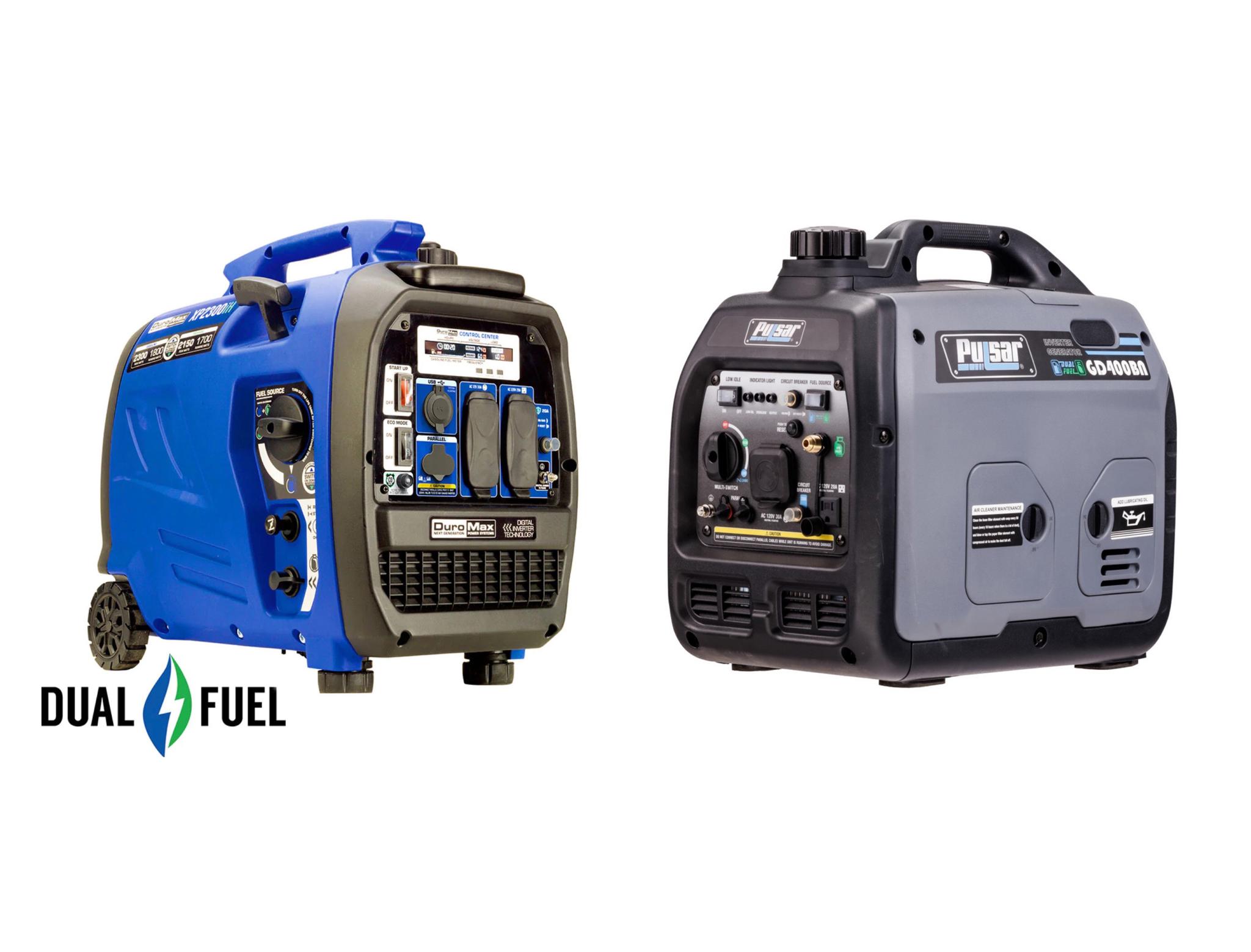
In the under-$500 category, dual-fuel generators that run on both gasoline and propane are often the most flexible option. They allow you to switch fuels depending on the situation, using gasoline for everyday convenience or propane for easier long-term storage during emergencies.
- Propane (LPG): Burns cleaner, produces fewer emissions, and can be stored for long periods without going bad, making it ideal for emergency backup power.
- Gasoline: Provides slightly higher energy density, which means better performance for continuous or heavier power loads.
For most buyers in this price range, a small dual-fuel inverter generator in the 2,000 – 3,000 watt range offers the best balance of portability, fuel flexibility, and reliable backup power. This setup lets you rely on gasoline for regular use while keeping propane as a dependable long-term fuel source when power outages occur.
FAQs: Best Portable Generators Under $500
Q: Are generators under $500 reliable for emergency backup?
Yes, generators under $500 can be reliable for basic emergency backup (fridges, lights, phones), specifically brands like WEN, Champion, and Predator (Harbor Freight). They generally offer 1,000–3,500 watts, but require regular maintenance and often feature smaller tanks. They are best for short-term outages rather than powering a whole house
Q: Is an inverter generator better than a conventional generator under $500?
An inverter generator is generally better than a conventional generator under $500 for camping, tailgating, and powering sensitive electronics, due to its quiet operation, fuel efficiency, and clean, safe power output. However, a conventional generator is superior for high-power needs, offering more wattage for less money.
Inverter Generators ($<500):
- Best for: Camping, RVing, charging laptops/phones, powering sensitive electronics, and quiet operation.
- Pros: Very quiet, fuel-efficient, lighter, produces clean power (<5% Total Harmonic Distortion).
- Cons: Lower power output, higher cost per watt, not suitable for heavy appliances.
Conventional Generators ($<500):
- Best for: Job sites, heavy-duty tools, and emergency home backup for high-load appliances.
- Pros: More power for less money, better for sustained, heavy, or high-power, non-sensitive loads.
- Cons: Very loud, inefficient with fuel, heavy, and potentially harmful to delicate electronics due to dirty power.
Under $500, a small, reliable inverter generator is ideal if you prioritize portability and silence, but if you need to run power tools or heavy appliances, a conventional generator is better.
Q: Is a dual-fuel generator worth it under $500?
Yes, a dual-fuel generator under $500 is generally worth it, providing immense value for emergency backup through propane’s long shelf life and cleaner burning, which prevents carburetor issues.
Q: Are generators under $500 portable enough for camping?
Many generators under $500 are ideal for camping, offering, portability, and enough power (typically 1,000–2,500 watts) to run lights, fans, phones, and small appliances.
Inverter models in this price range are best, weighing around 30–50 lbs, providing quiet operation, and running for many hours on a single tank.
Q: Can I connect two small generators together for more power?
Some inverter generators offer parallel capability, which allows two compatible units to be connected together using a parallel kit. This can double the available power output, giving you more flexibility without upgrading to a larger generator.


Write Your Review
No reviews yet. Be the first to share your experience!