

If you own a travel trailer, you already know how much a good generator can improve your trips.
It is not just about having power, but having it when and where you need it. From charging devices to running small appliances, the right generator helps everything feel smoother and more comfortable on the road.
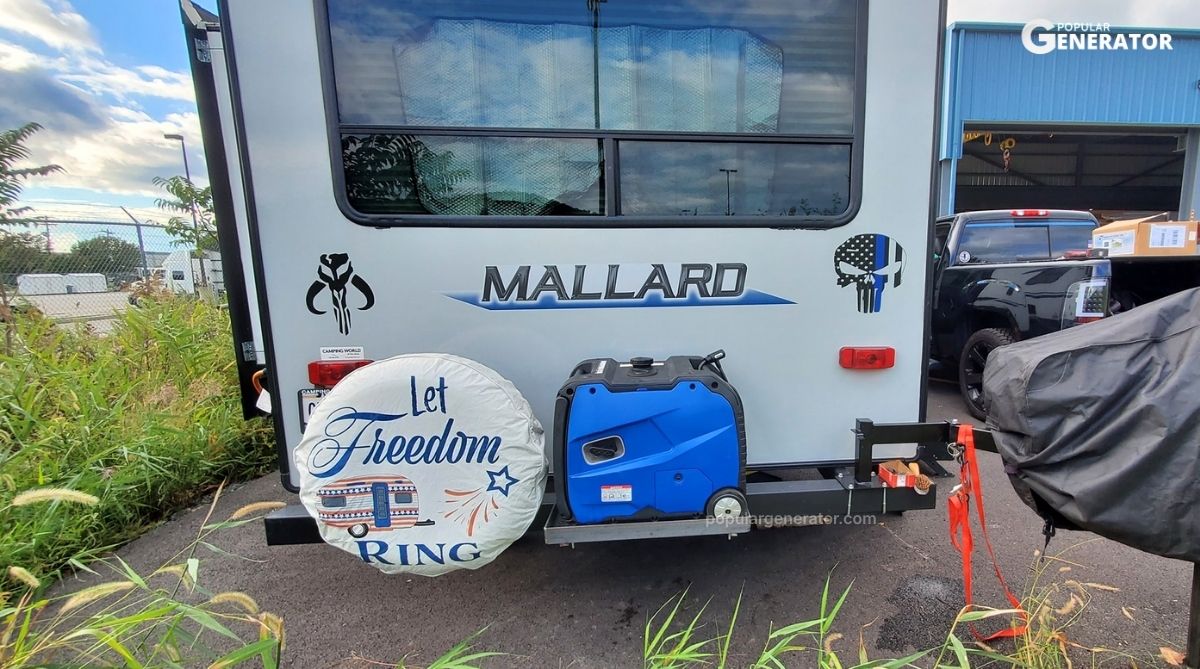
Why You Need a Generator for Your Travel Trailer
When traveling with a travel trailer or RV, a generator is not just a luxury; it’s an essential piece of equipment that allows you to enjoy the comforts of home while exploring the great outdoors. Whether you’re parked at a remote campsite or boondocking off-grid, having a reliable power source is crucial for keeping your devices running and your living space comfortable.
Importance of Power When Traveling in an RV or Trailer
For many travel trailer owners, having a portable generator is the difference between a comfortable stay and an inconvenient experience. While trailer batteries can power small electronics and basic lighting, they cannot support heavy-duty appliances or climate control devices for long periods. A generator ensures that you can run:
- LED lights for visibility and ambiance
- Small appliances like a mini fridge or coffee maker to maintain convenience
- Air conditioning to keep the inside of your RV or trailer cool on hot days
Without a generator, you are limited to just the power provided by your trailer’s batteries, which usually only provide enough energy for lights and small fans.
Why a Generator is Crucial for Off-Grid Travel
Off-grid travel, whether it’s boondocking or camping in remote areas, means you are disconnected from electrical hookups (shore power). In these situations, a generator becomes your only reliable power source. Here’s why:
- High-Demand Appliances
Most travel trailer batteries provide DC power, which is not enough to run 120V AC appliances such as air conditioners and microwaves. A generator provides the necessary wattage to run these devices effectively. - Battery Maintenance
Generators can charge your trailer’s house batteries, ensuring they don’t get depleted past safe levels. Most lead-acid batteries should not be discharged below 50%, and a generator helps maintain optimal battery health for longer trips. - Consistent Power Supply
Unlike solar generators, which depend on clear skies and sunlight, a fuel-powered generator provides consistent power no matter the weather or time of day. Whether it’s raining or cloudy, your generator will keep running.
Preparedness and Versatility with a Generator
Generators offer versatility and preparedness for campers, providing several key benefits. In an emergency, they can keep vital appliances running, such as refrigerators to prevent food spoilage or medical equipment.
They also help save costs by allowing you to stay at cheaper, primitive campsites instead of paying for premium electrical hookups. Additionally, having a high-quality generator can increase the resale value of your travel trailer, as buyers appreciate the added convenience and reliability.
Best Generators for Travel Trailers (Top Picks)


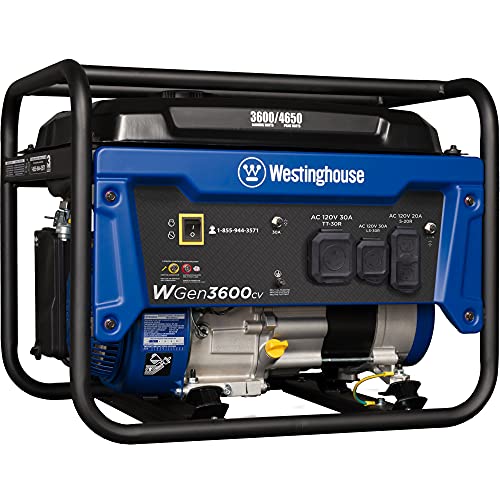
Recommended Power Range for Travel Trailer Generators
Recommended power for travel trailer generators ranges from 2,000–3,000W for small trailers (one AC), 3,000–4,000W for mid-size (one AC + appliances), and 5,000–7,000W+ for large 50-amp units (multiple ACs). Inverter generators are preferred for quiet, fuel-efficient, and clean power, especially for running sensitive electronics.
- Small (under 20 ft / 30amp): 2,000 – 3,000W (e.g., to run 13.5k BTU AC).
- Mid-size (20 – 30 ft / 30amp): 3,000 – 4,000W (e.g., to run AC + microwave).
- Large (30 – 40 ft / 50amp): 5,000 – 7,500W (e.g., to run two AC units).
It’s important to consider both running watts (the power needed to keep the device running continuously) and starting (surge) watts (the power required to start the device, which is usually higher than the running watts). Here’s a breakdown of common appliances and their respective power needs:
| Appliance | Running Watts | Starting (Surge) Watts |
|---|---|---|
| AC (13,500 BTU) | 1,500–1,800 | 2,800–3,500 |
| AC (15,000 BTU) | 1,800–2,000 | 3,500–4,000 |
| Microwave | 1,000–1,500 | 1,500+ |
| Refrigerator | 400–600 | 800+ |
| Coffee Maker | 900–1,200 | N/A |
When choosing a generator for your travel trailer, consider the following key factors to ensure you get the right fit for your power needs and safety.
30 – Amp vs. 50 – Amp Service
A 30 – amp trailer supports up to 3,600 watts, while a 50-amp trailer can handle up to 12,000 watts. Most owners find a 6,000–8,000 watt generator is enough for their needs, providing ample power for multiple appliances and air conditioners.
Soft Starters
Installing a soft start device on your AC can reduce the startup surge by up to 70%, enabling a smaller generator (e.g., 2,200W) to power your AC unit efficiently.
Inverter Generators
Inverter generators are highly recommended for travel trailers due to their quiet operation (often under 60 dB) and ability to provide clean power, making them safe for sensitive electronics like laptops and phones.
Safety Rule
Follow the 20 – 20 – 20 rule for safety: Keep the generator 20 feet away from the trailer, allow a 20-minute cooldown before refueling, and use a $20 carbon monoxide alarm.
Inverter vs Conventional Generators for Travel Trailers
When choosing a generator for your travel trailer, one of the most important decisions is whether to go for an inverter generator or a conventional generator. Each type has its advantages, but for most travel trailer owners, inverter generators are the preferred choice.
| Feature | Inverter Generators | Conventional Generators |
|---|---|---|
| Noise Levels | Quiet operation (under 60 dB), ideal for campgrounds | Loud operation (above 70 dB), can disturb others |
| Fuel Efficiency | More fuel-efficient, adjusts based on power demand | Less efficient, runs at a constant speed |
| Clean Power | Provides stable, clean power safe for electronics | Can cause power fluctuations, not safe for sensitive devices |
| Ideal Use | Camping, RV parks, off-grid with sensitive electronics | Suitable for heavy-duty tasks but noisy for camping |
| Portability | Lighter, more compact | Heavier and bulkier |
- Inverter generators are generally superior for travel trailers, offering quiet operation (50-60 dB), high fuel efficiency, and “clean” power safe for sensitive electronics. They are lightweight and portable, making them ideal for camping and boondocking.
- Conventional generators are louder (70-90 dB) and better for high-power, short-term, or budget-focused needs.
How Long Can a Generator Run for a Travel Trailer?
A travel trailer generator can typically run for 6 to 18 hours on a single tank of fuel, depending on:
- The load
- Fuel type
- Tank size
While many, especially inverter models, are designed to run 24/7 if needed, practical runtime is limited by fuel capacity and oil change intervals, usually every 100-300 hours.
When using a generator for your travel trailer, understanding run time is essential to ensure you can rely on it for extended stays without frequent refueling. The duration your generator runs depends on both the wattage of the generator and the fuel type it uses.
To calculate the run time, simply divide the fuel tank size by the fuel consumption rate.
For example, a 2,000-watt generator with a 1-gallon fuel tank running at 50% load and consuming 0.5 gallons per hour will run for approximately 2 hours (1 gallon ÷ 0.5 gallons per hour = 2 hours).
To optimize fuel efficiency, many modern inverter generators feature eco mode, which adjusts the engine speed based on the load, reducing fuel consumption. This can extend the run time, reduce noise, and improve engine longevity.
Best practices for managing power on long trips include:
- Using energy-efficient appliances
- Turning off unused devices
- Charging electronics during daylight hours
- Imiting air conditioning use as it draws significant power
Conclusion
Choosing the best generator for your travel trailer depends on your specific needs. Consider factors like power output, noise level, fuel efficiency, and portability. For smaller trailers, a 1,000–2,000W inverter generator offers a quiet, fuel-efficient solution for basic needs, while larger setups may require 2,000–3,000W for additional appliances like air conditioners. Ultimately, the right generator balances power, convenience, and efficiency to ensure a comfortable and stress-free camping experience.
FAQs About Generators for Travel Trailers
Q: How much wattage do I need for my travel trailer?
The required wattage depends on the size of your trailer and the appliances you want to power. For basic needs, a 1,000–2,000W generator is usually sufficient. For larger trailers with air conditioning or multiple devices, you may need a 2,000–3,000W generator or higher.
Q: Can I run my air conditioner on a generator?
Yes, but you’ll need a generator with a higher power output. A 2,000–3,000W generator can typically handle a single AC unit, while larger generators (around 5,000W) are needed for multiple AC units or heavy-duty appliances.
Q: Are inverter generators worth the extra cost?
Yes, inverter generators are quieter, more fuel-efficient, and provide cleaner power, making them safer for electronics like laptops and phones. They are highly recommended for travel trailers, especially in campgrounds with noise restrictions.
Q: How do I keep my generator quiet when camping?
To reduce noise, choose a quiet inverter generator that operates at under 60 dB. Additionally, keep the generator at least 20 feet away from your trailer and use noise-dampening materials or baffles if necessary.
Q: Can I use a generator inside my RV?
No, generators should not be used inside your RV due to the risk of carbon monoxide buildup. Always operate generators outdoors, and ensure proper ventilation.


Write Your Review
No reviews yet. Be the first to share your experience!