

Camping often means leaving convenience behind, but that doesn’t mean giving up basic comfort.
A portable generator can provide reliable power for lighting, charging devices, and running small appliances while still respecting the outdoor experience.
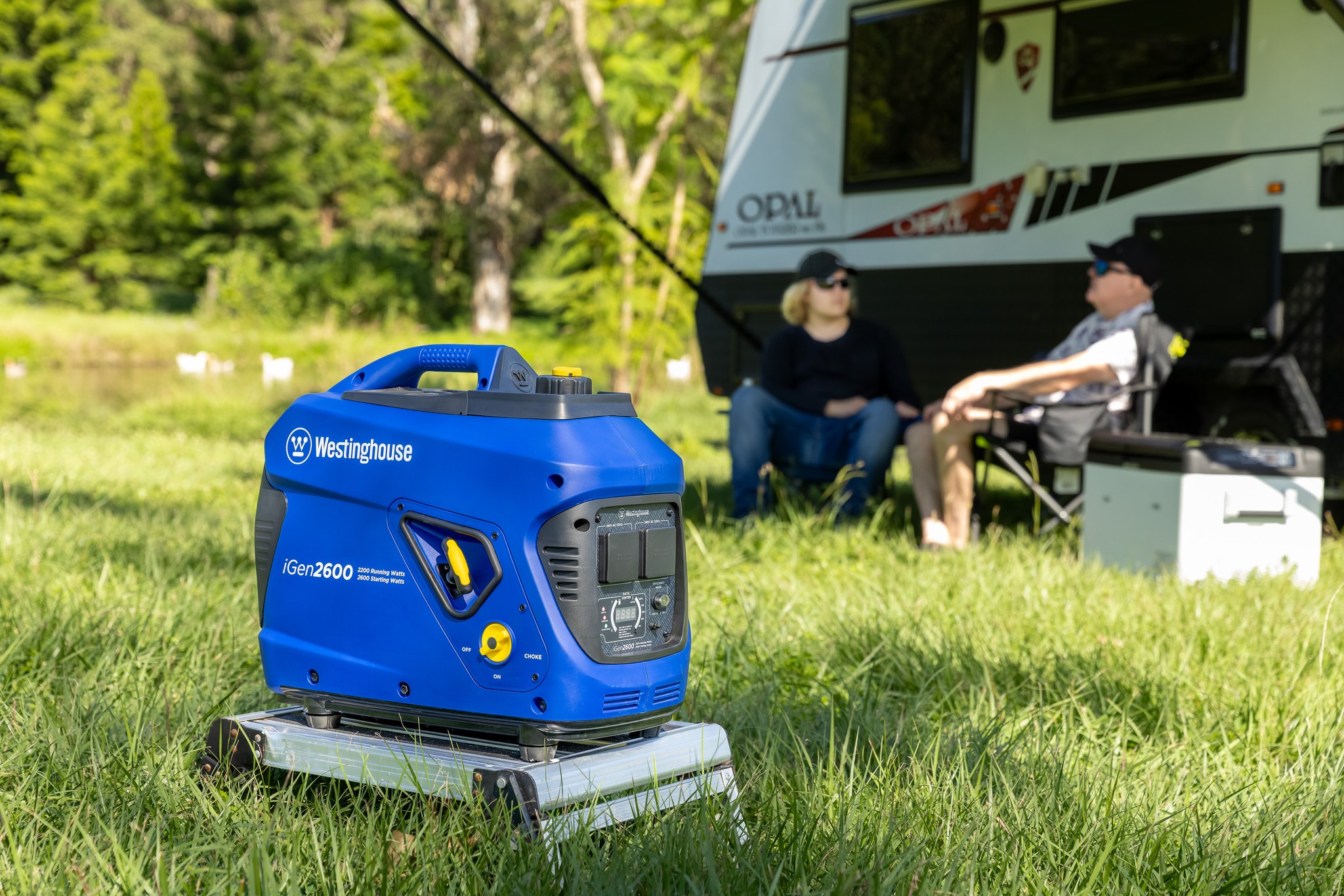
In this guide, we explain how to choose the best portable generators for camping based on noise level, portability, power needs, and real-world usability.
Why Campers Use Portable Generators
Campers use portable generators primarily to gain off-grid independence, providing consistent electricity for comfort, safety, and convenience in remote areas. They enable powering essential appliances like fridges and microwaves, charging electronics, running air conditioning, and providing lighting,, which enhances the camping experience and allows for longer, more comfortable trips.
Top Portable Generators for Camping Compared





Key Factors That Matter Most for Camping Generators
The most critical factors for a camping generator are power output (wattage), noise levels (decibels), portability (weight/size), and fuel efficiency. Inverter generators are favored for quiet, clean power to charge sensitive electronics, while 2000W-3000W models typically suit, with 500W-1000W for basic, smaller setups. Key features include safety, runtime, and ease of use.
Noise Level (Critical for Campgrounds)
Noise is often the number-one deal breaker when using a generator at a campground. Most campers look for generators operating in the 48–60 decibel (dB) range, which is roughly comparable to a quiet conversation or background noise in nature.
Many campgrounds explicitly restrict or ban loud generators because excessive noise disrupts other campers and wildlife. Conventional generators often exceed 65–70 dB, making them unsuitable for shared camping spaces.
Inverter generators are significantly quieter because they adjust engine speed based on load, while conventional generators typically run at a constant high RPM regardless of demand. For camping, inverter models are almost always the preferred option due to their lower noise output.
Portability & Weight
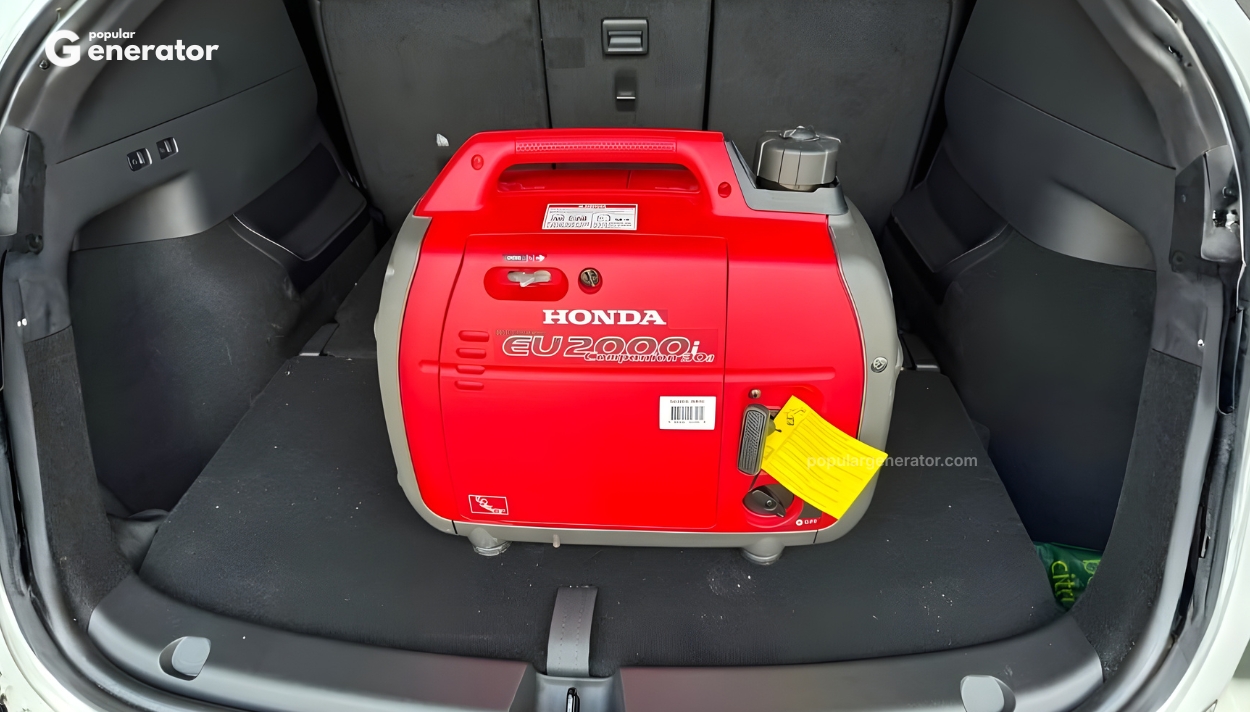
Camping generators need to be easy to transport, lift, and reposition, often without mechanical assistance. Weight directly affects how practical a generator is in real-world camping scenarios.
- Under 30 lbs: Ideal for solo campers or minimalist setups. These models are easy to carry by hand and quick to deploy.
- 30 – 50 lbs: Better suited for family camping or group use, offering more power while remaining reasonably portable.
For most camping situations, wheels are not essential. Smaller generators are frequently carried short distances from a vehicle to a campsite. Wheels become useful mainly for heavier RV-oriented generators or long-distance transport over flat surfaces.
Power Output (Not More Is Better)
A common mistake is assuming that more wattage automatically means a better camping generator. In reality, most camping setups only require 800–2,000 watts to run essential devices such as lights, fans, laptops, and small appliances.
Choosing an oversized generator leads to unnecessary fuel consumption, increased noise, and added weight. Higher output also means the engine runs harder, even when powering simple devices, which reduces efficiency and comfort at the campsite.
For camping, the goal is adequate power, not maximum power.
Fuel Efficiency & Runtime
Fuel efficiency becomes critical when camping in remote locations where refueling options are limited. Runtime is typically measured at 25% and 50% load, which better reflects real camping usage rather than peak output.
- At 25% load, a quality inverter generator can run for extended periods, often overnight.
- At 50% load, runtime decreases but still remains practical for daily use.
Eco mode plays a major role here. When enabled, the generator automatically reduces engine speed during low-demand periods, conserving fuel and lowering noise levels. For camping, eco mode significantly improves runtime, reduces fuel costs, and creates a quieter, more relaxed environment.
Ideal Wattage for Camping Portable Generators
The ideal wattage for a camping portable generator depends less on brand or size and more on how you camp and what you need to power. For most campers, the goal is to find enough wattage to run essential devices comfortably, without adding unnecessary weight, noise, or fuel consumption.
In real-world camping scenarios, 1,000 – 2,000 running watts cover the majority of needs, especially when paired with an inverter generator that balances quiet operation with efficient power delivery.
800 – 1,200 Watts (Minimal Camping)
Generators in the 800 – 1,200 watt range are best suited for minimalist camping setups, such as tents, small vans, or overnight trips with basic electrical needs.
These generators can comfortably power:
- Phone and camera chargers
- LED lights and string lights
- Small fans for ventilation
This range works well for solo campers or couples who prioritize portability, quiet operation, and fuel efficiency over appliance usage. Because power demands are low, these generators often run longer on a single tank and produce minimal noise, ideal for shared campgrounds.
However, they are not designed to handle appliances with high startup demands, such as refrigerators or coffee makers.
1,600 – 2,000 Watts (Most Campers)
The 1,600 – 2,000 watt range represents the sweet spot for most campers. It offers the best balance between usable power, manageable size, and acceptable noise levels.
Generators in this range can typically handle:
- Mini refrigerators (depending on startup wattage)
- Coffee makers
- Laptops and lighting running simultaneously
This wattage is especially popular in small campers, caravans, and vehicle-based camping, where users want comfort without moving into heavy-duty generator territory. Inverter generators rated around 1,500 – 2,000W are the most common choice because they remain quiet, fuel-efficient, and portable while covering everyday camping needs.
2,200 – 3,000 Watts (RV & Group Camping)
Generators rated between 2,200 and 3,000 watts are intended for RV camping or group setups with multiple devices running at the same time.
They can support:
- RV microwaves
- Multiple appliances and electronics concurrently
- Higher startup loads from motor-driven devices
This range is often considered the upper practical limit for camping generators. Beyond this point, generators become significantly heavier, louder, and less fuel-efficient, which can conflict with campground restrictions and portability needs.
While RVs with air conditioning units may require 3,000 – 4,000+ watts, these setups are less common in standard campgrounds and are better suited for dedicated RV parks or off-grid locations.
What Can a Camping Generator Power?
A camping generator is designed to power essential comfort and convenience devices, not to replicate a full household electrical system. Most camping generators in the 1,000–3,000 watt range are capable of handling everyday needs such as lighting, charging electronics, and running small appliances while off-grid.
Understanding what a generator can and should power helps prevent overloads, improves fuel efficiency, and ensures a smoother camping experience.
| Device | Typical Wattage | Notes |
|---|---|---|
| Phone charger | 5–20W | Negligible load |
| Laptop | 50–100W | Safe for inverter generators |
| LED lights | 10–50W | Ideal continuous load |
| Fan | 50–200W | Small box or portable fans |
| Mini fridge | 800–1,200W (starting) | Depends on compressor startup |
| Coffee maker | 600–1,200W | Best used one at a time |
These loads are well within the capability of small to mid-sized camping generators, especially inverter models that deliver stable power for electronics.
- 1,000–2,000 watts: Suitable for laptops, phones, LED lights, fans, small fridges, CPAP machines, and charging multiple devices.
- 2,000–4,000 watts: Can handle heavier loads such as coffee makers, blenders, microwaves, and portable air conditioners.
- 4,000+ watts: Capable of powering RV air conditioners and running multiple appliances simultaneously, typically outside standard campground use.
Despite their versatility, camping generators are not suited for high-demand household appliances. Avoid running:
- Central air conditioning systems
- Large space heaters
- Electric water heaters
- Full-size refrigerators or freezers
- High-draw hair dryers and heavy-duty power tools
These devices can exceed the generator’s capacity and significantly increase fuel consumption and noise.
Starting Watts vs. Running Watts
One of the most important considerations when using a camping generator is the difference between starting watts and running watts.
- Starting watts are the higher surge of power required to turn on motor-driven appliances such as refrigerators, pumps, or air conditioners.
- Running watts are the lower, continuous power levels needed to keep those devices operating.
For example, a mini fridge may require 1,000–1,200 watts to start but only 100–300 watts to run. Always ensure your generator can handle the starting load, not just the running wattage.
Fuel Types for Camping Generators
Camping generators primarily use gasoline for high-power output, propane (LPG) for cleaner burning and long-term storage, or diesel for efficiency and longevity. Dual-fuel models offer flexibility by combining gasoline and propane, allowing for extended runtime and easier refueling. Gasoline is best for portability, while propane suits long, quiet trips.
- Gasoline (Petrol): The most common fuel for portable generators, offering high energy density and maximum power output. It is easily available but has a short shelf life, requiring, for example, ethanol-free fuel to prevent engine issues.
- Propane (LPG): A cleaner-burning option that provides excellent, consistent, long-duration performance. Propane tanks have a long storage life, but deliver slightly lower (10-15% less) wattage compared to gasoline.
- Diesel: Highly efficient for heavy-duty, extended use, making them suitable for larger RVs or long, off-grid camping. They are more durable and require less maintenance than petrol, though they can be noisier.
- Dual-Fuel (Gas/Propane): These generators allow for switching between gasoline and propane, which is ideal for maximizing runtime and providing a backup source.
- Solar: While not a traditional “fuel,” solar generators are an option for silent, emission-free, and eco-friendly power.
FAQs About Portable Generators for Camping
Q: How many watts do I need for camping?
Most camping setups work best with a generator in the 1,000–2,000 watt range. This is enough to run lights, phones, laptops, fans, and a small fridge. Minimalist campers may need less, while RV or group camping setups can require 2,200–3,000 watts depending on appliance usage.
Q: Are portable generators allowed at campgrounds?
It depends on the campground’s rules and the type of generator you’re using. Many public and private campgrounds limit or prohibit loud, conventional generators, particularly during designated quiet hours (often evenings and early mornings), to minimize noise disturbance.
Inverter generators are more commonly allowed because they operate at lower decibel levels and adjust engine speed based on power demand. Some campgrounds permit inverter generators during specific daytime hours only, while others restrict generator use to certain areas or require them to meet a maximum noise rating (typically around 60 dB or less).
Before bringing a generator, always review the campground’s posted regulations or contact staff directly. Rules can vary widely depending on location, proximity to other campers, and environmental protections.
Q: Can I run a generator at night while camping?
In most campgrounds, nighttime generator use is limited or prohibited to reduce noise.
Some allow quiet inverter generators during designated hours. Even when permitted, it’s best to minimize nighttime use to avoid disturbing others.
Q: Should I use an inverter generator for camping?
Yes.
Inverter generators are strongly recommended for camping because they are quieter, more fuel-efficient, and provide cleaner power that’s safe for electronics like laptops and phones. They are also better suited to campground noise limits.
Q: Are there camping power options that don’t use gasoline?
Yes.
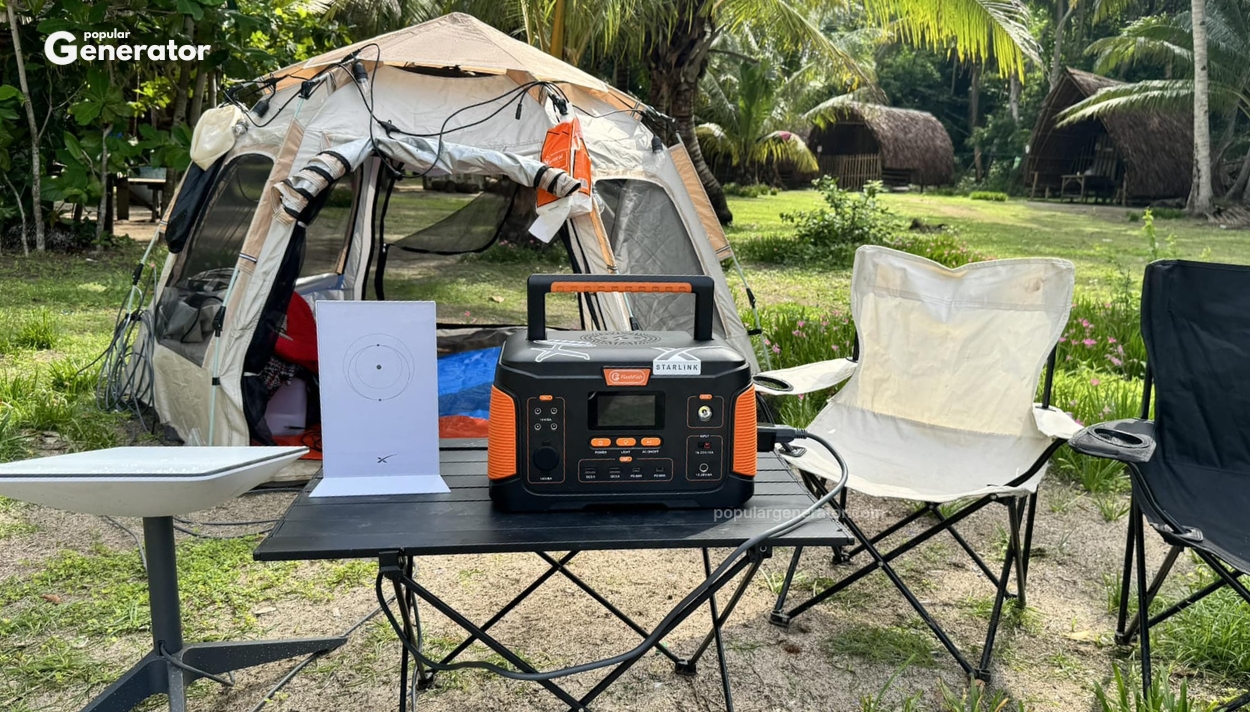
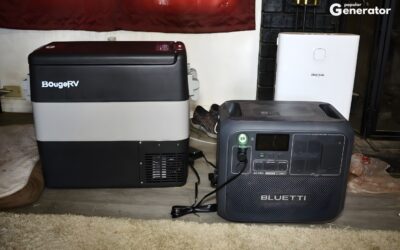
Battery-based power stations are a popular alternative for light-duty camping needs. They are silent and safe for indoor use but offer limited power and runtime compared to fuel-powered generators. Solar charging can extend their usability, but they are not suitable for high-wattage appliances.


Write Your Review
No reviews yet. Be the first to share your experience!