

When portability matters most, size becomes just as important as power.
Smallest portable generators are built for situations where you need reliable electricity without hauling bulky equipment.
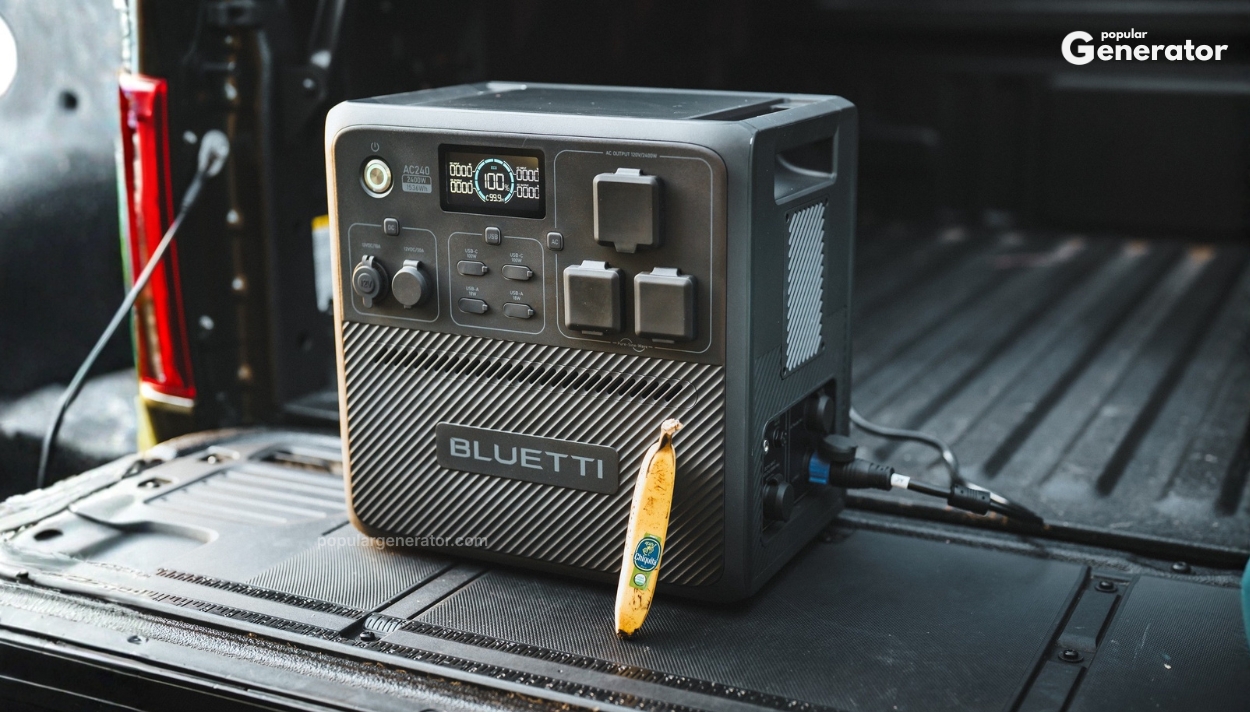
In this guide, we’ll look at how compact these generators can be, what they’re realistically capable of powering, and how to decide if a small portable generator is the right fit for your needs.
What Is a Small Portable Generator?
A small portable generator is a compact, movable power device designed to supply electricity for temporary, low-power applications. These generators are commonly fueled by gasoline or propane and typically produce between 800 and 2,000+ watts of power.
They are well suited for uses such as camping, tailgating, outdoor activities, or providing backup power for essential tools and lighting during brief power outages.
Recommended Smallest Portable Generator

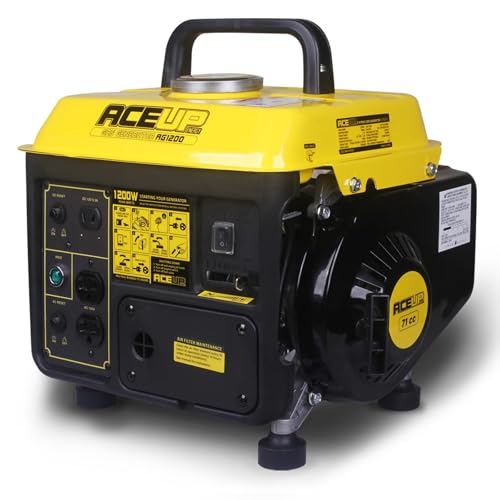



How Small Can a Portable Generator Be?
Portable generators can be extremely compact, but their minimum size depends largely on power output and technology. At the smallest end of the spectrum, portable power solutions are designed for very specific, low-draw needs, while slightly larger units balance portability with practical usability.
Power Range (400W – 2,000W)
The smallest portable generators typically fall within a 400 to 2,000 watt range. Ultra-compact units around 400 – 500W are intended for charging phones, laptops, lights, and small electronics.
Moving up to the 1,600 – 2,000W range allows the generator to handle more demanding appliances such as a refrigerator, a small coffee maker, or essential household devices during short outages.
Average Weight (10 – 30 lbs)
In terms of portability, the smallest units usually weigh between 10 and 30 pounds, making them easy to carry without wheels or lifting assistance. Lithium-based or battery-powered units tend to be on the lower end of this range, while small gas-powered inverter generators are slightly heavier but still considered highly portable for camping and light-duty use.
Comparison vs Inverter and Portable Power Stations
| Feature | Small Portable Generator | Inverter Generator | Portable Power Station |
|---|---|---|---|
| Classification | Portable generator | Advanced portable generator | Battery-powered energy storage |
| Power Generation | Generates electricity | Generates electricity with inverter technology | Stores pre-charged electricity |
| Typical Power Range | 800 – 2,000 watts | 1,000 – 2,500 watts | 300 – 1,000 watts |
| Average Weight | 20 – 40 lbs | 25 – 50 lbs | 10 – 30 lbs |
| Size & Portability | Compact and easy to move | Compact but slightly larger | Extremely compact and lightweight |
| Noise Level | Moderate | Quiet | Silent |
| Runtime | Limited by fuel tank | Longer, fuel-efficient runtime | Limited by battery capacity |
| Fuel / Power Source | Gasoline or propane | Gasoline or propane | Lithium battery |
| Indoor Use | Not safe | Not safe | Safe |
| Best Use Cases | Camping, tools, short outages | RVs, sensitive electronics, longer use | Phones, laptops, lights |
| Power Stability | Standard AC output | Clean, stable power | Clean, stable power |
| Key Limitation | Louder, less efficient | Higher cost | Limited power & runtime |
| Considered a Generator? | Yes | Yes | No |
Size vs. Capability Trade-Off
While the smallest portable generators maximize portability, they also impose clear performance limits.
- Battery-based power stations are lighter and quieter but struggle with sustained or high-wattage loads.
- Gas-powered inverter generators, though slightly larger, deliver higher output and longer runtime, making them more practical for appliances and extended use.
Best Uses for Smallest Portable Generators
Smallest portable generators (1,000 – 3,000 watts) are best used for camping, tailgating, small job sites, and emergency backup of critical, low-draw appliances.
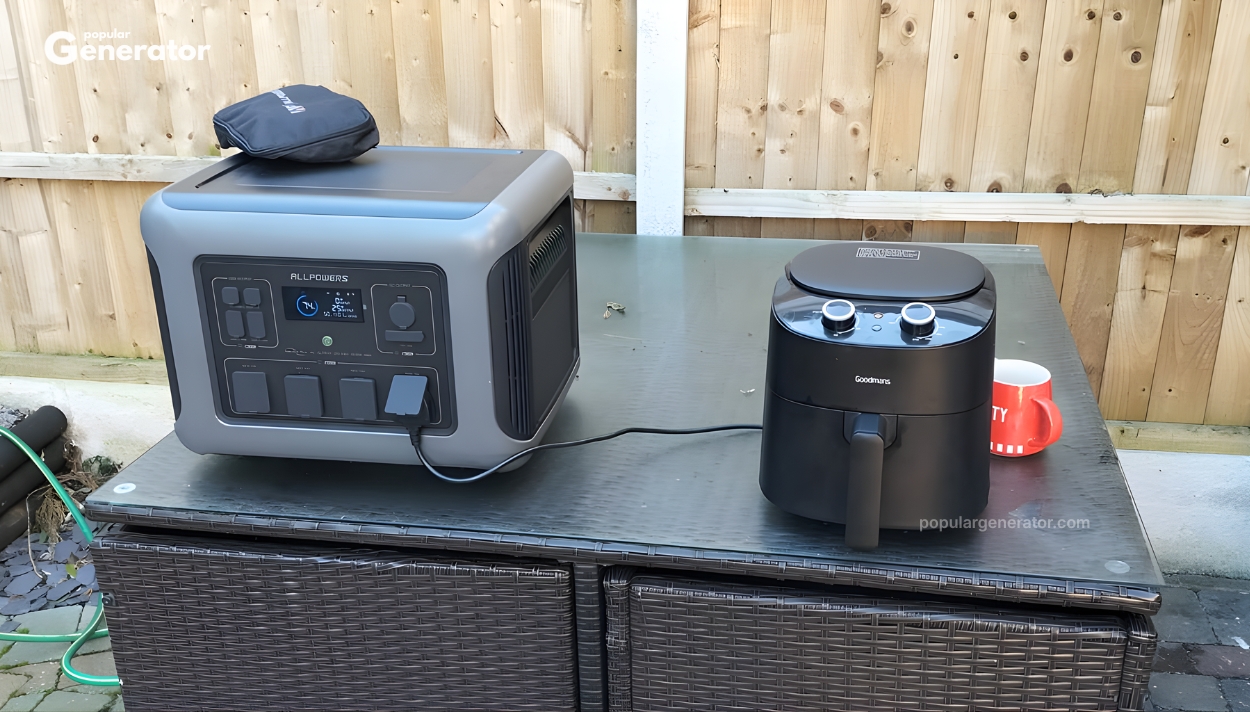
Ideal applications include charging phones/laptops, running lights, small fans, coffee makers, and refrigerators. Their lightweight, quiet, and fuel-efficient design (especially inverter models) makes them perfect for portable power on the go.
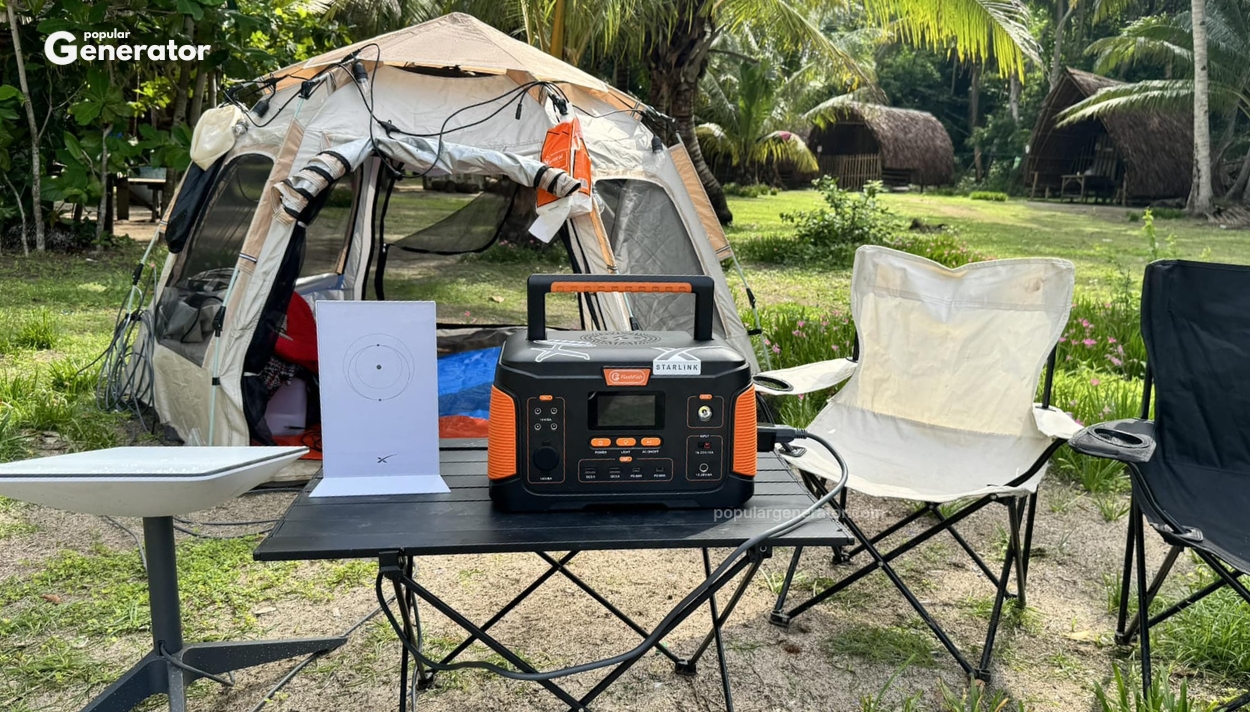
- Camping & Outdoor Activities: Powering lights, portable heaters, fans, laptops, and coffee makers in remote areas.
- Emergency Home Backup: Powering critical, low-draw items like a refrigerator, freezer, phone chargers, or a modem during outages.
- Job Sites & Tools: Running small power tools like drills and saws when electricity isn’t available.
- Tailgating & Events: Powering music systems, small TVs, string lights, and electric grills.
- Medical Equipment: Powering low-draw devices such as CPAP machines.
What Can the Smallest Portable Generator Power?
The smallest portable generators, typically rated between 800 and 2,000 watts, are built to supply light-duty, essential power rather than full-home backup. These units are well suited for situations such as camping, tailgating, outdoor activities, or keeping basic devices running during short power outages.
Most models in this category can handle starting loads up to around 1,200 watts, which allows them to power small appliances with modest startup demands, along with everyday electronics and lighting.
| Device / Appliance | Can It Run? | Notes |
|---|---|---|
| Smartphone charger | Yes | Minimal power draw |
| Laptop | Yes | Can run continuously |
| LED lights | Yes | Highly efficient, ideal load |
| Small fan / box fan | Yes | Suitable for extended use |
| Mini fridge | Yes (limited) | Depends on startup wattage and generator capacity |
| Small TV | Yes | LED models preferred |
| Electric blanket | Yes | Low to moderate wattage |
| Drill (small power tool) | Yes (short use) | Not for heavy-duty tools |
Devices You Should Not Run
Despite their versatility, the smallest portable generators are not designed for high-wattage or motor-heavy equipment. Avoid using them with:
- Central air conditioning systems
- Large refrigerators or freezers
- Electric water heaters
- Microwaves with high starting wattage
- Heavy-duty power tools (table saws, air compressors)
Power Limitations to Keep in Mind
Because of their compact size, these generators prioritize portability over raw power. Exceeding their rated or starting wattage can cause overloads or shorten equipment lifespan. To get the best performance, focus on efficient appliances and staggered usage rather than running multiple high-draw devices at once.
What to Consider Before Buying the Smallest Portable Generator
Before buying the smallest portable generator, prioritize checking if its total wattage (running and surge) covers your critical loads, such as a refrigerator or medical equipment.
Opt for an inverter generator for quieter operation and safer power for sensitive electronics, while considering fuel efficiency, portability (weight/handles), and safety features like carbon monoxide detectors.
- Power Capacity & Load Requirements: Calculate the total wattage needed by adding the running watts of all devices you intend to power simultaneously, plus the highest starting (surge) wattage. Even small generators must handle the surge wattage of devices like fridges, which can be much higher than their running wattage.
- Inverter vs. Conventional: For small, portable units, inverter generators are often preferred because they are quieter, more fuel-efficient, and produce cleaner power, which is essential for sensitive electronics like laptops and phones.
- Fuel Type and Efficiency: Consider gasoline (widely available), propane (cleaner, long shelf life), or dual-fuel options. Smaller generators often have smaller tanks, impacting run time; check how many hours it can run at 25% or 50% load.
- Portability & Weight: The smallest generators often weigh less than 50 lbs, but ensure you can comfortably carry it. Look for ergonomic handles or wheels if it’s on the heavier side.
- Noise Level: Especially for camping or tailgating, look for lower decibel (\(dB\)) ratings. Inverter generators typically offer the quietest operation.
- Safety Features: Ensure the generator has a built-in carbon monoxide (\(CO\)) sensor that automatically shuts down the unit if harmful fumes accumulate, as these must only be used outdoors.
- Outlets and Connectivity: Verify that the generator has the correct outlets (AC, DC, USB) for your devices, ensuring it can handle the voltage you need.
Are Smallest Portable Generators Worth It?
Smallest portable generators, particularly inverter models, are generally worth it for users needing quiet, lightweight, and affordable power for camping, tailgating, or powering essential devices like fridges during short-term outages. They are highly portable, easy to store, and provide clean power for electronics, though they have limited capacity and cannot power whole-house systems.
FAQs About Smallest Portable Generators
1. How many watts is the smallest portable generator?
The smallest portable generators typically produce between 800 and 2,000 watts. Entry-level models around 800 – 1,200W are designed for basic electronics and lighting, while generators in the 1,600 – 2,000W range can handle small appliances with moderate startup demands.
2. Can smallest portable generator run a refrigerator?
Yes, some mini refrigerators can be powered by the smallest portable generators, but it depends on the fridge’s starting wattage. Compact or energy-efficient mini fridges usually require 800–1,200W to start, which falls within the capacity of many small generators. Full-size refrigerators are generally not recommended.
- An 800W generator will likely fail to start a full-sized fridge.
- A 2,000-watt unit is generally recommended as the “gold standard” for reliably running a refrigerator during a power outage.
3. Are the smallest portable generators safe for electronics?
It depends on the generator type. Inverter-based portable generators provide clean, stable power that is safe for sensitive electronics such as laptops, phones, and cameras. Conventional non-inverter models may produce voltage fluctuations and are less suitable for delicate devices without additional protection.
4. Can a small portable generator be used indoors?
No.
Gasoline- and propane-powered portable generators should never be used indoors, including garages or enclosed spaces, due to the risk of carbon monoxide poisoning. For indoor use, only battery-based power stations are considered safe.
5. Do I need an inverter for the smallest portable generator?
An inverter is not strictly required, but it is highly recommended if you plan to power electronics or run the generator near people.
Inverter generators are quieter, more fuel-efficient, and deliver cleaner electricity, making them the preferred option for most small portable generator applications.


Write Your Review
No reviews yet. Be the first to share your experience!