

Many people think that the smallest generator for camping is only good for powering smaller items.
Like lights or mobile devices when they’re camping. The truth about these little power plants is that they’re capable of providing much more electric power than you might expect. Some can even be used to run appliances around the house.
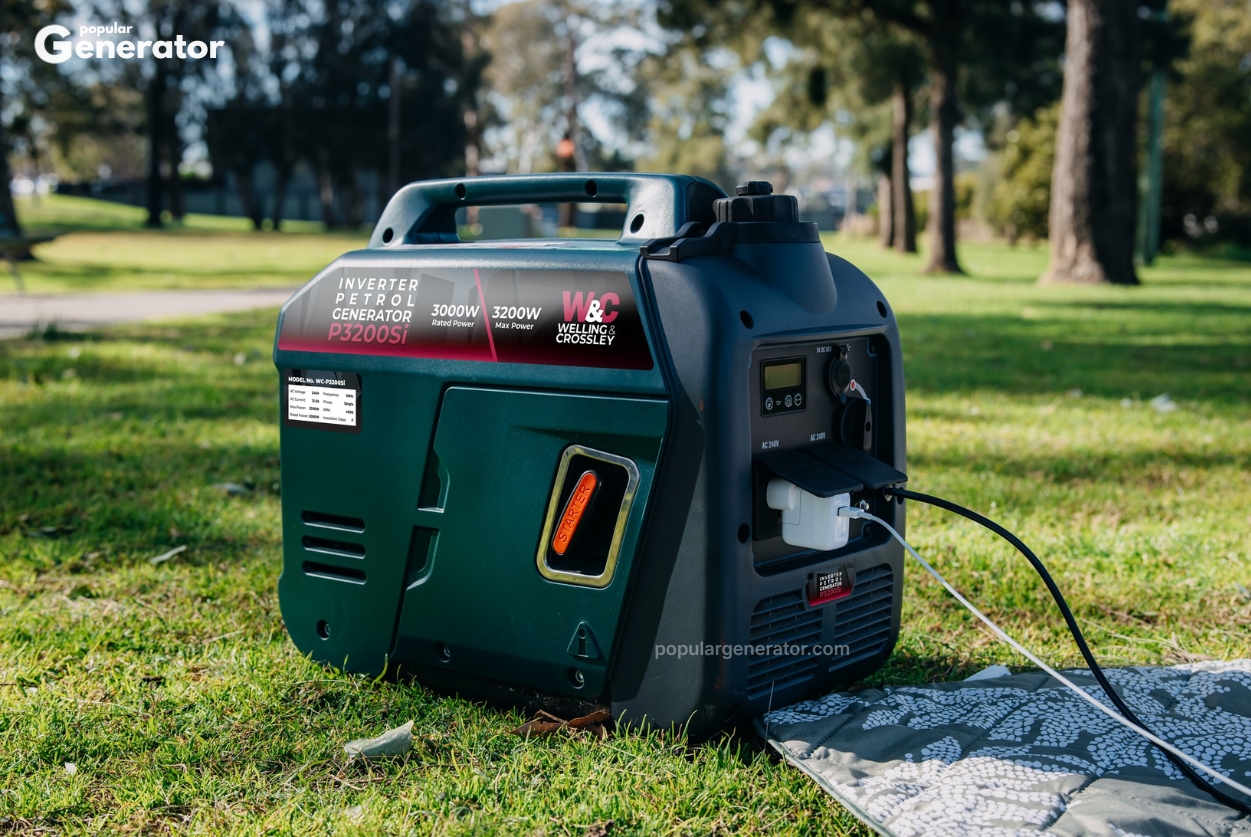
The point is that the smallest generator for camping usually won’t provide enough power to run your home, but it can provide the necessary level of energy required for camping and many other off-grid activities where you may need to power lights or charge devices.
In this guide, we’ve gathered together some top reviews of small generator models that are perfect for camping. These small generators for camping range in size from those that are small enough to fit in the palm of your hand to larger models that can power a small RV or camper.
We’ll also take a look at solar-powered generators, which are becoming increasingly popular among campers and other outdoor enthusiasts.
What Is the Smallest Generator You Can Bring Camping?
When people search for the smallest generator for camping, they usually mean one thing: lightweight, compact, and easy to carry, without sacrificing the power needed for basic essentials.
But how small is “small” really?
How Many Pounds Is Considered Small?
For camping, weight matters more than raw power.
- Under 20 lbs → Ultra portable, ideal for tent camping or hiking trips
- 20 to 30 lbs → Still very manageable for car camping
- 30 to 40 lbs → Portable, but better suited for RV or short distance carrying
- Over 40 lbs → Not considered small for camping
If you are doing tent camping, anything under 25 lbs is ideal.
For car camping, you can comfortably go up to 30 lbs without it feeling bulky.
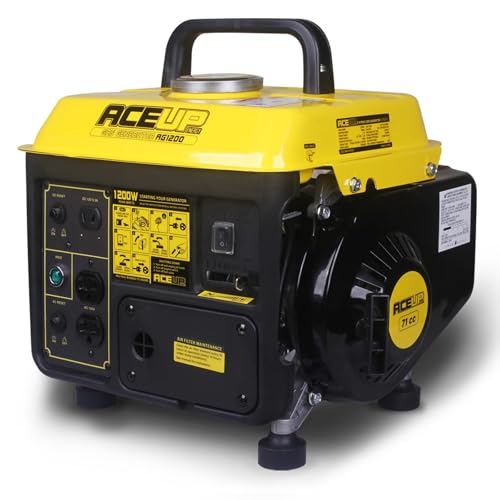
Compare the Smallest Camping Generators at a Glance




How Many Watts Do You Actually Need for Camping?
One of the biggest mistakes campers make is buying more generator than they actually need.
For most camping trips, you are not running air conditioners, washing machines, or full size kitchen appliances. You are powering small essentials. That means your wattage needs are usually much lower than you think.
Here is a realistic breakdown of common camping devices and their typical power usage:
- Phone charging: 5 to 20 watts
- LED lights or string lights: 10 to 30 watts
- Laptop: 30 to 60 watts
- CPAP machine: 30 to 60 watts without humidifier
- Mini fridge or electric cooler: 50 to 100 watts
- Small fan: 20 to 50 watts
Even if you run several of these at the same time, your total draw is often under 200 to 300 watts.
Solar vs Gas, Which Is Better for Camping?
When choosing the smallest generator for camping, the real decision usually comes down to solar battery powered vs small gas powered models.
Both can work, but for most camping situations, one option clearly makes more sense.
| Feature | Solar Generator | Gas Generator |
|---|---|---|
| Noise | Silent | 50 to 70 dB or more |
| Weight | Lighter | Heavier |
| Maintenance | None | Fuel required |
| Indoor Safe | Yes | No |
| Startup | Push button | Pull start or electric start |
| Emissions | Zero | Produces fumes |
For most campers, especially those focused on portability and quiet operation, solar generators are the better fit.
They are lighter, silent, low maintenance, and campground friendly.
Gas generators may offer more raw power, but for typical camping needs, solar provides the best balance of convenience and usability.
Frequently Asked Questions
1. What is the lightest generator for camping?
The lightest camping generators are usually small battery powered models that weigh between 10 and 20 lbs. These compact units typically offer 300 to 500 watts of output, which is enough for charging phones, running lights, powering a laptop, or operating a CPAP without humidifier.
Gas generators are generally heavier, often starting around 35 lbs or more.
2. Is 300 watts enough for camping?
Yes, for most campers 300 watts is enough.
A 300 watt generator can handle:
- Phone charging
- LED lights
- Laptop
- Small fan
- CPAP machine
If you only plan to power basic essentials, 300 watts works well. If you want more flexibility or plan to run a mini fridge, stepping up to 500 watts is safer.
3. Can I bring a gas generator to a campsite?
It depends on the campground.
Some campgrounds allow gas generators but enforce strict quiet hours. Others restrict or ban them entirely due to noise and emissions.
Always check campground rules before bringing a gas generator. In many cases, a quiet battery powered solar generator is more campground friendly.
4. Are solar generators better for tent camping?
Solar generators are generally better for tent camping due to their silent operation, lack of fumes, and portability, allowing them to be used inside tents or in areas with noise restrictions. They are ideal for charging phones, laptops, and small appliances, making them a cleaner, low-maintenance, and eco-friendly alternative to gas generators.
5. How long will a small camping generator last?
A small, portable camping generator typically lasts for 500 to 3,000 hours of total use over its lifespan, which usually translates to 10–15 years with proper maintenance and occasional, light use. On a single tank of gas, they generally run for 6–18 hours, though this varies based on load.


Write Your Review
No reviews yet. Be the first to share your experience!