

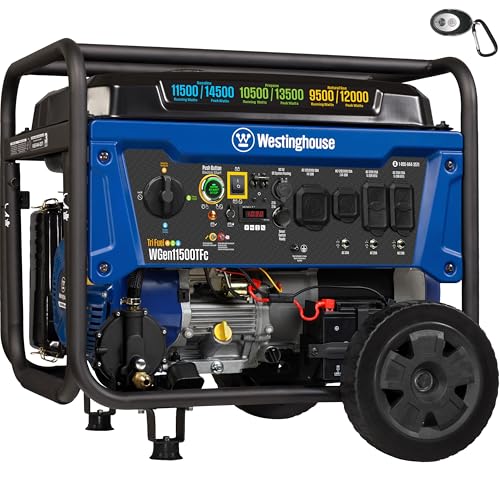


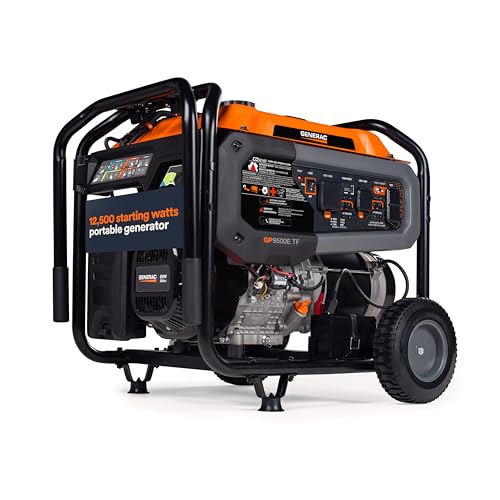


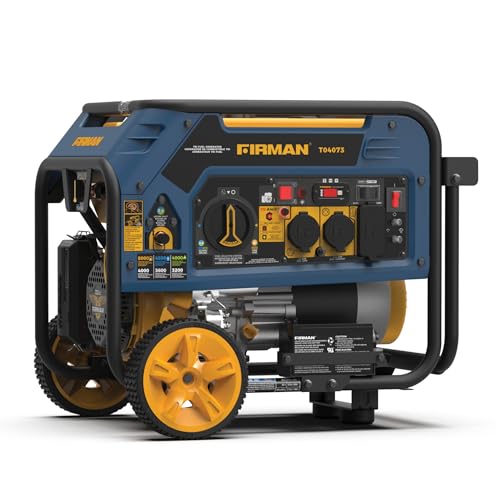


That’s where a tri fuel generator earns its place.
With the ability to run on gasoline, propane, or natural gas, you’re not locked into a single option. In this guide, we’ll break down what actually matters, which models stand out, and how to choose the right unit without overbuying or coming up short when it counts.
What Is a Tri Fuel Generator?
A tri-fuel generator is a versatile portable power source capable of running on three different fuel types:
- Gasoline
- Propane (LPG)
- Natural gas (NG)
without requiring mechanical modifications.
At its core, it’s still a conventional internal combustion engine turning an alternator to produce electricity. What makes it “tri fuel” is the added fuel delivery system. It includes a carburetor setup for gasoline, plus regulators and valves that allow propane or natural gas to feed into the engine safely and at the correct pressure.
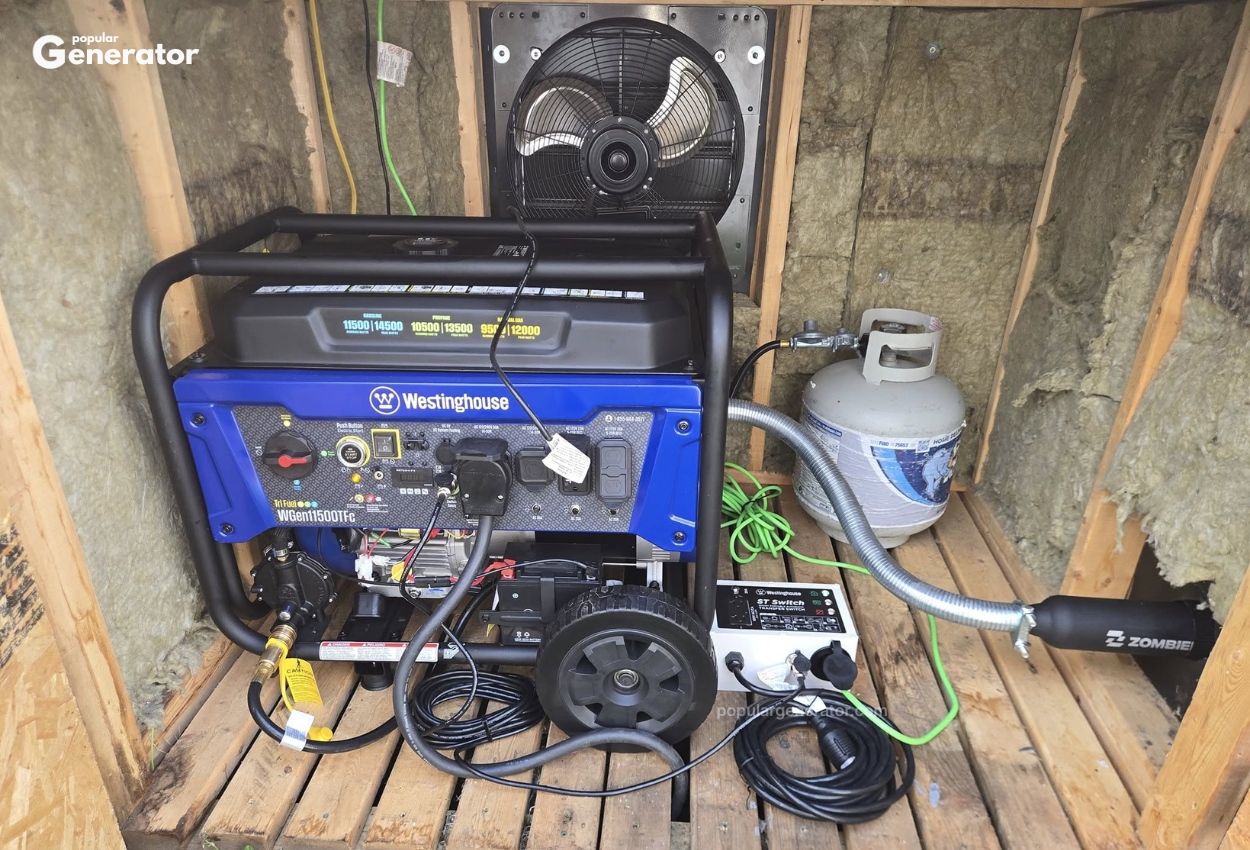
The appeal is simple. During a power outage, fuel availability is unpredictable. Gas stations run out. Propane may be easier to store. Natural gas, if piped to your home, can run almost indefinitely. A tri fuel generator gives you options when flexibility matters most.
That said, flexibility adds complexity. More components mean more maintenance and slightly more things that can go wrong. It’s not magic. It’s a practical upgrade with trade-offs.
How It Differs from a Dual Fuel Generator
A dual fuel generator runs on two fuels, typically gasoline and propane. A tri fuel unit adds natural gas to that mix.
The real difference in practical terms:
- Dual fuel gives you fuel storage flexibility.
- Tri fuel gives you long-duration capability if you have a natural gas line.
Natural gas is the major dividing line. It eliminates fuel storage entirely. You don’t need to rotate gasoline. You don’t need to refill propane tanks during extended outages. As long as municipal gas service is running, the generator keeps going.
Pros and Cons of Tri Fuel Generators
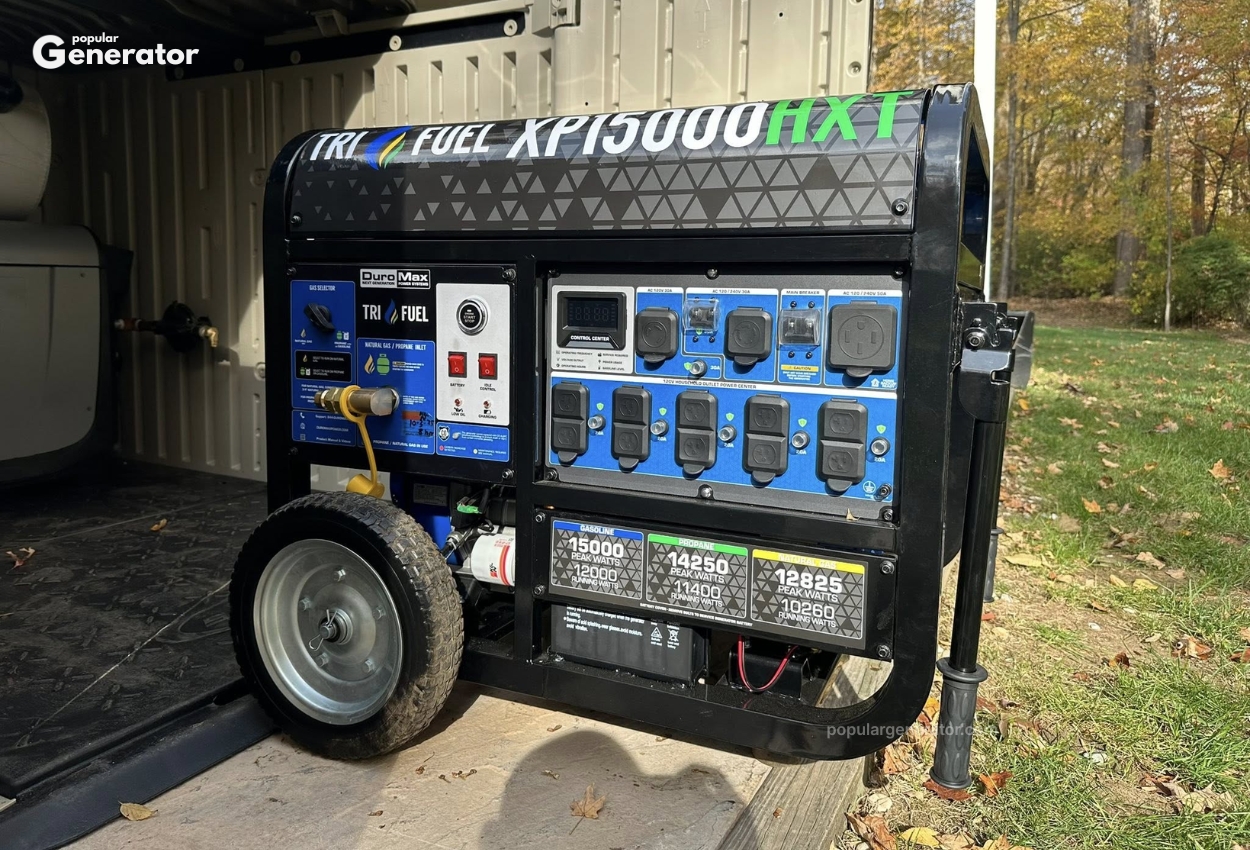
Tri-fuel generators offer maximum versatility by running on gasoline, propane, or natural gas, allowing users to switch fuels during shortages. Key advantages include utilizing existing home natural gas lines for long, uninterrupted runtimes, and the long-term, stable storage of propane. However, they are generally heavier, more complex to operate, and may experience a slight drop in power output when running on natural gas compared to gasoline
Advantages
- Fuel Flexibility: The ability to switch between gasoline, propane, and natural gas provides superior reliability during fuel shortages.
- Long Runtime on Natural Gas: By connecting to a home’s existing natural gas line, these generators can run indefinitely without refueling.
- Propane Shelf Life & Cleanliness: Propane does not degrade over time (12+ year shelf life) and burns cleaner than gasoline, resulting in less engine maintenance.
- Emergency Reliability: Ideal for storm situations where gas stations may close, as propane and natural gas remain available.
Disadvantages
- More Complex Fuel System: The requirement to handle three fuel types increases complexity, requiring knowledge to properly switch between them.
- Heavier and Larger Units: The added plumbing for multiple fuel sources often makes these units heavier and less portable than single-fuel alternatives.
- Slight Efficiency/Power Drop on NG: Generators may produce less wattage when running on natural gas compared to gasoline or propane.
- Higher Initial Cost: The advanced technology and versatility usually result in a higher upfront purchase price.
How to Choose the Best Tri Fuel Generator for Your Needs
Buying a tri fuel generator without running the numbers first is a mistake. Too small and it struggles. Too large and you waste money, fuel, and space. The right approach is methodical. Start with your real-world loads, then work outward.
Step 1 – Calculate Your Wattage Needs
Before looking at models, figure out what absolutely must stay running during an outage. Not what would be nice. What is essential.
Refrigerator
Most modern refrigerators draw around 600–800 running watts, but the startup surge can hit 1,200–1,500 watts. That surge matters. Compressors don’t start gently.
If your generator can’t handle the surge, it doesn’t matter what the running watt rating says.
Freezer
A standalone freezer is similar. Expect roughly 500–700 running watts and up to 1,200 starting watts. If both fridge and freezer kick on at the same time, your generator sees that combined surge.
Plan for overlap. It happens.
Sump Pump
This is where many people underestimate demand. A sump pump can draw 800–1,000 running watts and 2,000 watts or more at startup. Water pressure events don’t wait for convenient timing.
If flooding is a concern, size your generator with margin. Cutting it close here is asking for trouble.
HVAC
Air conditioning is one of the largest loads in a home. A central AC unit can require 3,000–5,000 running watts and significantly higher starting watts.
If you plan to run HVAC, you’re no longer shopping in the “small portable” category. You need serious capacity, especially if running on natural gas where wattage drops.
Well Pump
A typical 1 HP well pump may draw 2,000 running watts and surge above 3,000. Older pumps can spike even higher.
This is another load that punishes undersized generators. Always check the motor plate if possible.
Medical Devices
Oxygen concentrators, CPAP machines, or other medical equipment usually draw modest wattage. Often under 500 watts combined. But reliability matters more than total draw.
If medical gear is involved, oversize slightly and avoid operating at 90–100 percent load continuously.
Important: Add up running watts. Then account for the largest startup surge likely to occur at one time. Finally, if you plan to run on natural gas, reduce your expected generator capacity by roughly 15–20 percent before deciding.
Step 2 – Decide Your Primary Fuel Source
Tri fuel gives you flexibility, but you should still choose a primary fuel. That decision affects sizing and expectations.
Gasoline for Portability
Gasoline delivers the highest wattage output. If you need maximum power in the smallest frame, gasoline wins.
It’s easy to find, easy to transport, and works well for temporary use. But it has drawbacks:
- Short shelf life
- Requires stabilizer
- Fuel rotation is necessary
For occasional outages or job site use, gasoline is practical. For long-term preparedness, it requires discipline.
Propane for Storage
Propane stores for years without degrading. That alone makes it attractive for emergency planning.
It burns cleaner than gasoline and reduces carburetor issues. However:
- Output is slightly lower
- Large tanks take space
- Refills depend on supply chains
If you want reliable stored fuel without maintenance headaches, propane is a strong middle ground.
Natural Gas for Long Outages
If your home has a natural gas line, this is where tri fuel shines.
Natural gas allows extended runtime without refueling. No hauling cans. No tank swaps. As long as the gas supply continues, you can run indefinitely.
Step 3 – Choose 30 Amp or 50 Amp Output
This decision is about how you connect to your home.
When 30A is enough, a 30 amp outlet typically supports:
- Essentials circuits
- Refrigerator
- Freezer
- Sump pump
- Lights
- Internet
- Possibly a small window AC
For many households, this is sufficient during outages. It keeps the basics alive without overcomplicating installation.
If your load calculation stays under roughly 7,500 running watts, 30A may be all you need.
When you need 50A, a 50 amp output supports:
- Larger central AC systems
- Electric water heaters (in some cases)
- Multiple heavy loads at once
- Higher total household demand
If you’re targeting partial or near whole-home backup, especially with a well pump and HVAC running together, 50A gives breathing room.
There is no benefit to paying for 50A if you never use it. But if your load demands it, 30A will be a bottleneck.
Step 4 – Runtime Expectations
Marketing numbers often assume ideal lab conditions. Real runtime depends on two main factors.
Tank Size
Larger fuel tanks mean longer runtime on gasoline or propane. But bigger tanks add weight and bulk.
For gasoline, 6–8 gallon tanks are common in mid to large units. That may translate to 8–12 hours at 50 percent load.
For propane, runtime depends on tank size. A standard 20 lb tank won’t last as long as people assume under heavy load.
Natural gas runtime is effectively unlimited as long as supply continues.
Load Percentage Impact
Generators are typically rated at 50 percent load for advertised runtime.
If you run at:
- 25 percent load, runtime increases significantly.
- 75–100 percent load, runtime drops fast and fuel consumption climbs sharply.
Running near maximum continuously also increases engine wear. A generator operating at 50–70 percent load is usually the sweet spot for efficiency and longevity.
Step 5 – Noise Level Considerations
Noise is not theoretical. It affects neighbors, local regulations, and your own sanity.
Typical dBA Range
Conventional tri fuel generators usually operate between 68 and 78 dBA measured at 23 feet.
That is not whisper quiet. It is clearly audible across a yard.
Larger open-frame units trend toward the louder end. If noise sensitivity matters, consider placement and shielding.
HOA & Neighborhood Restrictions
Some neighborhoods and homeowner associations impose noise limits, especially overnight.
Even where no formal rule exists, running a loud generator for days can strain neighbor relationships.
Plan placement carefully:
- Downwind from windows
- Away from fences that reflect sound
- On stable, level ground
And always operate outdoors with proper ventilation for safety.
Essential Long-Term Maintenance Steps for a Tri Fuel Generator
Long-term maintenance for a tri-fuel generator focuses on preventing fuel degradation and engine wear by running it monthly for 15-30 minutes on all fuel types, especially LPG/natural gas. Key, consistent, actions include changing oil/filters every 100 hours or annually, using a battery tender, and storing in a dry, clean area.
1. Monthly Operation
A generator that sits for months without running is a generator that will hesitate when you need it.
Once a month, run the unit for 15 to 30 minutes under load. Not just idling. Plug in a space heater, shop light, or other meaningful load so the engine works.
Why this matters:
- Keeps internal components lubricated
- Prevents seals from drying out
- Circulates oil through bearings and cam surfaces
- Reduces varnish buildup in fuel systems
If you own a tri fuel unit, rotate fuels occasionally during these sessions. Exercise the gasoline system one month, propane the next, natural gas after that. Every fuel path should prove it works before an emergency does.
2. Fuel Management
Fuel issues cause more generator failures than mechanical defects.
Gasoline Care
Gasoline degrades quickly. After 30 days, it begins breaking down and forming varnish deposits.
- Add fuel stabilizer if gasoline will sit more than 30 days
- Shut off the fuel valve and let the carburetor run dry before storage
- Avoid storing untreated gasoline in the tank long-term
Old fuel gums jets, clogs passages, and turns a reliable engine into a hard-starting frustration.
Propane and Natural Gas Inspection
Propane and natural gas burn cleaner, but the delivery systems still require attention.
- Hoses for cracking or stiffness
- Regulators for corrosion
- Connectors for looseness
- O-rings for wear
Even small leaks are unacceptable. A visual inspection takes minutes. Ignoring it can create safety risks.
3. Engine Maintenance
A tri fuel generator is still a small internal combustion engine. The fuel system may be more complex, but the heart of the machine follows the same rules engines have followed for decades. Clean oil, clean air, strong spark. Ignore those, and reliability disappears.
| Component | Service Interval | What To Do | Why It Matters | What Happens If Ignored |
|---|---|---|---|---|
| Engine Oil | Every 100 hours or once per year (whichever comes first). Shorten interval in hot weather or heavy load use. | Drain and replace with recommended oil grade. Check level regularly. | Oil lubricates bearings, cam lobes, piston rings, and crankshaft. It reduces heat and friction. | Accelerated wear, overheating, reduced compression, possible engine failure. |
| Air Filter | Inspect every 50 hours. Clean or replace as needed. Check more often in dusty conditions. | Remove filter, clean (if reusable) or replace if dirty or damaged. | Clean airflow ensures proper fuel mixture and full combustion efficiency. | Rich fuel mixture, carbon buildup, power loss, higher fuel consumption. |
| Spark Plug | Every 100 hours or annually. | Remove, inspect, clean carbon deposits, check and adjust gap. Replace if worn. | Strong spark ensures smooth combustion and reliable starting. | Hard starting, rough running, misfires, reduced efficiency. |
Frequently Asked Questions
Q: Are tri fuel generators worth it?
Tri-fuel generators are worth it for users seeking maximum reliability and flexibility, allowing operation on natural gas, propane, or gasoline to avoid fuel shortages. They offer continuous power, cleaner burning (reducing engine maintenance), and the ability to tap directly into home natural gas lines. They are ideal for long-term, versatile emergency home backup.
Q: Do tri fuel generators lose power on propane or natural gas?
Yes. Gasoline typically delivers the highest output. Propane usually produces around 10 percent less power. Natural gas can reduce output by 15 to 20 percent depending on the engine design.
Always size your generator based on the lowest output fuel you plan to use. If you calculate your needs using gasoline ratings but intend to run on natural gas, you may come up short under heavy startup loads.
Q: Can a tri fuel generator power a whole house?
Yes, a large tri-fuel generator (typically 10kW to 20kW+ or higher) can power a whole house, including heavy loads like central AC, refrigerators, and water heaters. They offer ultimate fuel flexibility,running on natural gas, propane, or gasoline,allowing you to connect to a, natural gas line or use propane tanks during long outages.
Q: Is tri fuel better than dual fuel generator?
Tri-fuel generators are generally considered better for home backup because they offer superior versatility, allowing operation on gasoline, propane, or natural gas. While dual-fuel (gasoline/propane) is excellent for portability, tri-fuel provides the option of unlimited run time via natural gas, making it superior for long-term emergencies.
Q: Are tri fuel generators louder than inverter generators?
Yes, in most cases. Traditional open-frame tri fuel generators typically operate between the high 60s and upper 70s decibels at 23 feet. Inverter generators are usually quieter but often offer lower maximum output.
If noise is a priority, placement and load management become important considerations.
Q: Do tri fuel generators require more maintenance?
Yes, tri-fuel generators generally require more maintenance than single-fuel (gasoline) generators because they possess complex, additional hardware for managing three fuel sources,gasoline, propane, and natural gas. While they offer superior flexibility, they require regular oil changes, air filter checks, and, crucially, monitoring of fuel lines, connections, and carburetors for blockages or leaks.
- Complex Fuel System: The extra hardware (regulators, hoses, fuel selector valves) for handling propane and natural gas means more components that could require adjustment or repair.
- Carburetor Maintenance: Using gasoline often requires cleaning or replacing the carburetor, as old fuel can clog it; however, running exclusively on gaseous fuels (propane/natural gas) can help avoid this, though it may risk condensation.
- Regular Running Required: To prevent gaskets from stiffening and to keep the engine lubricated, you must run the generator periodically (e.g., 15–30 minutes monthly).
- Initial Break-in: Similar to other engines, they require a break-in period (e.g., 30 hours) before the first oil change to ensure long-term performance.
- Leak Inspection: Regular checks of LPG/propane or natural gas hoses for leaks using soapy water are essential for safety.
While they require more attention, using clean fuels like propane or natural gas as the primary fuel source can reduce overall engine wear and carburetor issues compared to running on gasoline alone.
Q: What is the biggest mistake people make when buying a tri fuel generator?
Buying based on peak watt numbers without calculating real running loads and fuel-based power reduction. That leads to undersized units struggling during startup surges.
A conservative sizing approach and realistic expectations prevent most problems before they start



Write Your Review
No reviews yet. Be the first to share your experience!