




Best Solar Generators for House Boats in 2025
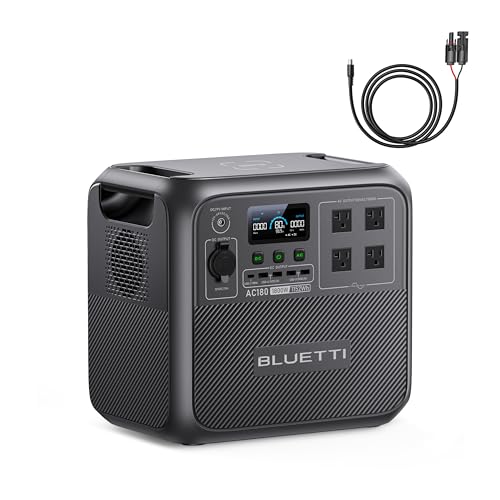
- BLUETTI AC180 (with Lead-Acid Charger Bundle): A compact 1152Wh station perfect for small houseboats that need reliable overnight power without taking up too much space.
- BLUETTI AC200L: A 2048Wh expandable powerhouse with a built-in 30A TT-30 outlet that integrates seamlessly with standard marina shore power setups.
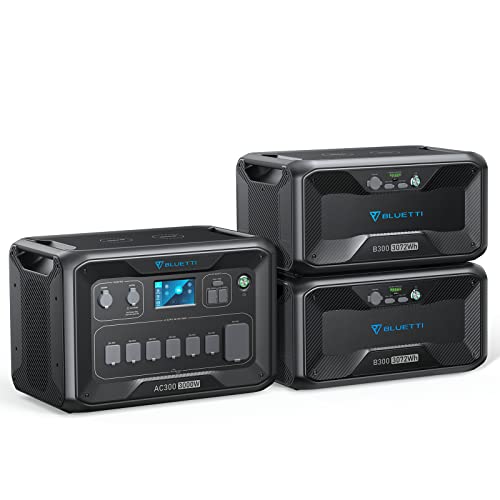
- BLUETTI AC300 + 2x B300K: A modular 6144Wh system with six AC outlets, delivering serious capacity for full-time liveaboards running multiple appliances simultaneously.
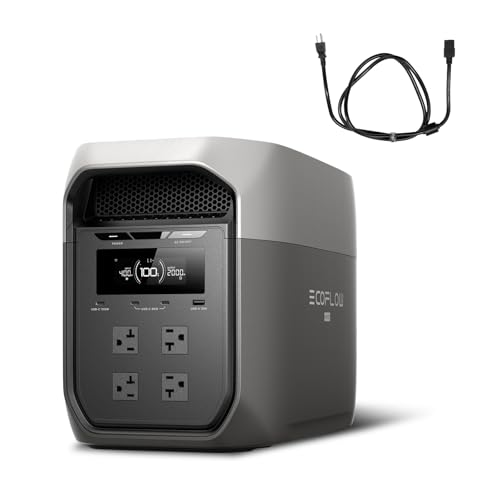
- EcoFlow DELTA 3 Max: A fast-charging 2048Wh unit with 3400W X-Boost output that keeps cabin comforts running through cloudy days on the water.
- Jackery Solar Generator 5000 Plus (with AC Cable): A 5040Wh behemoth expandable to 60kWh, capable of powering a houseboat’s full electrical load including 240V appliances.
- Jackery HomePower 3600 Plus (with AC Cable): A robust 3584Wh station expandable to 21kWh, purpose-built for extended off-grid living aboard a boat or floating home.
Living aboard a houseboat blends the comforts of home with the freedom of the water, but it also creates unique power challenges. Unlike a land-based home, your houseboat may spend extended periods away from marina shore power, relying entirely on onboard energy storage to run air conditioning, a full-size refrigerator, interior lighting, navigation electronics, and entertainment systems. A single day without reliable power on the water can quickly become uncomfortable, and a multi-day cruise without a solid energy solution can become a genuine safety concern.
Solar generators have emerged as the ideal solution for houseboat owners who want clean, quiet, and fuel-free backup power. Modern lithium iron phosphate (LFP) solar generators offer high cycle counts, stable chemistry that holds up in warm marine environments, and enough capacity to sustain a full household load overnight. Whether you dock at a marina on weekends or live aboard full-time, the right solar generator can dramatically reduce your dependence on shore power or noisy fuel generators. In this guide, we break down the six best solar generators for houseboats in 2025, covering capacity, output, expandability, and real-world marine use cases.
What to Look for in a Solar Generator for a Houseboat
Capacity is the first and most critical spec to evaluate. A typical houseboat running a refrigerator, a few LED light circuits, a router, and a television will consume somewhere between 1.5kWh and 3kWh overnight. If you also run an air conditioning unit or a marine watermaker, that figure can double quickly. As a general rule, target at least 2kWh of usable capacity for overnight use, and consider units with 4kWh or more if you plan to run high-draw appliances or go multiple days between solar recharges. Many of the models on this list are also expandable with additional battery modules, which gives you room to grow your storage as your power needs increase.
Output wattage determines what you can actually run. A solar generator rated at 1800W will handle a refrigerator, lights, and device charging simultaneously, but will struggle with a central air conditioning unit that draws 1500W or more on its own. For houseboats with larger AC systems or multiple high-draw devices, look for units rated 3000W and above, ideally with surge ratings that handle the startup spike of compressor-based appliances. Some units like the EcoFlow DELTA 3 Max feature smart boost technology that allows them to run appliances rated above their nominal output, which adds meaningful flexibility in tight power situations on the water.
Multiple AC outlets matter more on a houseboat than in most other use cases because you are effectively powering a small dwelling. Look for generators that offer at least four AC outlets so you can run a refrigerator, a battery charger, a fan or AC unit, and a device charging station simultaneously without relying on extension cord splitters. The BLUETTI AC300 system ships with six AC outlets, which is more than enough to cover a well-equipped houseboat cabin without any additional hardware.
For houseboats that connect to marina shore power, 30-amp compatibility is a significant advantage. Most marina pedestals provide a TT-30 outlet running 30 amps at 120V, and a solar generator with a native TT-30 port can act as a pass-through or backup seamlessly. The BLUETTI AC200L includes a built-in TT-30 outlet, which makes it one of the most plug-and-play options for boaters who split their time between shore power and solar. If you own a larger vessel with 50-amp service, look for models that offer 240V split-phase output, as the Jackery 5000 Plus provides, to take full advantage of your boat’s wiring.
BLUETTI AC180 (with Lead-Acid Charger Bundle)
The BLUETTI AC180 is a 1152Wh LFP solar generator rated at 1800W continuous output with a 2700W surge capacity, and it weighs just 35.3 lbs. The included lead-acid charger bundle adds versatility for boats that may already carry traditional marine batteries, allowing the AC180 to top off those batteries directly from its DC output. Despite its relatively compact size, the AC180 delivers enough capacity to run a 12V marine refrigerator for well over 24 hours, keep cabin lighting on all night, and charge phones, tablets, and navigation devices without interruption.
For small houseboat owners or those who use their boats seasonally on weekends, the AC180 strikes a compelling balance between portability and performance. At 35.3 lbs, it can be moved between the cabin and the cockpit easily, and its 1800W AC output handles most standard household appliances including coffee makers, microwaves used briefly, and small fans. The LFP chemistry is a significant advantage in the marine environment, where battery temperatures can fluctuate and long-term reliability matters. BLUETTI rates the AC180 for over 3500 charge cycles to 80% capacity, which translates to roughly a decade of regular use under normal conditions.
Pair the AC180 with two 200W solar panels and you can expect to fully recharge it from flat on a good sunny day, making it self-sufficient for weekend cruises with no shore power hookup. It is worth noting that if your houseboat has heavy loads like a full-size air conditioner or an induction cooktop, you will need to step up to a higher-capacity unit. For lighter weekend liveaboard use, the AC180 delivers excellent value and convenience for the money spent.
Best for: Weekend houseboat owners with moderate power needs who prioritize portability and ease of use over maximum capacity.
BLUETTI AC200L
The BLUETTI AC200L is a 2048Wh LFP solar generator with a 2400W continuous AC output and an impressive 3600W lifting power mode that can handle heavy-duty appliances that would ordinarily exceed its rated wattage. Its capacity is expandable up to 8192Wh by connecting additional BLUETTI battery modules, making it one of the most scalable options on this list for houseboat owners whose power needs may grow over time. The standout feature for marine use is the built-in TT-30 outlet, which matches the 30-amp shore power standard used at virtually every marina in North America.
With 2048Wh onboard, the AC200L can power a 150W marine refrigerator for over 10 hours while simultaneously running cabin lighting, a fan, and device charging. In practice, most houseboat owners running the AC200L for overnight use will wake up with meaningful capacity remaining if they managed their loads sensibly. The unit features an informative touchscreen display and app connectivity for monitoring state of charge and managing charging sources, which is particularly useful when managing solar input alongside shore power or generator top-ups. Among large solar generators in this capacity tier, the AC200L stands out specifically because of its native marina compatibility through the TT-30 port.
The AC200L also supports AC charging, car charging, and solar input simultaneously, allowing it to recover quickly when you do return to a marina. At 2400W continuous output across multiple outlets including the TT-30, it can run a window air conditioning unit, a refrigerator, and basic lighting all at once, which covers the core comfort needs of most houseboats during hot summer months on the water.
Best for: Full-time or part-time liveaboards who need a marina-compatible 30A outlet and the ability to expand capacity as their onboard power needs grow.
BLUETTI AC300 + 2x B300K
The BLUETTI AC300 paired with two B300K battery modules delivers a formidable 6144Wh of LFP storage with a continuous AC output of 3000W and a peak surge rating of 6000W. Six AC outlets provide ample connection points for running a full houseboat load simultaneously, and the system supports split-phase 240V operation when two AC300 units are configured together. The modular design means you can start with one B300K module and add a second as your budget allows, spreading the investment over time without committing to the full system upfront.
With 6144Wh onboard, the AC300 system can sustain a houseboat running a 1200W air conditioning unit, a 150W refrigerator, lighting, and device charging for well over a day without any solar input at all. Add a pair of 400W solar panels on the cabin roof and you can maintain that load indefinitely in good sun conditions, effectively making your houseboat completely energy-independent for extended cruising seasons. This is one of the most capable setups available for those considering true off-grid living aboard a vessel, comparable in scope to what homeowners expect from whole house solar generators for complete residential backup coverage on land.
The AC300 charges at up to 3000W via AC input and accepts up to 2400W of solar simultaneously, so recharge times even from a deeply discharged state are measured in hours rather than days. BLUETTI’s app integration provides real-time monitoring of each battery module independently, which is useful for diagnosing any imbalance issues and planning your power consumption for multi-day anchor-outs away from the marina grid.
Best for: Full-time liveaboards and serious cruisers who need maximum capacity, high output, and the flexibility to expand further down the line.
EcoFlow DELTA 3 Max
The EcoFlow DELTA 3 Max packs 2048Wh of LFP capacity into a unit that charges from flat to 80% in just 1.13 hours via AC, one of the fastest recharge rates in its class. Its 3400W X-Boost output uses EcoFlow’s smart power management to run appliances rated higher than the unit’s nominal output by intelligently throttling and managing load distribution. This means the DELTA 3 Max can handle a wider range of boat appliances than its base specs might suggest, including some air conditioning units and larger marine inverters that would otherwise exceed a standard 2000W-class unit’s capability.
On a houseboat, the DELTA 3 Max earns its place through sheer versatility. The ultra-fast AC charging means that when you do pull into a marina slip for shore power, you can fully top off the unit in a single afternoon without thinking about it. The 2048Wh capacity provides comfortable overnight runtime for a refrigerator, lighting, fans, and device charging, and solar input of up to 1000W allows for meaningful daytime recovery. For houseboat owners who split time between marina living and anchoring out, the DELTA 3 Max handles both scenarios gracefully without the need for complicated system management.
The DELTA 3 Max also supports expansion with EcoFlow’s battery ecosystem, giving it a growth path if your power requirements increase. Its relatively compact and well-designed chassis stows conveniently in a houseboat’s cabin storage area, and its app connectivity provides detailed usage reporting that helps you understand and optimize your onboard energy habits over time.
Best for: Houseboat owners who frequently alternate between marina shore power and independent anchoring, and who value ultra-fast recharge times above all else.
Jackery Solar Generator 5000 Plus (with AC Cable)
The Jackery Solar Generator 5000 Plus is one of the most powerful solar generators available for residential and marine use, combining 5040Wh of LFP capacity with a 7200W AC output that supports both 120V and 240V split-phase configurations. Expandable all the way to 60kWh by adding Jackery battery packs, this system is capable of powering an entire houseboat indefinitely with adequate solar panel input. The included AC cable simplifies integration with a boat’s existing wiring or a dedicated inlet, and the 240V output makes it compatible with high-power marine appliances that smaller units simply cannot handle.
The raw numbers here are genuinely impressive for the houseboat context. At 5040Wh, the Jackery 5000 Plus can run a 1200W marine air conditioning unit for over three hours on stored energy alone, while simultaneously powering a refrigerator, lights, and device charging. In a real-world marine day with adequate solar input from a matched panel array, a houseboat running moderate loads could sustain that energy balance indefinitely without connecting to shore power at all. This is the kind of capability that owners of solar generators for RV use have come to expect from flagship units, and the 5000 Plus delivers that same performance standard for the marine environment.
The 7200W output also means the Jackery 5000 Plus can run a whole-home transfer setup if your houseboat is wired with a main panel and breaker box, essentially functioning as a whole-home battery backup system afloat. For larger vessels or floating homes with substantial electrical infrastructure, the expandability to 60kWh and the 240V split-phase output make this the most capable solar generator solution on this list by a significant margin.
Best for: Large houseboat owners and full-time floating home residents who need maximum power output, 240V capability, and near-unlimited expandable storage.
Jackery HomePower 3600 Plus (with AC Cable)
The Jackery HomePower 3600 Plus ships with 3584Wh of LFP capacity, a 3600W continuous AC output, and an expansion path to 21kWh via additional Jackery battery packs. The included AC cable makes it straightforward to integrate with a houseboat’s existing shore power inlet or a dedicated transfer panel, and the 3600W output is robust enough to handle a full houseboat load including an air conditioning unit, refrigerator, and general cabin circuits running simultaneously. As a purpose-designed home power solution, the HomePower 3600 Plus brings residential-grade power management expectations to the marine environment.
With 3584Wh onboard, runtime estimates are generous for typical houseboat loads. A 150W marine refrigerator alone would run for over 20 hours, while adding a 1200W AC unit, lighting, and device charging brings total draw to roughly 1600W, yielding just over two hours of pure battery runtime at full combined load. In practice, houseboat owners would supplement that with solar input and intelligent load scheduling, extending runtime significantly. The HomePower 3600 Plus supports substantial solar input, allowing large panel arrays on the cabin roof to keep the battery topped off through the day and ready for overnight demands.
The unit’s expandability to 21kWh via bolt-on battery modules places it in the same class as residential energy storage systems, which is exactly what full-time liveaboards need. For boaters who also want to charge an electric dinghy motor or use solar generators for EV charging alongside their houseboat power needs, the HomePower 3600 Plus has the capacity and output headroom to handle both tasks without compromise. Its robust build quality and Jackery’s strong support network make it a dependable choice for long-term marine deployment.
Best for: Houseboat owners who want a balance of high capacity, strong output, and meaningful expandability in a purpose-designed home power platform.
“I spent two seasons relying on a noisy propane generator before switching to a solar setup on my 42-foot houseboat. The silence alone was worth it. Running the fridge, cabin lights, and my navigation station through the night without waking up every few hours to check fuel levels changed how I experience time on the water completely.”
“The biggest thing I underestimated when shopping for a solar generator for my floating home was how fast a marine air conditioner eats through storage. I thought 1000Wh would be plenty for overnight use. It was not. I ended up going with a 3500Wh unit and adding extra panels, and now I have more than I need most days. Size up more than you think you will ever need.”
Frequently Asked Questions
How Much Capacity Do I Need to Power a Houseboat Overnight?
Most houseboats running a refrigerator, cabin lighting, a fan or small air conditioning unit, and basic device charging will consume between 1.5kWh and 3kWh overnight depending on how efficiently the boat is set up and how warm the climate is. If you run a larger air conditioning system continuously, that figure can rise to 5kWh or more for an eight-hour night. A general rule is to size your solar generator to cover at least 1.5 times your estimated overnight consumption to allow for some buffer and account for battery capacity degradation over time. For full-time liveaboards, a system in the 3000Wh to 6000Wh range with expandable battery capability is the safest starting point.
Can I Use a Solar Generator Instead of Shore Power at a Marina?
Yes, many houseboat owners use high-capacity solar generators as a primary or supplemental power source that reduces or eliminates their reliance on marina shore power connections. Units with native TT-30 outlets, such as the BLUETTI AC200L, can plug directly into marina pedestals to recharge and can also supply power to the boat’s shore power inlet using the appropriate adapter. For boats with more complex electrical systems, a transfer panel allows the solar generator to act as a seamless backup when shore power is unavailable. In practice, a well-sized solar generator with a good rooftop panel array can make most marina slips optional for shorter cruising trips, which also reduces the cost of daily slip fees at the dock.
Final Verdict
The best solar generator for your houseboat depends on the size of your vessel, how you use it, and how long you spend away from shore power. For compact weekend boats and occasional cruisers, the BLUETTI AC180 and EcoFlow DELTA 3 Max provide excellent performance in a manageable footprint. For serious liveaboards and larger vessels, the BLUETTI AC200L and Jackery HomePower 3600 Plus hit the sweet spot between capacity and expandability. If you run a large floating home with heavy electrical loads, the BLUETTI AC300 system and Jackery Solar Generator 5000 Plus are the only options that can genuinely sustain a full residential load through extended periods without shore power.
Regardless of which unit you choose, pairing your solar generator with a well-designed rooftop panel array is essential for making the most of LFP battery storage. Plan for at least 400W of solar panel capacity per 1000Wh of battery storage as a starting benchmark, and position panels to maximize the hours of direct sunlight your boat receives on its typical mooring or cruising profile. With the right combination of storage, output, and solar input, a houseboat solar generator setup can deliver clean, quiet, and reliable power that keeps every system aboard running comfortably through the sailing season and beyond.





Write Your Review
No reviews yet. Be the first to share your experience!