




Best Emergency Solar Generators in 2026
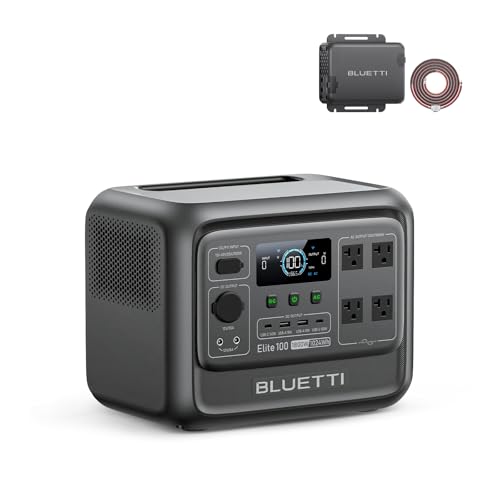
- BLUETTI Elite 100 V2 + Charger 1: 1024Wh LFP, 10ms UPS switchover, fills in under 1.5 hours for rapid emergency readiness
- BLUETTI Elite 100 V2 + Charger 2: same UPS platform with a 1200W alternator charger for vehicle-based emergency recharge
- BLUETTI AC200L: 2048Wh LFP expandable to 8192Wh, built-in 30A TT-30 outlet for whole-home circuit integration
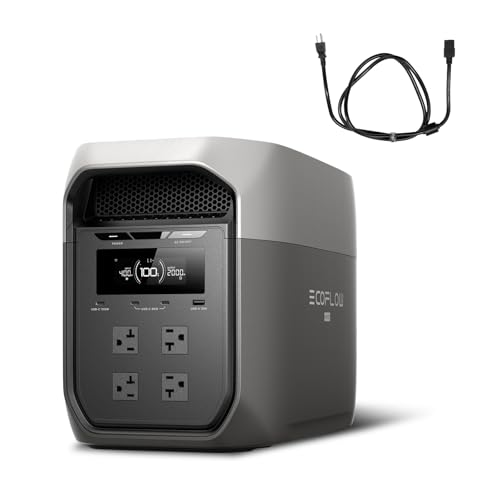
- EcoFlow DELTA 3 Max: 2048Wh LFP, 10ms UPS, charges from flat to 80% in 1.1 hours for fast storm prep
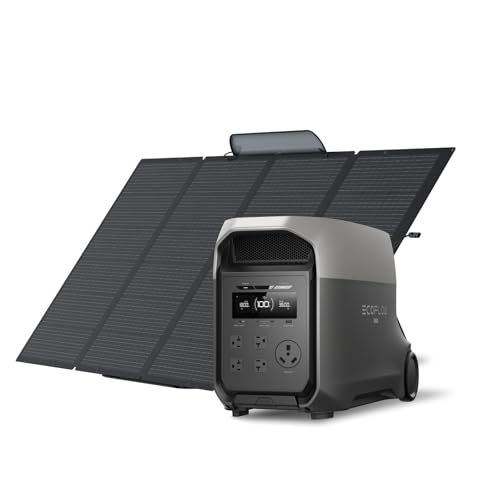
- EcoFlow DELTA 3 Ultra Plus + 400W Solar: 3072Wh LFP with 400W solar for self-sustaining outage coverage
- Jackery Solar Generator 5000 Plus: 5040Wh LFP, 7200W output, expandable to 60kWh for whole-home emergency backup
A power outage during a storm is rarely a surprise, but the average household has about 12 hours of warning before conditions become serious. What you do with that window, and what equipment you already have in place, determines whether the next 24 to 72 hours are manageable or genuinely dangerous. A quality emergency solar generator does two things that a gas generator cannot: it operates silently indoors without carbon monoxide risk, and it uses the sun to replenish itself during the outage rather than requiring fuel you may not be able to obtain.
The six units in this roundup are selected for the specific demands of home emergency use: fast recharge before a storm, UPS functionality to protect medical devices and electronics during the switchover, meaningful capacity to cover overnight loads, and solar charging capability to extend autonomy through multi-day outages. The capacity range spans from 1kWh for single-room essentials to 5kWh for whole-home critical circuits, covering the full range of emergency preparedness needs.
What to Look for in an Emergency Solar Generator
UPS (Uninterruptible Power Supply) mode is critical for medical equipment and sensitive electronics. A generator with UPS mode monitors incoming grid power and switches to battery power in under 20 milliseconds if the grid drops. That is fast enough to prevent a CPAP machine from losing its pressure mid-cycle, a desktop computer from shutting down and losing unsaved work, or a smart home system from rebooting. Units in this roundup with UPS mode switch in 10 milliseconds, which is fast enough for virtually any device. Gas generators have no equivalent to this function, which is one of the most important practical advantages solar generators have in an emergency context.
Fast recharge before a storm is the second most important specification. A unit that takes 8 hours to charge from empty is a liability if a hurricane warning is issued 6 hours before landfall. Units on this list charge from 0 to 80% in 45 minutes to 1.5 hours on AC, meaning a fully charged unit is achievable in the window between when a watch is upgraded to a warning and when conditions deteriorate. This spec difference between a slow-charge and fast-charge unit can be the difference between arriving at the emergency fully prepared or arriving at 60 percent capacity.
Solar input of at least 400W allows meaningful daily recovery during an extended outage. FEMA recommends preparing for 72-hour outages as a baseline, and major disaster events can extend grid-down time to a week or more. A unit with 400W or more of solar input can recover 1500Wh to 2000Wh per sunny day, which covers most household critical loads for overnight use and creates a daily cycle of charge-and-use that can sustain an emergency setup indefinitely in good sun conditions. For comparison with traditional gas-powered emergency options, the generators for emergency use guide covers gas models that may supplement a solar setup during cloudy multi-day events.
TT-30 or whole-home compatibility simplifies the connection to your house wiring. Most homes have a transfer switch or a generator inlet that accepts a 30A TT-30 connection. A solar generator with a native TT-30 outlet can feed power to that inlet, energizing specific circuits throughout the house without running extension cords to individual appliances. This approach is both safer and more convenient than powering appliances one by one, and it allows critical circuits like a refrigerator, sump pump, medical equipment outlet, and lighting to run normally from the generator. The whole house solar generators guide covers permanent whole-home installations for those who want a more integrated solution.
Reviews: Best Emergency Solar Generators
BLUETTI Elite 100 V2 (with Charger 1)
The BLUETTI Elite 100 V2 with Charger 1 (560W DC-DC alternator charger) is one of the most emergency-optimized units in the 1kWh class. Its 10-millisecond UPS switchover keeps medical devices, computers, and smart home hubs running without any perceivable interruption when grid power fails. The 1200W TurboBoost AC charging fills the unit from 0 to 80% in approximately 45 minutes, which is fast enough to fully prepare it in the hour or two between receiving a severe weather alert and the storm’s arrival. The LFP battery is rated for over 4,000 charge cycles, ensuring reliable performance through years of seasonal emergency preparation drills and real events.
For emergency use in a single room or critical circuit context, the Elite 100 V2 handles a CPAP machine running at 40W to 60W through a full night, powers LED lighting throughout the evening, keeps a satellite communicator or weather radio charged, and runs a small fan. At 1024Wh, it delivers 8 to 15 hours of moderate emergency load before needing recharge. The alternator charger in this bundle means you can recover capacity from your vehicle if solar or grid charging is not available during the outage. Check on Amazon
Best for: CPAP users, home office workers, and households with medical device dependencies who need UPS-grade switchover and fast pre-storm charging in a 1kWh package.
BLUETTI Elite 100 V2 (with Charger 2)
The Charger 2 bundle upgrades the alternator charger to a 1200W unit, which is 2x faster than the Charger 1 version at vehicle-based recovery. A 30-minute drive with the Charger 2 connected can recover 400Wh to 600Wh, making vehicle charging a genuinely practical option for post-storm situations where solar input is blocked by cloud cover and grid power has not been restored. The 1200W alternator charger also works with larger alternators found in trucks and SUVs without needing to manage heat buildup, which is a consideration with lower-quality vehicle charging solutions.
The core Elite 100 V2 platform remains unchanged: 1024Wh LFP, 10ms UPS, 1800W AC output, 30dB silent mode, and 4000+ cycle rating. This bundle specifically targets households and emergency responders who may need to recover power from a vehicle while on the move between locations, such as checking on elderly relatives or relocating temporarily during an extended outage. The silent operation is a meaningful advantage over gas generators when operating in neighborhoods with noise ordinances or in shared living spaces. Check on Amazon
“After Hurricane Ida, we drove between our house and my mother-in-law’s place every day. The 1200W charger recovered the unit almost fully on each 45-minute drive. We had reliable power at both locations without carrying extra fuel or worrying about carbon monoxide. I will never go back to a gas generator for this kind of situation.”
Best for: Mobile emergency responders and households who need fast vehicle-based recovery alongside UPS protection for medical devices and sensitive electronics.
BLUETTI AC200L
The AC200L brings 2048Wh of LFP capacity, a 2400W AC output with 3600W lifting mode, and the native 30A TT-30 outlet that makes it the most integration-friendly emergency generator on this list. For homes with a transfer switch or generator inlet, the TT-30 connection powers designated critical circuits including refrigerators, sump pumps, well pumps, and medical equipment outlets throughout the house from a single connection. The expandable capacity to 8192Wh via external battery packs means a long-duration outage can be addressed by adding storage rather than replacing the entire unit.
At 2048Wh, the AC200L delivers a full overnight run for a typical emergency critical load: a refrigerator running at 150W, a sump pump cycling at 800W for 5 minutes per hour, LED lighting at 100W, and device charging at 60W. That combined load averages roughly 350W, giving approximately 5 to 6 hours of continuous coverage from a full charge. Pair it with a 400W solar array in the backyard and the daily solar recovery of 1500Wh extends that considerably, creating a daily cycle that can sustain an emergency setup for most of a week in average sun conditions. For the full emergency preparedness picture, the solar generators for preppers guide covers multi-day and multi-week planning considerations. Check on Amazon
Best for: Homeowners with a transfer switch or TT-30 generator inlet who want to power multiple critical circuits during an outage with expandable long-term capacity.
EcoFlow DELTA 3 Max
The DELTA 3 Max combines 2048Wh of LFP capacity with EcoFlow’s 10ms UPS switchover and a 0-to-80% recharge in 1.1 hours. For emergency preparedness, the 1.1-hour fast charge is the standout feature: as a storm forecast updates, you can plug in the DELTA 3 Max immediately and have a fully charged unit before conditions deteriorate. The 3400W X-Boost output handles virtually every household emergency appliance including window AC units, sump pumps, and refrigerators that other 2kWh units cannot start reliably due to startup surge limitations.
The DELTA 3 Max also supports EcoFlow’s Smart Home Panel integration, which allows the unit to connect directly to a home’s breaker box and automatically switch over specific circuits when grid power fails. This is a more sophisticated emergency integration than the TT-30 approach and provides seamless whole-circuit coverage for critical loads without any manual connection steps. For homeowners who want both UPS protection and a modern smart home integration path, the DELTA 3 Max offers the most complete emergency management platform in the 2kWh class. Check on Amazon
Best for: Smart home users and households with high-surge appliances who need ultra-fast pre-storm charging, 10ms UPS protection, and a path to Smart Home Panel integration.
EcoFlow DELTA 3 Ultra Plus + 400W Solar Panel
The DELTA 3 Ultra Plus with a 400W solar panel bundle is the emergency choice optimized for multi-day outages. The 3072Wh LFP base capacity with a 400W panel providing 1500Wh to 1800Wh of daily recovery creates a net-positive energy situation for most household critical loads: the solar input consistently exceeds average daily consumption, meaning the battery stays above 50% through extended cloudy periods and above 80% on sunny days. The 3600W output (7200W surge) handles the full range of home emergency loads including central AC startup surges.
For the practical emergency scenario of a week-long outage after a major storm, the solar bundle provides genuine power independence. A refrigerator, sump pump, CPAP, lighting, and device charging combined average roughly 400W. The 400W panel generates that on average over a clear day, creating near-equilibrium. On cloudy days, the 3072Wh battery covers the deficit. This is the unit for households in hurricane zones, tornado alley, or regions with aging grid infrastructure where multi-day outages are a recurring reality rather than a once-per-decade event. Check on Amazon
“We lost power for 6 days after a tornado. The DELTA 3 Ultra Plus with the solar panel ran our fridge, our router, phone charging, and a small window AC for a few hours each evening. The panel topped it up enough each day that we never got below 30%. Six days without a generator fuel run was something we had never managed before.”
Best for: Households in high-risk outage regions who need a multi-day self-sustaining emergency power system that can run critical loads indefinitely with adequate sun.
Jackery Solar Generator 5000 Plus
The Jackery Solar Generator 5000 Plus is the premium whole-home emergency option, delivering 5040Wh of LFP capacity with a 7200W 120V/240V output and expandability to 60kWh. At 7200W output, it handles every critical circuit in a standard home including a central air conditioning compressor, well pump, electric range burner, and medical equipment simultaneously. The system pairs with Jackery’s Smart Transfer Switch, which automatically detects a grid failure and switches the home’s critical circuits to the generator without any manual steps required by the homeowner.
For whole-home emergency coverage, the 5000 Plus with a matched solar array provides the most complete autonomous power solution on this list. The base 5040Wh capacity covers a home running a refrigerator, window AC, sump pump, lighting, and device charging for approximately 8 to 12 hours before needing solar recovery. With a 1000W to 2000W solar array, daily recovery matches or exceeds daily consumption during the warm months when cooling demand is highest during storm outages. The expandability to 60kWh means this system can grow as energy storage needs change, making it a genuine long-term emergency preparedness investment rather than a single-purpose device. Check on Amazon
Best for: Whole-home emergency preparedness for large families and households with 240V appliances, medical equipment, or the need for multi-day autonomous power coverage.
Frequently Asked Questions
What is UPS mode and do I need it for emergency use?
UPS (Uninterruptible Power Supply) mode allows the generator to monitor incoming grid power and switch to battery power instantaneously when the grid fails, typically in 10 to 20 milliseconds. This is fast enough to prevent any perceivable interruption to sensitive electronics including CPAP machines, computers, home theater equipment, and smart home controllers. Without UPS mode, a generator requires manual connection after grid failure, which means a gap of seconds to minutes during which unprotected devices may shut down or lose data. For households with medical devices, home offices, or smart home systems that are negatively affected by even brief power interruptions, UPS mode is an essential feature, not a luxury.
How much solar generator capacity do I need for a 3-day outage?
For a 3-day outage with critical household loads, a useful baseline calculation is daily consumption multiplied by three, divided by two (to account for partial solar recovery). A typical critical load of a refrigerator (4Wh/hr average), sump pump (occasional cycling), LED lighting (60W average evening), and device charging (100W average) adds up to roughly 600Wh to 1000Wh per day. Without solar input, you need 1800Wh to 3000Wh to cover 3 days. With 400W of solar providing 1200Wh to 1500Wh of daily recovery, you can sustain that load indefinitely in average sun conditions. A 2kWh unit covers the no-solar worst case for 2 to 3 days. A 3kWh unit with a solar panel covers the same load sustainably with daily sun.
Final Verdict
For single-room emergency use with a medical device or home office dependency, the BLUETTI Elite 100 V2 with either charger bundle provides the fastest recharge, UPS protection, and silent operation in the 1kWh class. For whole-home circuit coverage, the BLUETTI AC200L with its native TT-30 outlet offers the most plug-and-play integration with existing generator wiring. For multi-day solar-sustained outages, the EcoFlow DELTA 3 Ultra Plus with the 400W solar bundle delivers the best daily cycle autonomy. The Jackery Solar Generator 5000 Plus covers the premium whole-home segment for families who need 7200W output and a path to 60kWh total capacity.
The best emergency generator is the one that is already charged when the grid fails. Any unit on this list can be set to maintain a full charge automatically when plugged into shore power, ensuring you are always prepared rather than scrambling to charge when a storm approaches. Pairing a quality solar generator with a dedicated solar panel transforms emergency preparedness from a periodic concern into a continuous, passive capability that costs nothing to maintain once the system is in place.





Write Your Review
No reviews yet. Be the first to share your experience!