



Best LiFePO4 Solar Generators in 2026
- BLUETTI Elite 100 V2 (with Solar Cable): 1024Wh LFP, 4000+ cycles, 10-year battery life rated for daily use
- BLUETTI AC180 + 560W Alternator Charger: 1152Wh LFP, 3500+ cycles, with fast vehicle charging for mobile off-grid deployments
- BLUETTI AC200L: 2048Wh LFP expandable to 8192Wh, 3000+ cycles, best mid-range expandable LFP system
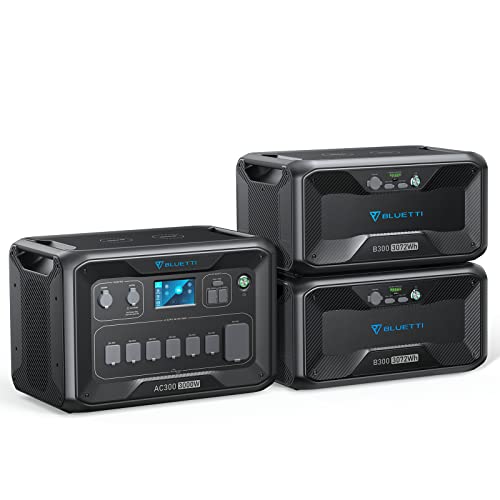
- BLUETTI AC300 + 2x B300K: 6144Wh LFP system, 3500+ cycles, modular expansion for whole-home or commercial LFP storage
- Jackery Explorer 1000 v2: 1070Wh LFP, 4000+ cycles, 1-hour fast charge, top portable LFP option from Jackery
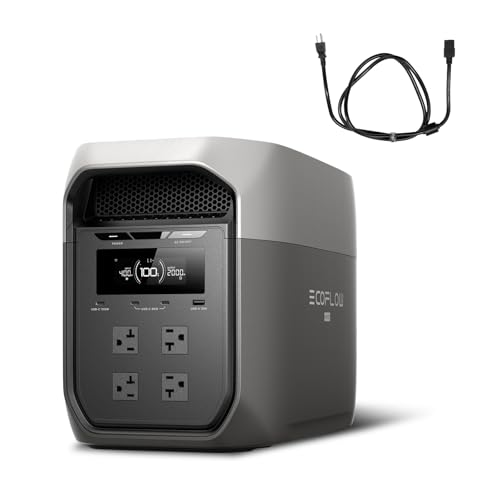
- EcoFlow DELTA 3 Max: 2048Wh LFP, 4000+ cycles, third-gen cells with 25% more durability than industry standard
LiFePO4 (Lithium Iron Phosphate, or LFP) is the battery chemistry that changed the solar generator industry. Before LFP became mainstream, portable solar generators used NMC (Nickel Manganese Cobalt) lithium cells that typically lasted 500 to 800 charge cycles before degrading to 80 percent capacity. LFP cells last 3,000 to 6,000 cycles under the same conditions. The practical difference: an NMC generator used daily degrades meaningfully in under 2 years. An LFP generator used daily lasts 8 to 16 years before showing the same degradation. For anyone who plans to use their solar generator regularly, LFP chemistry is not a premium feature. It is the baseline that every serious purchase should meet.
LFP chemistry also carries genuine safety advantages over NMC. LFP cells are chemically stable at high temperatures and do not enter thermal runaway (the exothermic chain reaction that causes lithium battery fires) under normal abuse conditions including puncture, overcharge, and short-circuit. This makes LFP generators appropriate for indoor use, vehicle storage, and deployment in enclosed spaces where an NMC battery fire would be catastrophic. All six units in this roundup use LFP cells, selected because they represent the best current implementations of the technology across different capacity tiers.
What to Look for in an LFP Solar Generator
Cycle count rating is the primary metric that differentiates LFP units. The industry standard for LFP cycle life is 2,000 to 3,000 cycles to 80% capacity. Premium LFP units using third-generation cells now reach 4,000+ cycles, which at one cycle per day is an 11-year lifespan before the battery drops below 80% of its rated capacity. A higher cycle rating is directly correlated with a longer ownership horizon and a lower total cost per kilowatt-hour over the product’s lifetime. When comparing two otherwise similar LFP units, the one with the higher cycle rating delivers more energy over its lifetime, making it the better financial value even at a higher upfront cost.
Cell generation matters within the LFP category. Third-generation LFP cells, which EcoFlow brands as Gen-3 and BLUETTI markets through its latest cell suppliers, offer improved energy density (more storage in the same physical volume), better cold-weather discharge performance, and higher cycle ratings than first and second-generation LFP cells. If a product listing does not specify the cell generation, look for the cycle count as a proxy: a 4000+ cycle rating almost certainly indicates a newer generation cell, while 2000 to 3000 cycles suggests an older formulation. For a broader look at how these units compare in real-world off-grid applications, the solar generators for off-grid living guide covers long-term daily-use scenarios in detail.
The expandable capacity ecosystem matters for long-term LFP ownership. LFP cells are well-suited to stationary storage applications where you may want to add capacity over time as your energy needs grow. Units with compatible external battery packs allow you to start with a base unit and expand later without buying a new generator. The BLUETTI AC200L, AC300, and Jackery 5000 Plus all support significant external battery expansion. If you anticipate your power needs growing or if you want the option to use the same generator for both portable and semi-permanent installations, expandability within the LFP ecosystem is a meaningful long-term advantage. See also the large solar generators guide for comparison with the highest-capacity LFP options available.
Solar input flexibility determines how effectively you can recharge from renewable sources. LFP chemistry is well-matched to solar charging because it tolerates partial states of charge without the sulfation damage that affects lead-acid batteries, and it does not require the long absorb-and-float charging cycles that NMC cells sometimes need. An LFP unit with 400W or more of solar input accepts a full day’s generation from a mid-size panel array and stores it efficiently. Higher solar input also means faster recovery when the panel array is oversized, which is useful for systems where you want to maximize fill rate during peak sun hours.
Reviews: Best LiFePO4 Solar Generators
BLUETTI Elite 100 V2 (with Solar Cable)
The BLUETTI Elite 100 V2 is BLUETTI’s most advanced 1kWh LFP platform and one of the best-in-class implementations of modern LFP technology in a portable form factor. The 4,000-cycle rating using the latest LFP cell generation represents a 10-plus year daily-use lifespan, and the unit’s 35% smaller chassis compared to previous-generation 1kWh units means more energy in less space. The solar cable bundle makes it straightforward to connect directly to a rooftop or portable solar panel for renewable charging without adapters. The 1200W AC TurboBoost charging fills the unit from flat to full in about 1.2 hours.
The LFP chemistry in the Elite 100 V2 is backed by a BMS (Battery Management System) that monitors cell temperature, voltage balance, and charge state continuously, preventing the overcharge and deep discharge conditions that accelerate aging in other lithium chemistries. In practice, an Elite 100 V2 used daily for 10 years should deliver close to its rated 1024Wh capacity throughout that period, degrading gradually rather than dropping off sharply as NMC units tend to do. The 30dB silent mode is a practical advantage for indoor use where NMC units running cooling fans would be disruptive. Check on Amazon
Best for: Daily-use LFP buyers who want the longest possible lifespan in a 1kWh package and prioritize cell generation quality and cycle count rating above all other specs.
BLUETTI AC180 + 560W Alternator Charger
The BLUETTI AC180 with a 560W alternator charger bundle combines 1152Wh of LFP capacity with the fastest vehicle-based charging option in this class. The 560W alternator charger draws from your vehicle’s alternator at up to 560W, recovering roughly 280Wh to 400Wh per hour of driving depending on alternator capacity and ambient temperature. This makes vehicle charging a genuinely practical recharge strategy for van lifers, mobile professionals, and anyone who spends meaningful time on the road between LFP charging opportunities.
The AC180’s LFP battery is rated for over 3,500 cycles to 80% capacity, translating to roughly 9 to 10 years of daily use. The 1800W AC output covers the full range of appliances a 1kWh unit can practically sustain, and the 2700W surge handles most compressor startup loads. BLUETTI’s implementation of LFP in the AC180 includes optimized charge curves that maximize cycle life by avoiding the top-of-charge stress that reduces longevity in aggressively charged batteries. Check on Amazon
“I have been using the AC180 for two years in my van. It charges while I drive every day and I have put about 700 cycles on it. The capacity has barely moved. I tested it against the rated spec and it is still above 1100Wh. LFP chemistry genuinely delivers on the cycle life promise.”
Best for: Van lifers and mobile workers who want the highest-cycle LFP chemistry with practical vehicle-based charging for daily use on the road.
BLUETTI AC200L
The BLUETTI AC200L is the most scalable LFP platform in the mid-range tier, combining 2048Wh of base capacity with the ability to expand to 8192Wh via external battery modules. The LFP battery carries a 3,000+ cycle rating, and the expandable architecture means the same battery management system and inverter serve a growing storage footprint as you add capacity. The 2400W output with 3600W Power Lifting mode covers a wide range of home and outdoor loads, and the native TT-30 30A outlet simplifies integration with RV and home generator wiring.
For buyers choosing between NMC and LFP at the 2kWh tier, the AC200L makes the long-term cost calculation clear. An NMC competitor at 800 cycles used daily degrades meaningfully in about 2 years. The AC200L at 3000 cycles used daily maintains performance for 8 years before degrading to 80% capacity. For a significant-cost item that you plan to own and use regularly, that cycle life difference is a meaningful financial argument in addition to the safety and cold-weather performance advantages LFP provides. Check on Amazon
Best for: Home and outdoor users who want a durable, expandable 2kWh LFP platform with a clear upgrade path to higher capacity as needs grow.
BLUETTI AC300 + 2x B300K
The BLUETTI AC300 system with two B300K battery modules represents the high-capacity end of the LFP portable generator category. The 6144Wh total capacity using LFP cells rated for 3,500+ cycles means this system can sustain daily whole-home use for 9 to 10 years before reaching 80% capacity. The modular design keeps the battery modules and inverter unit separate, reducing the weight of each individual component and allowing the system to be installed semi-permanently in a garage or utility room while retaining the ability to relocate if needed.
The AC300 charges at up to 3000W via AC and accepts 2400W of solar input, giving it one of the fastest absolute recharge rates available in a portable LFP system. The six 3000W AC outlets (6000W peak) cover any combination of home appliances without load shedding, and the system supports split-phase 240V operation when two AC300 units are configured together. For off-grid cabins, backup systems, and commercial applications where LFP longevity is a primary financial consideration, this system represents the highest-quality LFP investment in a portable form factor at this capacity tier. Check on Amazon
Best for: Off-grid cabin owners and commercial buyers who need high-capacity LFP storage with the longest possible cycle life and the ability to expand the system over time.
Jackery Explorer 1000 v2
The Jackery Explorer 1000 v2 uses a 4,000-cycle LFP battery in a 1070Wh, 26.4-lb package with a 1-hour fast charge capability. The 4000-cycle rating represents Jackery’s implementation of third-generation LFP cells, delivering 11-plus year daily-use lifespan in one of the most trusted portable generator brands in the market. The 1500W AC output handles most portable appliances, and the 1-hour charge time is among the fastest in the 1kWh class. For buyers who prefer Jackery’s ecosystem and want LFP chemistry in a proven portable platform, the Explorer 1000 v2 is the obvious choice.
The Explorer 1000 v2 also supports up to 400W of solar panel input, pairing naturally with Jackery’s SolarSaga panel lineup for renewable charging. For daily portable use across camping, overlanding, job sites, and home backup, the combination of 4000 cycles, 1-hour charge, and reliable Jackery build quality makes this unit a strong long-term value compared to NMC alternatives at similar capacity. Its compatibility with Jackery’s broader accessory ecosystem means accessories and solar panels purchased today will continue to work as the platform evolves. Check on Amazon
“I bought the Explorer 1000 v2 specifically because of the LFP chemistry and the 4000-cycle rating. I camp every weekend and this thing powers everything. Knowing it will last 10-plus years without the capacity drop I saw on my old NMC unit justifies the cost easily.”
Best for: Jackery ecosystem users and portable buyers who want the company’s best LFP implementation with 4000 cycles, 1-hour charge, and proven build reliability.
EcoFlow DELTA 3 Max
The EcoFlow DELTA 3 Max uses EcoFlow’s third-generation LFP cells, which the company rates for 4,000 cycles to 80% capacity and describes as offering 25% more durability than the industry LFP standard. At 2048Wh with 3400W X-Boost output, the DELTA 3 Max is the highest-output 2kWh LFP unit on this list. The 0-to-80% recharge in 1.1 hours via AC and up to 1000W of solar input make it one of the most charging-flexible LFP generators available at this capacity tier. EcoFlow’s track record of regular firmware updates and long-term app support means the DELTA 3 Max benefits from software improvements after purchase, a consideration for a product you intend to own for a decade.
The third-generation LFP cells in the DELTA 3 Max show measurably better performance in cold temperatures compared to earlier EcoFlow LFP generations, maintaining higher usable capacity at 32 degrees Fahrenheit and below. For buyers who will use their generator in multiple seasons including cold weather, the cell generation upgrade is a practical performance improvement, not just a marketing differentiator. The DELTA 3 Max is EcoFlow’s most complete argument for LFP as the default chemistry for all future solar generator purchases. For the full landscape of EcoFlow’s LFP lineup and how it compares to other brands, the portable solar generators guide covers cross-brand comparisons at every capacity tier. Check on Amazon
Best for: Performance-focused buyers who want the highest-output 2kWh LFP unit with third-generation cells and EcoFlow’s fast recharge ecosystem.
Frequently Asked Questions
What is the difference between LFP and NMC solar generators?
LFP (LiFePO4) and NMC (Nickel Manganese Cobalt) are two different lithium battery chemistries used in solar generators. LFP offers 3,000 to 6,000 charge cycles before degrading to 80% capacity, compared to 500 to 800 cycles for NMC. LFP is also chemically stable at high temperatures and does not enter thermal runaway under normal abuse conditions, making it significantly safer for indoor and vehicle storage. The trade-off is energy density: NMC stores more energy per kilogram, so an NMC unit is lighter than an equivalent-capacity LFP unit. For applications where long-term daily use, safety, and 10-plus year lifespan matter more than minimizing weight, LFP is the better choice. For ultra-lightweight applications where the generator is carried by hand on every trip, NMC may still be justified by its weight advantage.
How long does an LFP solar generator last?
At one full charge cycle per day, an LFP generator rated for 3,000 cycles reaches 80% of its original capacity in about 8 years. A unit rated for 4,000 cycles reaches the same threshold in about 11 years. After that degradation point, the battery continues to function but delivers less usable energy per charge. Most users will find the unit still practical for years beyond the 80% threshold. In practice, most households and outdoor users do not complete a full charge cycle every single day, meaning real-world lifespan often exceeds the rated cycle count. LFP generators purchased today are realistically expected to remain functional for 10 to 20 years under typical use patterns.
Final Verdict
LFP chemistry is the correct choice for any solar generator buyer who plans to use the unit regularly over a multi-year horizon. The long-term cost difference between an LFP and NMC generator of the same capacity is stark: LFP delivers 4 to 8 times more total energy over its lifetime, making it dramatically lower cost per kilowatt-hour delivered even at a higher upfront price. For most buyers, the cycle life advantage alone justifies the premium over NMC at every capacity tier.
Among the six units reviewed here, the BLUETTI Elite 100 V2 with Solar Cable and the EcoFlow DELTA 3 Max represent the strongest LFP implementations in their respective capacity classes. The BLUETTI AC200L and AC300 system lead the expandable mid-to-high capacity segment. The Jackery Explorer 1000 v2 is the portable standard for LFP in a compact form factor. Any of these units will provide reliable LFP storage for a decade or more of regular use, which is the core promise of LFP chemistry and the main reason to choose it over the alternatives.





Write Your Review
No reviews yet. Be the first to share your experience!