

In order to decide what kind of generator you need, you have to determine what exactly you need it for. This will allow you to outline the technical features you need to focus on when comparing camping generators available on the market.
Answering the following questions would help you understand your needs better:
- How many devices do you need to power with your camping generator?
- How long do you need it to run on a single tank of fuel?
- What kind of fuel do you prefer to use?
- Where would you install this device?
- Do you plan to use it as a camping generator only?
- What kinds of devices you would need to power up (which outlets you need)?
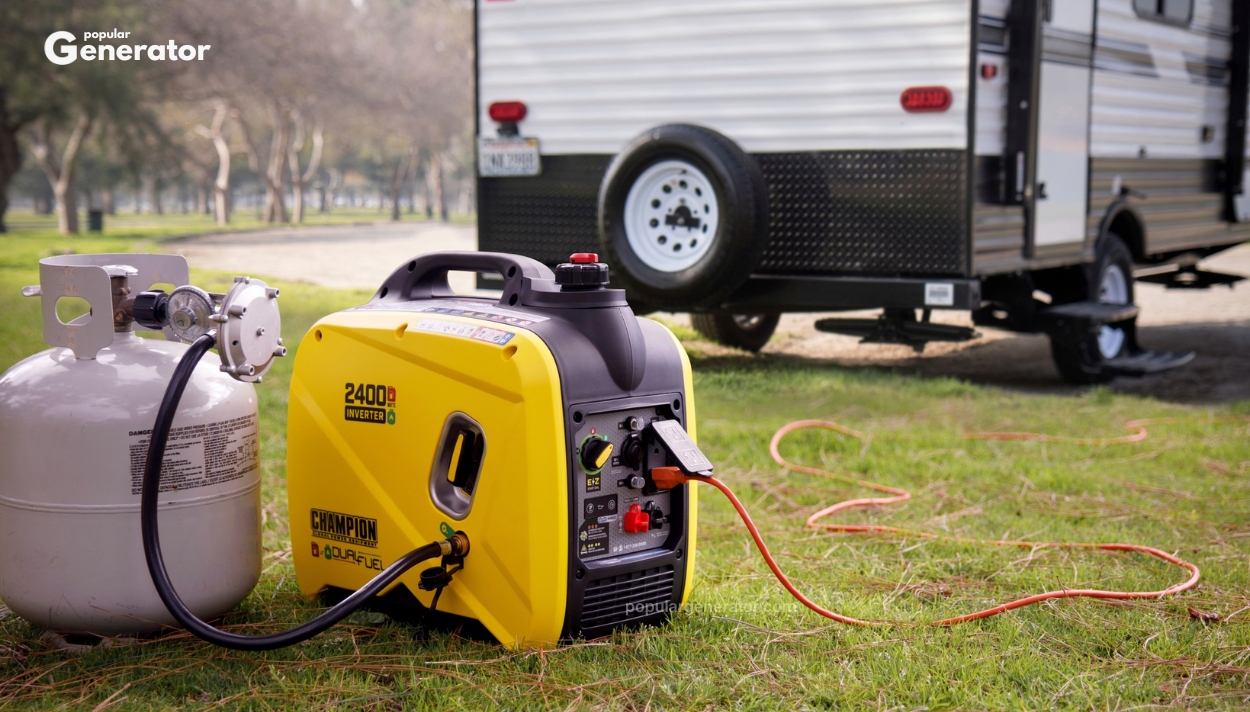
There are three main reasons why people buy small generators for camping. The first is camping, and in this case, you need to look for a quiet and lightweight model. Aside from this, these power tools can be used as a backup power source for home and as a portable generator for construction sites. In these situations, the power output would be the most important feature.
For those who want to learn expert reviews, keep reading with us. We have an expert buying guide at the end that will answer all of your questions. Let us start with a comparison table.
6 Best Camping Generators








What Size Generator Do You Need for Camping?
Choosing the right generator size is the most important decision when buying a camping generator. Too small, and it won’t power what you need. Too large, and you’ll waste money, fuel, and portability.
To calculate the right size:
- Add up the running watts of all devices you plan to use at the same time
- Check the starting watts (surge watts) for anything with a motor (like an AC or mini fridge)
Below is a practical breakdown based on real camping scenarios.
For Tent Camping (Small Setup)
For a small tent camping setup, a generator in the 1,000–2,000 watt range is ideal, typically an inverter type for quiet, efficient power. This size easily powers essentials like LED lights, phone/laptop chargers, fans, and small fridges, while weighing under 50 lbs for easy portability.
- Minimalist (500-1,000W): Sufficient for charging phones, running lights, a CPAP machine, or a small fan.
- Comfort/Small Setup (1,000-2,000W): Best for powering a coffee maker, portable fridge/cooler, laptops, and lighting simultaneously.
- Small Cabin/Glamping (2,000W+): Required if running a small electric heater or microwave.
For RV Camping
For most RV camping, a 2,000 to 4,000-watt inverter generator is ideal, with 3,000–4,000W covering basic appliances and one AC unit, while 5,000+W is needed for larger, 50-amp rigs. Small trailers (under 20ft) often only need 2,000–3,000W, whereas 50-amp, 30-40ft trailers need 5,000–7,500W to run multiple air conditioners.
Generator Sizing by RV Type & Needs
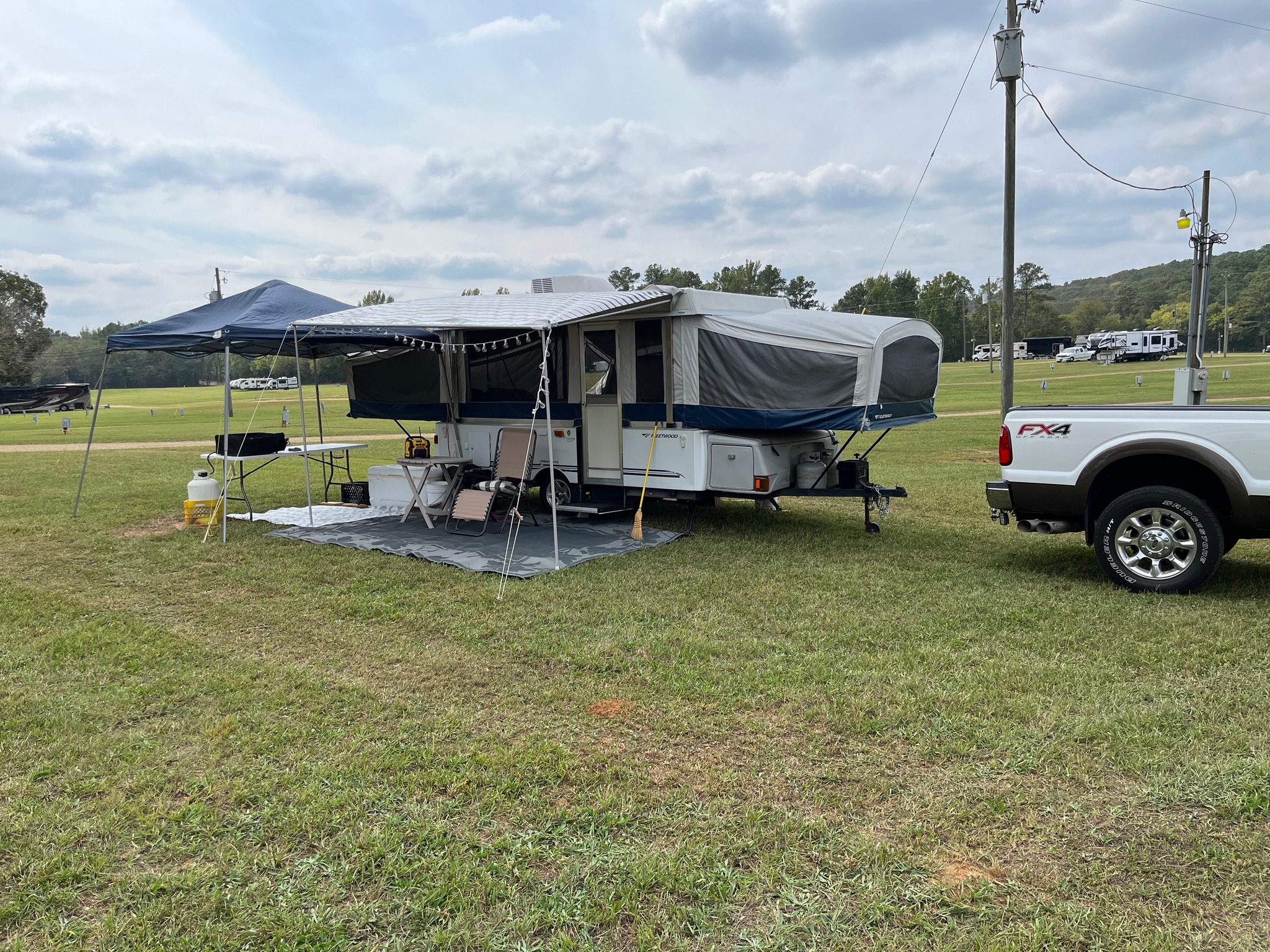
- Small Trailers/Pop-ups (<20ft, 30-amp): 2,000–3,000W (e.g., Honda EU2200i) runs lights, fridge, and charges devices.
- Mid-size/Class C (20-30ft, 30-amp): 3,000–4,000W covers one 13,500 BTU A/C unit.
- Large 5th Wheels/Class A (30-40ft, 50-amp): 5,000–7,500W is required to power two AC units and large appliances.
- Boondocking/Off-grid: A 3,000–4,000W generator is usually sufficient for essentials and occasional A/C use.
For Running an Air Conditioner
For camping and running an RV air conditioner, you generally need a 3,000 to 4,000-watt inverter generator to comfortably handle the starting surge of 13,500–15,000 BTU units. For smaller portable/window units (5,000–8,000 BTU), a 1,500–2,000W generator is sufficient, while a “soft start” kit allows 2,200W units to run larger RV ACs.
- Small (5,000–8,000 BTU Window/Portable): 1,500 – 2,000 Watts.
- Medium (9,000–13,500 BTU RV AC): 2,000 – 3,000 Watts.
- Large (15,000+ BTU RV AC): 3,000 – 4,000+ Watts.
For most RVers, a 3,500W inverter generator is the “sweet spot” for running the AC, along with a few other small appliances like lights or a phone charger.
Wattage Chart (Common Camping Appliances)
Here’s a quick reference chart to estimate your power needs:
| Appliance | Running Watts | Starting Watts |
|---|---|---|
| LED Light | 10–20W | , |
| Phone Charger | 5–10W | , |
| Laptop | 60–100W | , |
| Small Fan | 50–100W | 150W |
| Portable Fridge | 60–100W | 200–300W |
| Microwave | 800–1200W | 1200–1500W |
| Coffee Maker | 800–1000W | , |
| RV Air Conditioner (13,500 BTU) | 1500–1800W | 2800–3500W |
Types of Camping Generators Explained
Not all camping generators work the same way. The right choice depends on how you camp, how much power you need, and how important noise level and portability are to you.
There are three main types of camping generators: gas-powered, solar (portable power stations), and dual fuel. Here’s how they compare.
1. Gas Powered Generators
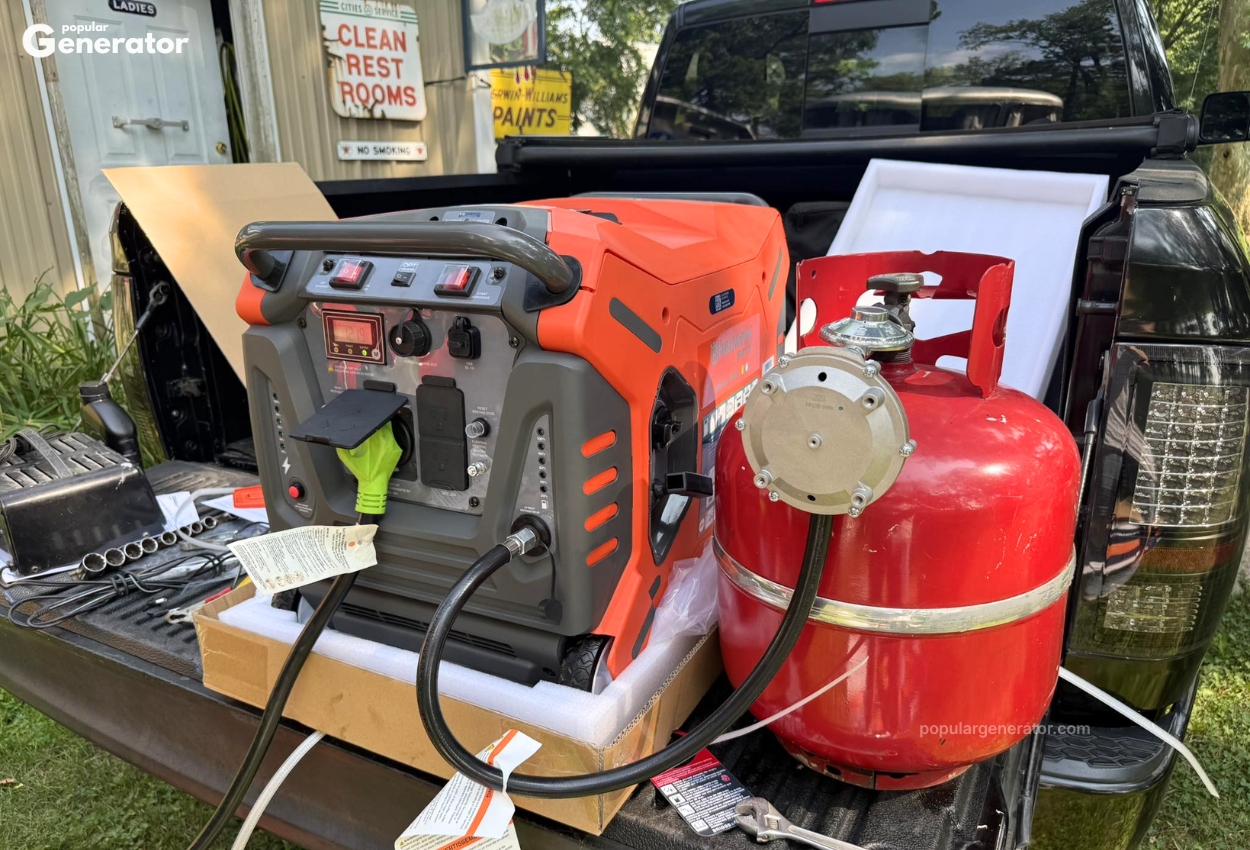
Gas powered generators are the most common option for camping. They run on gasoline and typically deliver strong power output for the price.
Why Choose Gas
- Higher wattage capacity which is ideal for RVs and air conditioners
- More affordable than high capacity solar systems
- Easy to refuel at almost any gas station
- Reliable performance for heavy loads
Downsides
- Louder than solar generators
- Require gasoline storage
- Produce exhaust fumes and must be used outdoors
- Need periodic maintenance
- Best For
RV camping
- Running an air conditioner
- Longer trips that require steady high power
- Buyers who want maximum watts for the money
If you need 2000 to 3500 watts or more, gas is usually the most practical solution.
2. Solar Generators Portable Power Stations
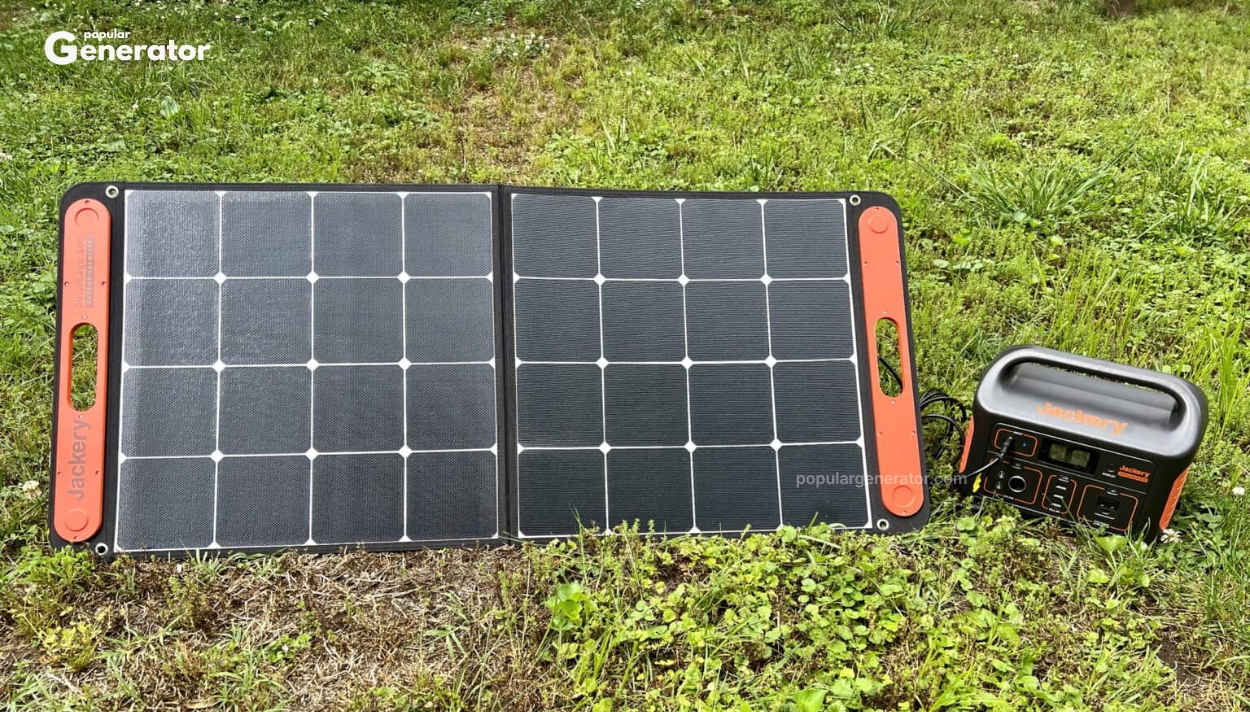
Solar generators use rechargeable lithium batteries instead of fuel. They can be charged from a wall outlet, your vehicle, or solar panels.
Why Choose Solar
- Completely silent operation
- No fumes or emissions
- No fuel required
- Very low maintenance
- Ideal for campgrounds with strict noise rules
Downsides
- Limited power capacity compared to gas models
- Higher upfront cost
- Slower recharge time when using solar only
Best For
- Tent camping
- Weekend trips
- Charging electronics and small appliances
- Campers who prioritize quiet operation
If you only need 500 to 1500 watts and want a simple plug and play solution, solar is often the best choice.
3. Dual Fuel Generators
Dual fuel generators can run on either gasoline or propane. This gives you more flexibility during longer trips.
Why Choose Dual Fuel
- Ability to switch between gasoline and propane
- Propane burns cleaner than gasoline
- Propane has a longer shelf life for storage
- Good balance of power and versatility
Downsides
- Slightly heavier than single fuel units
- A bit more complex to operate
- Propane may produce slightly lower wattage than gasoline
Best For
- Extended camping trips
- Emergency backup use at home and camping
- Campers who want fuel flexibility
- Off grid setups
If you want flexibility and backup fuel options in one machine, dual fuel is a smart long term investment.
Quietest Camping Generators Under 60 dB
If you camp at national parks or established campgrounds, noise matters. Many campgrounds enforce quiet hours, and loud generators are one of the biggest complaints from other campers.
If you are searching for a quiet camping generator, here is what you need to know.
What is considered quiet for camping
Generator noise is measured in decibels or dB.
- 50 to 55 dB equals the sound of normal conversation
- 60 dB equals background music in a restaurant
- 70 dB and above starts to feel loud and disruptive
For camping, anything under 60 dB is considered quiet and campground friendly. The sweet spot is 48 to 58 dB.
Most quiet generators today are inverter generators, not conventional open frame models.
Top 5 Camping Generator Reviews
1. WEN 56200i
WEN has been producing exceptional power tools for years and the WEN 56220i model is an admirable addition to their product line. This is the best camping generator for everyone who values efficiency and reliability in a tool. It can provide you with power for 6 hours straight when running on half the load.
The 79.7cc inverter engine is top-notch and very quiet, which is essential for camping generators as they mustn’t be noisy so as not to interrupt your sleep. It only produces about 51 dB of noise when running at a quarter load. This is only a little bit noisier than the rustling of the leaves (40 dB) and quieter than a regular conversation (60 dB).
The WEN 56220i has a 1-gallon fuel tank and weights only 48 pounds, which means it’s easy to take it with you on a trip. Note that this camping generator has the Eco-Mode feature that helps you save fuel by automatically adjusting the tool’s performance to the required output.
As the WEN 56220i is an inverter camping generator, you can charge any sensitive electronics directly from it. The generator offers 2,000W surge and 1,600W running power.
WEN 56220i outlets:
- One 12V DC 8.3A
- One 5V USB Port
- Two 120V 20A 3-prong
Check out the current Amazon price for the WEN 56200i.
2. Westinghouse WH2400i
The WH2400i from Westinghouse is one of the best small generators for camping because it’s highly fuel efficient and durable. Westinghouse is a reputed manufacturer of generators that has proven the reliability and quality of all their products over the years. They’ve always been focused on ensuring maximum power, and this is exactly what the WH2400i offers. This is the best camping generator for you if you need to get more than the average 1,600W. This model can provide 2,100W running power and 2,400W surge, which sets it apart from the competitors.
This power, comes with a price, which is the higher level of noise. However, even when running on half the load, it generates only 59 dB of it. This is close to the level of regular conversation and very similar to the characteristics of similar but less powerful devices.
The fuel tank on this camping generator is 1.3 gallons and it can have the engine running for 11 hours on a quarter load. The engine itself is highly efficient as well as CARB and EPA compliant.
WH2400i outlets:
- One 12V DC
- Two USB
- Two 120VAC
- High-efficiency run mode
- Works for 11 hours on a single fuel tank at 25% load
3. Goal Zero 22004 Yeti 150
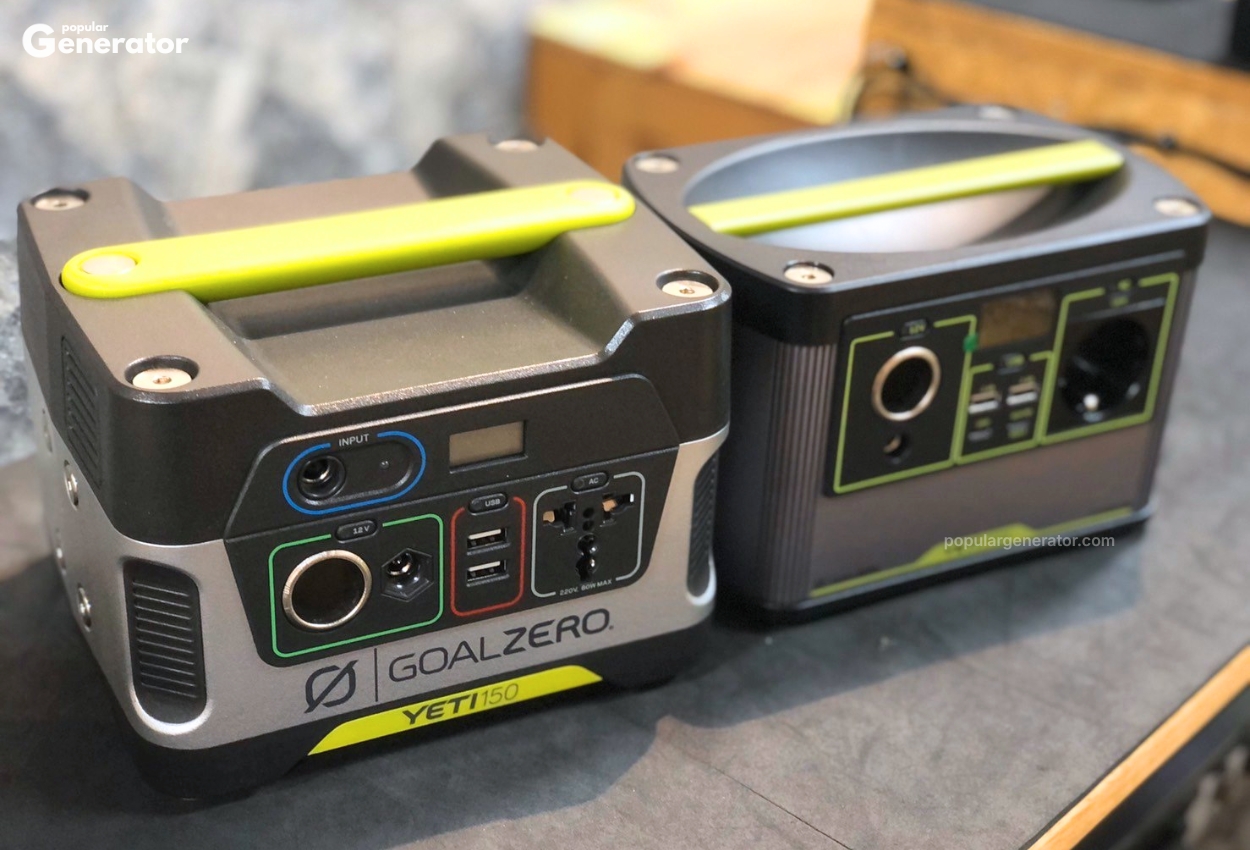
This extra-small camping generator from Goal Zero is indeed perfect for camping and hiking. It’s very small and weights only around 12 pounds. In essence, it’s an extra-durable battery that can power up all your most important gadgets while you are away from the grid. Note that unlike the vast majority of small generators for camping, the Yeti 150 doesn’t run on gas. It’s an electrical battery that needs recharging from the grid or a car (12V adapter).
However, if you purchase a compatible solar panel, you’ll be able to charge it directly from the sunlight. The device would take about 17 hours of sunlight for a full charge. This might seem too long, but if you are an environmentally-conscious person, this would be the wisest solution.
As the Yeti 150 is an inverter generator, it’s perfectly safe for sensitive gadgets, such as smartphones, laptops, GPS navigators, and even cameras. You won’t need any extra equipment to ‘adapt’ the power output from it, so you’ll only have to take a suitable charging cord with you on a trip. The device’s capacity is 14,000 mAh.
Yeti 150 vs. Yeti 200X
When comparing the Yeti 150 and the Yeti 200X, the differences are pretty clear once you look at the specs. The Yeti 150 uses a 168Wh AGM lead-acid battery and weighs about 12 pounds, while the Yeti 200X upgrades to a lighter 187Wh lithium-ion battery and weighs just 5 pounds.
That alone makes the 200X much easier to carry for camping or road trips. In terms of output, the Yeti 200X delivers 200W of continuous power (200W surge), compared to 150W continuous (160W surge) on the Yeti 150, giving it a bit more flexibility for small appliances and sensitive electronics. Charging is also faster and more efficient on the 200X, thanks to MPPT solar input and about 4 hours to recharge from a wall outlet, versus roughly 6 hours for the 150.
The 200X adds modern features like a clear LCD battery percentage display and a 60W USB-C Power Delivery port, while the 150 sticks with a basic LED indicator and older-style ports. Overall, the Yeti 200X is a more advanced, efficient, and portable upgrade, though the Yeti 150 does have the advantage of a replaceable battery for longer-term maintenance.
Yeti 150 outlets:
- One 120V AC port
- Two USB ports
- One 12 DC
- 150Wh, 14000mAh capacity
4. Honda EU1000i
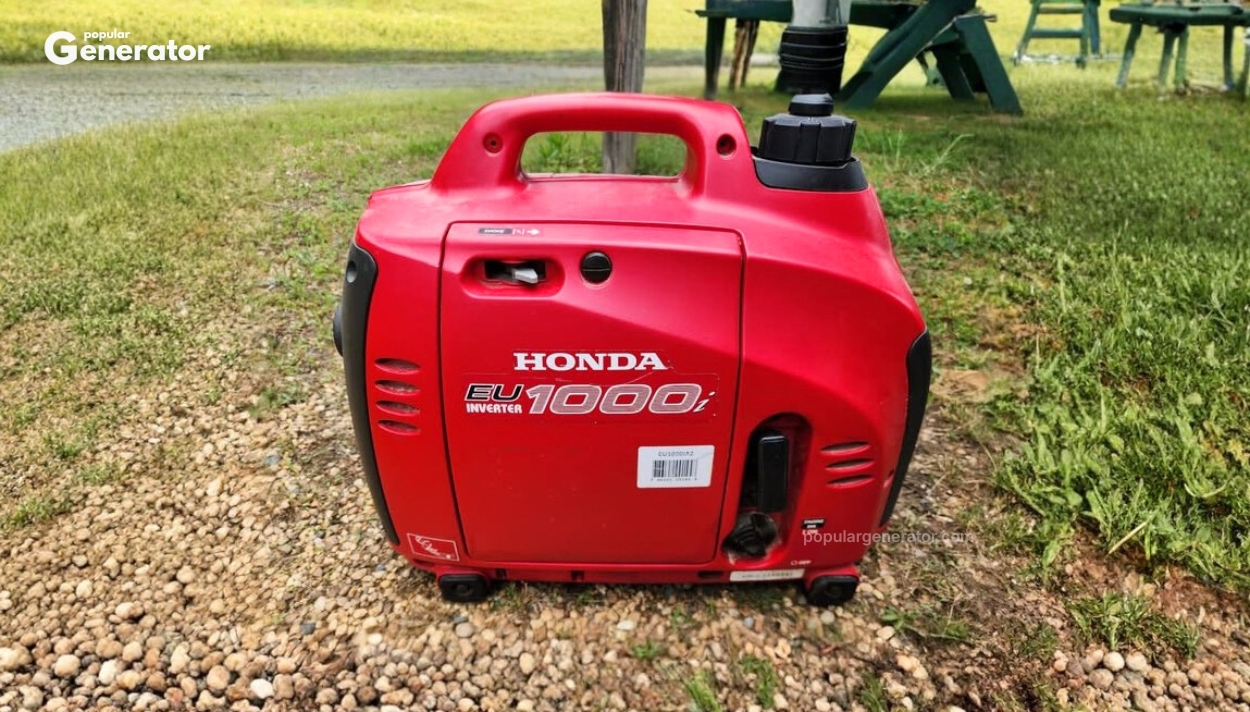
The Honda EU1000i is a tiny power tool only capable of providing 1,000W of power. However, it’s the fact that the device is so small that makes it such as huge hit among the best generators for camping. This device is one of the most mobile of its kind as it only weighs 29 pounds and has a great handle that makes carrying it around easy.
The fuel tank capacity in this camping generator is only 0.6 gallons, but its overall power efficiency is so high that it can run over 8 hours on this small amount of gas (at a quarter load). Due to its small size and low power output level the Honda EU1000i is also very quiet with its highest noise level being 59 dB and the regular (1/4 load) 53 dB.
The Honda EU1000i is equipped with an inverter, so you can charge smartphones and laptops from it without the risk of them getting damaged with power surges.
The device has the Eco-Throttle feature that allows for efficient energy saving and a top-quality Honda motor that is sure to serve you well for years.
Honda EU1000i outlets:
- One 12V DC
- Two 120V AC 3-prong
- 1000 watts, 120V
- Runs for 3.8-8.3 hours on a single tank, depending on the load %
Check out the current Amazon price for the Honda EU1000i.
5. Yamaha EF2000iSv2
Yamaha is a well-respected name on the power tools market and their generators are always top-notch. The EF2000iSv2 is a fine example of this tradition and definitely the best generator for camping if you are looking for one that is as stylish as it is efficient. Its power output is on par with the majority of tools in its class, meaning it offers 2,000W surge and 1,600W running power.
However, unlike many models with similar characteristics, the EF2000iSv2 is truly super-quiet and features a specialized muffler that cuts down its noise level to 51.5 dB.
The high-quality motor is sure to perform for years and this camping generator reviews state that the device is extremely reliable. It has the Smart Throttle feature for increased fuel efficiency as well as an advanced PWM (Pulse Width Modulation) inverter control. Therefore, you can be perfectly sure that your gadgets run by microcomputers are safe when you charge them from this camping generator.
The EF2000iSv2weighs 45 pounds and has a great handle for easy transportation. Its retro design is amazing and it can run for 10 and a half hours on a single fuel tank (1/4 load).
EF2000iSv2 outlets:
- One DC
- Two 120V AC
- Runs for 10.5 hours at ¼ rated load on a single tank of gas
Are Solar Generators Better for Camping?
Solar generators are generally better for camping due to being silent, odorless, eco-friendly, and low-maintenance, making them ideal for peace and quiet in nature. They are excellent for powering lights, phones, and camping fridges, but they are less suitable for high-power, long-term heating or heavy appliance use compared to gas generators.
- Quiet & Fume-Free: Unlike gas generators, solar generators operate silently and produce no emissions, preserving the peaceful atmosphere of the campsite.
- No Fuel Needed: They rely on renewable energy, eliminating the need to carry heavy, flammable fuel canisters.
- Low Maintenance: They have few moving parts and last for years, often holding a charge for 25–35 years.
- Portability & Convenience: They are generally lighter and easier to manage than traditional generators, with many options for smaller, portable units, and can be recharged via solar panels, car ports, or wall outlets.
- Versatility: They provide clean,, reliable, and versatile power for diverse applications like charging phones and laptops or running small appliances.
Overall, if your goal is sustainable, quiet, and convenient power for moderate needs, a solar generator is the superior choice for camping.
FAQs About Camping Generators
1. What is the best camping generator for the money?
The best camping generators for the money in 2026 are the Briggs & Stratton P2500 (best value inverter), Champion Power Equipment (best dual-fuel value), and Gentrax 1.2kW (best ultra-portable). These units offer the best balance of quiet operation, reliability, and power for typical camping loads at a lower price point than top-tier brands like Honda.
2. Can I run a 13,500 BTU RV AC with a generator?
Yes, you can run a 13,500 BTU RV AC with a generator, typically requiring a unit with a minimum of 3,000 to 4,000 running watts to handle the startup surge. A 2,200-watt generator can work if you install a soft start kit, which reduces startup power draw.
- Generator Size: A 3,000-watt or larger inverter generator is ideal for consistent, safe operation.
- Startup Surge: 13,500 BTU units often require over 2,700–3,500 watts to start, but only about 1,250–1,500 watts to run.
- Soft Start Kit: Installing a soft start on your AC is highly recommended, allowing smaller generators (e.g., 2200W) to handle the initial surge.
- Power Management: Turn off other high-draw appliances (microwave, water heater, converter/fridge) when starting the AC.
Using a generator with at least 3,000 watts ensures the AC operates reliably without overloading the unit.
3. How loud can a generator be at a campground?
Most campgrounds, particularly national parks, require generators to operate under 60 decibels (dB) at a distance of 50 feet. This noise level is roughly equivalent to a normal conversation or a quiet office environment. Many locations also enforce strict, limited hours for generator usage, often banning them during quiet hours.
4. Is 2000 watts enough for camping?
2000 watts is generally sufficient for basic to moderate camping, powering essential items like coffee makers, laptops, CPAP machines, fans, lights, and small portable fridges. It can run one large appliance (e.g., a small 13,500 BTU A/C) or a microwave, but not both simultaneously, and it is usually too small for heavy-duty items like electric water heaters or furnaces.
5. Are solar generators worth it?
Solar generators are generally worth it for camping, RVing, and, most importantly, as a, quiet, low-maintenance, and fume-free backup power source for essential home devices. While they have a higher upfront cost than gas generators and rely on sunshine for recharging, they offer long-term savings on fuel and maintenance.
Final Verdict: Best Camping Generators of 2026
When shopping for the best camping generator, you should determine what features matter the most for you first and seek a model that meets your personal requirements. Decide how much power you will need and go from there as output is the most important characteristic of any power tool.
You also need to take the fuel capacity and efficiency into account, because this determines how long your generator would be able to run.
The Honda EU2200i is the overall best camping generator for its unmatched reliability, quiet operation, and compact design. For high-power needs, the Gentrax 3.5kW (or GTX4200 Pro) is top-rated. Solar alternatives like the Fossibot F3600 Pro offer emission-free, high-capacity power for extended trips.


Write Your Review
No reviews yet. Be the first to share your experience!