


Quick Picks: Best 500 Watt Solar Generators
- Best Fast-Charge 500Wh: EcoFlow RIVER 2 Max 500 – 499Wh, 1000W output, X-Stream wall charging fills it in under 1 hour
- Best Updated Platform: Jackery Explorer 500 v2 – 512Wh LiFePO4, 1000W peak, current-generation 500Wh from Jackery with improved battery chemistry
- Best Output at 500Wh: BLUETTI EB55 – 537Wh, 700W continuous with 1400W peak, the highest AC output in the 500Wh class
- Best Ecosystem Integration: Goal Zero Yeti 500X – 497Wh, full Boulder/Nomad panel compatibility, 300W output covers essential camping loads
- Best Compact Value: Anker 536 – 508Wh, 500W output, Anker build quality at competitive 500Wh class pricing
- Best High-Output Value: VTOMAN FlashSpeed 600 – 499Wh, 600W continuous with 1200W peak, high output at accessible pricing
The 500Wh solar generator class spans the gap between compact 300Wh travel stations and the 1000Wh tier that begins to cover multi-night camping needs and home backup. At 500Wh, a station runs a CPAP for two consecutive nights, charges all travel devices multiple times over a weekend, sustains a 12V compressor cooler for 8-10 hours, and powers LED lighting through an overnight camping stay. It is the practical minimum for multi-day camping trips where a single overnight charge is not enough but a full 1000Wh station is more weight and bulk than desired.
The differentiation within the 500Wh class is wider than most buyers expect. Output wattage ranges from 300W to 1400W across the same 500Wh capacity range — a gap that determines whether the station runs a blender, a small induction cooktop, or only standard charging and lighting loads. Wall recharge speed varies from 1 hour to 6+ hours. Some stations use LiFePO4 chemistry with 3000+ cycles; others use NMC with 500-800 cycles. Buyers who understand these differences make significantly better decisions than those who compare only the watt-hour number on the label.
The 500Wh sweet spot for camping is a 12V compressor cooler (45-55W average draw) running continuously alongside phone and laptop charging throughout a weekend trip. A 500Wh station covers the cooler for approximately 8-10 hours on battery alone. With a 100-200W solar panel recharging during the day, the combined system covers the cooler indefinitely in good sunlight — providing genuine off-grid refrigeration for a full weekend.
What 500Wh Powers for Camping
CPAP without humidifier for two nights, 12V compressor cooler 8-10 hours, drone battery (5-6 charges), laptop (6-8 charge cycles), smartphone (15-25 charges), camera battery (20+ charges), LED string lights all night, portable speaker full weekend. For home backup scenarios at 500Wh, coverage is limited — a refrigerator averages 150W and consumes the full 500Wh in approximately 3 hours. The 500Wh class serves camping best; for home backup, the 1,000-watt solar generator guide covers the minimum practical home backup tier.
Best 500 Watt Solar Generators – Reviewed
EcoFlow RIVER 2 Max 500 – Speed Champion at 500Wh
The EcoFlow RIVER 2 Max 500 at 499Wh and 1000W output recharges from 0 to 100% in under one hour from a standard wall outlet — the fastest recharge speed in the 500Wh class. For travelers and campers who have limited wall access time between activities, or who want to pre-charge fully before leaving for a weekend trip with no guaranteed recharge access, this speed difference is a practical daily-use advantage. The 1000W output doubles the appliance capability of base 500W output stations, handling induction cooktops at low setting, small hair dryers, and all standard charging loads simultaneously.
X-Boost technology allows appliances rated up to 1000W to run from the station even under demanding conditions. LiFePO4 chemistry provides 3000+ cycle longevity for frequent users. EcoFlow’s solar panel lineup covers the RIVER 2 Max 500 with documented recharge time data. For buyers who prioritize the fastest wall recharge in the 500Wh class for travel use, the RIVER 2 Max 500 is the speed benchmark.
Best for: Travelers with limited wall outlet access who want the fastest 500Wh recharge available, campers who want 1000W output for induction cooking at the 500Wh capacity, EcoFlow ecosystem users who want the 500Wh station with RIVER-compatible accessories.
Jackery Explorer 500 v2 – Current-Gen LiFePO4 at 500Wh
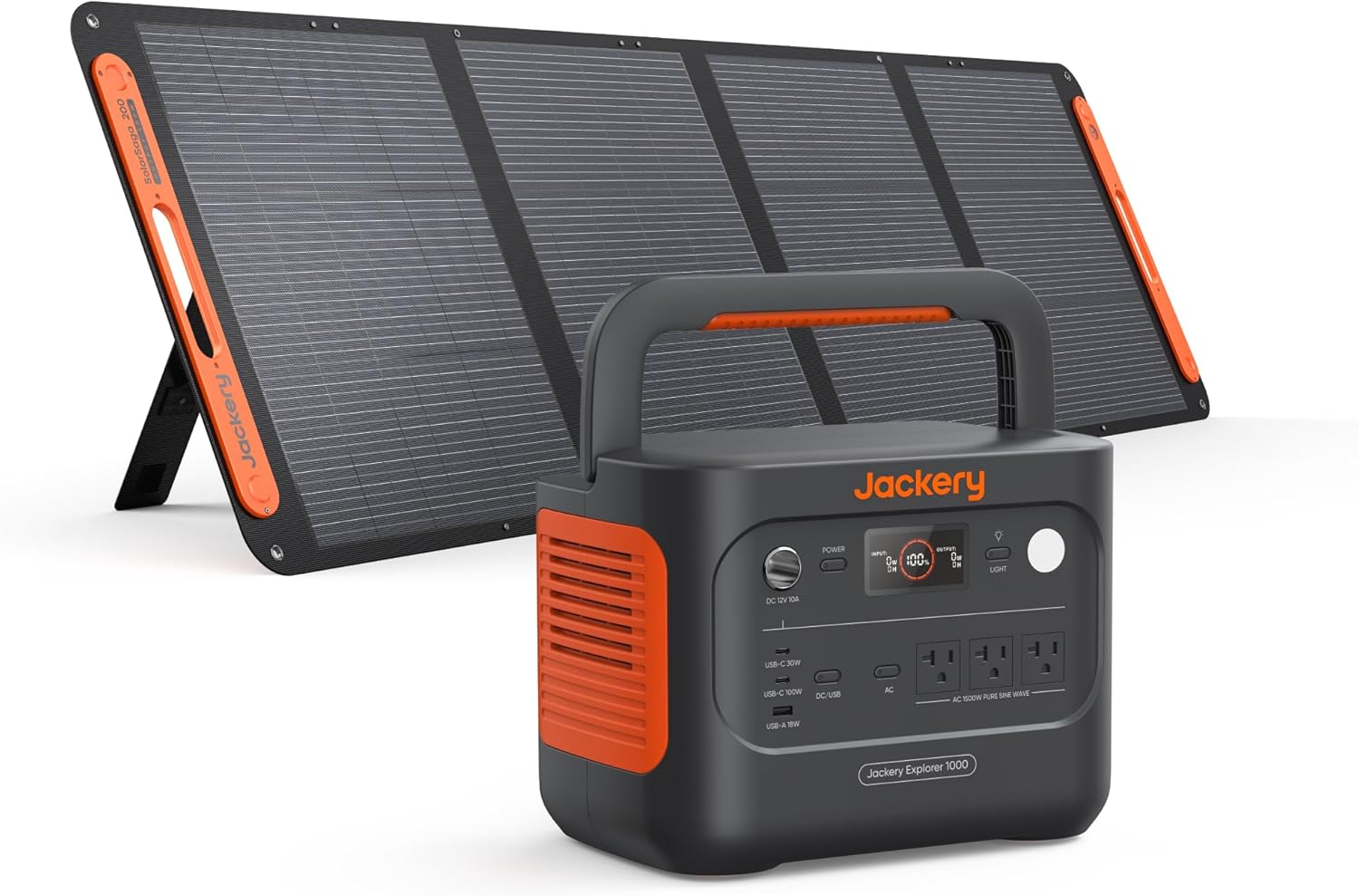
The Jackery Explorer 500 v2 upgrades the original Explorer 500 with LiFePO4 battery chemistry and a 1000W peak output — bringing the 500Wh class Jackery platform in line with current-generation standards. At 512Wh and 500W continuous (1000W peak), it handles all standard 500Wh use cases with the battery longevity to sustain regular use over many years. LiFePO4 chemistry provides improved thermal stability in hot vehicle environments and extended cycle life compared to the NMC chemistry of older 500Wh stations.
Jackery’s SolarSaga panel compatibility documentation covers the Explorer 500 v2 with recharge time estimates. A 100W SolarSaga panel recharges the 512Wh station in approximately 5-7 hours of direct sun — covering a full day of camping use with morning deployment of the panel. For Jackery ecosystem users who want the current-generation 500Wh platform, or for buyers who want LiFePO4 longevity at the 500Wh class from a well-documented brand, the Explorer 500 v2 is the correct current choice.
Best for: Jackery ecosystem users who want the 500Wh entry point with LiFePO4 chemistry and SolarSaga panel compatibility, buyers upgrading from an older 500Wh NMC station who want the long-cycle LiFePO4 platform, campers who use the station regularly and benefit from the improved thermal stability in hot environments.
BLUETTI EB55 – Highest Output at 500Wh
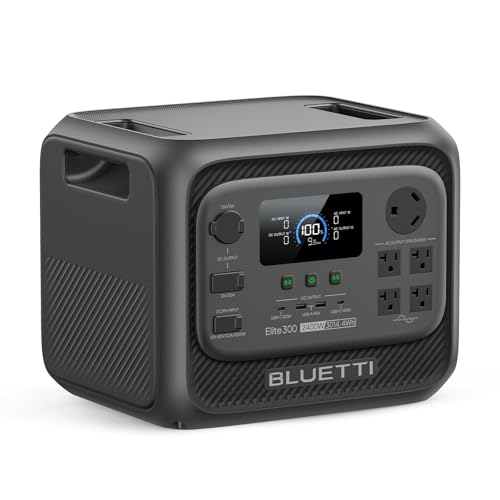
The BLUETTI EB55 at 537Wh delivers 700W continuous and 1400W peak output — the highest AC output of any station in the 500Wh class. The 700W continuous enables appliances that other 500Wh stations with 300-500W output cannot run: a small hair dryer at low setting (400-600W), an induction cooktop at a meaningful cooking temperature (600-700W), and a small blender at full power. For campers who want genuine cooking capability from a 500Wh station, the EB55’s 700W continuous output is the enabling specification.
At 1400W peak, the EB55 handles the startup surge of appliances with motor loads that exceed continuous output stations. LiFePO4 chemistry provides 3500-cycle longevity. BLUETTI’s solar input accepts compatible panel arrays for outdoor recharge. The 537Wh capacity is the highest on this list, providing marginally more runtime than the 497-512Wh alternatives at the same load. For buyers who prioritize maximum output wattage in the 500Wh class for cooking, high-draw tools, or maximum appliance flexibility, the EB55 is the correct choice. For a broader look at BLUETTI’s lineup, see the BLUETTI solar generator guide.
Best for: Campers who want genuine cooking capability (induction cooktop, blender) from a 500Wh station, anyone who needs 700W continuous output for motor loads or high-draw appliances at this capacity, buyers who want the highest capacity (537Wh) alongside the highest output in the 500Wh class.
Goal Zero Yeti 500X – Ecosystem Depth at 500Wh
The Goal Zero Yeti 500X at 497Wh is the 500Wh station for buyers building within the Goal Zero ecosystem. At 300W output, the Yeti 500X has the lowest AC output on this list — adequate for charging and lighting loads but not for cooking or high-draw appliances. What it provides in return is full compatibility with Goal Zero’s Boulder and Nomad panel lineup, Power Link connections for multi-station expansion, and the widest ecosystem accessory depth in the 500Wh class.
For existing Goal Zero users who want the 500Wh entry point that integrates with their current panels, or for buyers who are starting a Goal Zero ecosystem and want the correct foundation station at this capacity, the Yeti 500X covers the standard 500Wh use cases — camping, CPAP, device charging — with the ecosystem backing that makes future expansion straightforward. The 300W output limitation is only relevant for users who want high-draw appliance capability; for standard camping and charging use, 300W is fully adequate.
Best for: Goal Zero ecosystem users adding the 500Wh tier with full panel and accessory compatibility, buyers who plan to connect multiple Yeti stations via Power Links for combined capacity, anyone whose primary load is standard camping charging and lighting where 300W output is adequate.
Anker 536 – Reliable 500Wh at Competitive Pricing
The Anker 536 Portable Power Station at 508Wh and 500W output covers all standard 500Wh camping use cases — device charging, CPAP, lighting, and 12V cooler operation — with Anker’s build quality and customer support at pricing that regularly undercuts comparable Brand-name alternatives in the class. For buyers who want a proven 500Wh station from an established brand without paying a premium for the latest-generation features, the Anker 536 is the straightforward value choice.
Anker’s warranty and support infrastructure back the 536 with accessible customer service for any issues. Compatible solar panels allow outdoor recharging. At 500W output, the station handles standard 500Wh loads reliably. For first-time solar generator buyers at the 500Wh tier who want a proven product from a well-known brand at competitive pricing, the Anker 536 offers exactly that without the complexity of feature comparison between more differentiated competitors.
Best for: First-time solar generator buyers who want Anker reliability at accessible 500Wh pricing, anyone who wants a straightforward 500Wh station without complex feature tradeoffs, Anker ecosystem users who want a 500Wh compatible station.
VTOMAN FlashSpeed 600 – High-Output Value at 500Wh
The VTOMAN FlashSpeed 600 delivers 499Wh capacity with 600W continuous and 1200W peak output at competitive pricing — matching or exceeding the output specifications of established brand competitors at a lower typical cost per watt of output. The 600W continuous output enables cooking and high-draw applications that base 500W stations handle only marginally, and the 1200W peak clears startup surges for motor-load appliances reliably. For value-focused buyers who want high output at the 500Wh class without premium brand pricing, the FlashSpeed 600 consistently delivers the best specifications per dollar.
VTOMAN’s compatibility with solar panel input supports outdoor recharging for camping use. The trade-off versus established brands is a smaller pool of long-term real-world reviews and a less developed accessory ecosystem. For buyers who research specifications carefully and prioritize value over brand recognition, the VTOMAN FlashSpeed 600 performs above its price point in the 500Wh output competition.
Best for: Value-focused buyers who want 600W+ output at the 500Wh class without premium brand pricing, campers who want high output for occasional cooking or power tool use at the most accessible cost, buyers who research specifications and are comfortable with newer brands that offer better specs per dollar.
Buyers comparing a 500Wh and 1000Wh station often focus on the 500Wh capacity difference. The more practical question is runtime difference: a 1000Wh station runs a 12V cooler for approximately 18-20 hours versus 8-10 hours for a 500Wh station. For weekend trips where solar recharge covers the daytime load, 500Wh is adequate. For multi-day trips without reliable solar access, the runtime gap between 500Wh and 1000Wh is the deciding factor.
FAQs
Is 500Wh enough for a weekend camping trip?
For camping without a 12V cooler — lighting, phone and laptop charging, camera batteries — yes, 500Wh is comfortable for a full weekend. With a 12V compressor cooler running continuously, 500Wh covers approximately one day of cooler operation before needing recharge. With a 100-200W solar panel recharging during daylight hours, the combined system sustains indefinite cooler operation in good sun. Without solar panels, plan on one full recharge from a vehicle outlet or campground power during a 2-3 night trip with a cooler running.
Can a 500Wh solar generator run a CPAP?
Yes, easily. A CPAP without humidifier draws 30-60W. A 500Wh station at 40W average CPAP draw provides approximately 10-12 hours of CPAP runtime — enough for one and a half to two nights of sleep on a single charge. With a heated humidifier (100-150W), runtime drops to approximately 3-5 hours. For CPAP users who use a humidifier on camping trips, recharging the 500Wh station daily from a solar panel is the practical solution for multi-night use.
Final Verdict
For buyers who want the fastest wall recharge at the 500Wh class, the EcoFlow RIVER 2 Max 500 at under 1 hour is the speed benchmark. For maximum output wattage enabling cooking and high-draw applications, the BLUETTI EB55 at 700W continuous is the class leader.
For value-focused buyers, the VTOMAN FlashSpeed 600 delivers 600W continuous and 1200W peak at the most competitive pricing in the 500Wh output tier. And for buyers building a Goal Zero ecosystem, the Yeti 500X is the correct 500Wh platform with full panel and accessory compatibility.




Write Your Review
No reviews yet. Be the first to share your experience!