



Best Solar Generators for Van Life in 2026
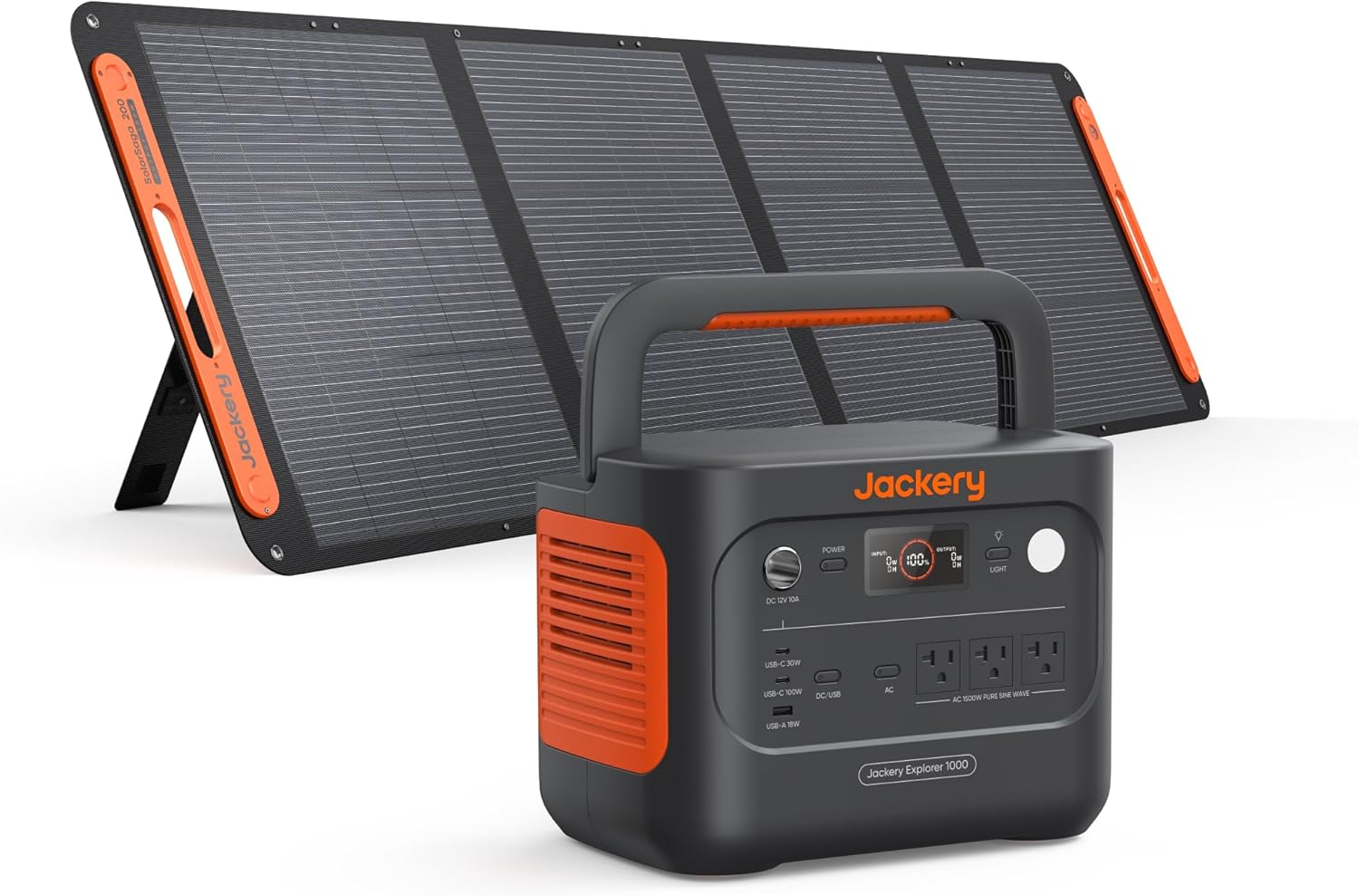
- Best Overall: Jackery Solar Generator 1000 v2 + 200W Panel – compact LFP bundle built for daily van cycling
- Best High Output: Anker SOLIX C1000 + 200W Solar Panel – 1,800W inverter handles induction cooktops
- Best Large Capacity: Jackery Solar Generator 1500 + SolarSaga 100W – 1,534Wh for multi-day off-grid stretches
- Best for Full-Time Van Life: Anker SOLIX F2600 – 2,560Wh LFP powerhouse for permanent van builds
- Best Value: Jackery Explorer 1500 (Renewed) – certified renewed unit at a lower cost
- Best Compact Backup: Bluetti AC70 – 768Wh LFP fits tight van builds with Power Lifting mode
Van life puts a unique set of demands on a solar generator. Unlike a backyard camping trip or a short weekend getaway, living and working from a van means your power system runs every single day – through summer heat, cold desert nights, cloudy mountain passes, and back-to-back overcast days. Your generator is not a backup appliance. It is the primary electrical grid for your home on wheels, and it needs to keep a 12V compressor fridge running overnight, charge a laptop for remote work, power LED lighting, and occasionally handle an induction burner when you are parked somewhere beautiful and want a hot meal. That daily cycling demand makes battery chemistry and solar input capacity the two most important specs to evaluate.
This guide covers six solar generator options suited to van conversions and overlanding builds in 2026, ranging from 768Wh compact units for part-time vanners to a 2,560Wh full-time powerhouse. All recommendations prioritize LiFePO4 (LFP) chemistry where available, because LFP handles the temperature swings of a parked van far better than older NMC cells and delivers 3,000 or more charge cycles without significant degradation. We also pay close attention to solar input ratings and DC output options, since roof-mounted panels and a direct 12V feed to a compressor fridge are the backbone of most van builds. For more context on how these units compare to larger off-grid setups, see our guide to the best solar generators for off-grid living.
Best Solar Generators for Van Life – Full Reviews
Jackery Solar Generator 1000 v2 + 200W Panel – Best Overall Van Life Bundle
The Jackery Solar Generator 1000 v2 bundled with the 200W SolarSaga panel is the most practical all-in-one kit for van dwellers who want a proven, well-supported system without the complexity of building custom components. The 1,070Wh LFP battery gives you enough daily capacity to run a 12V compressor fridge (roughly 50W continuous, around 400Wh per day), a laptop for a full workday (60W, around 360Wh), phone and device charging (around 100Wh combined), and LED cabin lighting all evening – landing close to a realistic 900-1,000Wh daily draw with comfortable headroom.
The 200W panel included in this bundle is a meaningful upgrade over smaller 100W panels that struggle to fully recharge a 1,000Wh unit in a single afternoon. In full sun, expect a realistic 120-160Wh per hour depending on angle, meaning a five-hour solar window can put back 600-800Wh – enough to cover most moderate daily draws without touching shore power. The unit accepts up to 400W of solar input, so you can daisy-chain additional panels as your van roof space allows. The 1,500W pure sine wave inverter covers most van life appliances comfortably, and the LFP cells are rated for 4,000 cycles to 80% capacity, meaning this battery should serve a daily-cycling van build for a decade or more.
The v2 version of the 1000 introduced a more compact and lighter chassis than the original Explorer 1000, which matters in a van where under-bench storage space is at a premium. It also added a faster AC charging rate and a more intuitive display. If you are outfitting your first van conversion and want one kit that covers solar panel, cables, and station in one purchase, this is the strongest starting point in the 1,000Wh class. Best for: First-time van builders, part-time van lifers, and anyone who wants a compact LFP bundle with solid solar input for daily cycling.
Anker SOLIX C1000 + 200W Solar Panel – Best for Van Cooks and High-Wattage Loads
The Anker SOLIX C1000 paired with the 200W solar panel steps up the inverter power to 1,800W continuous and brings 1,056Wh of LFP capacity in a unit that is notably compact for its output class. The higher inverter rating is meaningful for van life because it opens up induction cooking reliably – a single-burner induction cooktop typically pulls 1,200-1,400W, which sits within the C1000’s continuous rating with headroom rather than at the edge of capability. That removes the anxiety of watching your wattage meter spike every time you want to boil water.
Anker’s implementation of LFP in the SOLIX line is well-regarded for thermal stability, which is directly relevant to van life’s temperature challenges. A generator stored under a bed or in a side cabinet in a dark-painted van can see temperatures that stress less stable battery chemistries. The C1000 also supports up to 600W of solar input across its MC4 connections, which means a two-panel roof setup at 300W each can push near-maximum input during peak hours. The unit’s DC output options include a 12V car port and USB-A and USB-C ports for direct device charging without inverter losses.
The SOLIX app gives you remote monitoring of state of charge, solar input, and load output – useful when the unit is tucked away in a van build and you want to check battery level without crawling to the storage area. Build quality is solid with a relatively modest footprint given the capacity and power output. For van lifers who cook frequently, run a larger 12V fridge, or occasionally power a small fan for summer temperature management, the C1000 bundle represents a strong value in the sub-1,100Wh LFP segment. Best for: Van lifers who cook on induction regularly or run higher-wattage loads alongside the standard fridge-laptop-lighting stack.
Jackery Solar Generator 1500 + SolarSaga 100W – Best for Multi-Day Off-Grid Stretches
The Jackery Solar Generator 1500 bundled with the SolarSaga 100W panel brings 1,534Wh of usable capacity, making it the right choice for van lifers who frequently park in remote spots for two or three days without reliable sun. With a full charge, a realistic van life daily draw of 1,000-1,200Wh leaves you with 300-500Wh of buffer heading into a second day, which is meaningful insurance when you are deep in a canyon or on an overcast mountain pass where the included 100W panel is recharging slowly.
The 1,800W inverter matches the SOLIX C1000 in output ceiling, handling most high-wattage van life loads including induction cooking, an electric blanket in cold weather, or a small portable air cooler. The battery chemistry on this model is NMC rather than LFP, which means the cycle life rating is lower than the LFP options in this list – closer to 1,000 cycles to 80% rather than 3,000-4,000. For full-time van lifers doing daily cycling, that difference accumulates over years. For part-time or weekend van life where the unit cycles 100-150 times per year, the chemistry difference is less impactful and the higher capacity per dollar ratio of NMC makes more sense.
The included 100W panel is enough to contribute meaningful recharging in full sun but will not fully recover a 1,534Wh unit in a single day on its own. Jackery rates the 1500 for up to 400W of solar input, so pairing additional panels when your van roof allows will significantly improve solar recovery. If you are building out a weekend overlanding rig rather than a daily driver, this bundle offers considerable capacity headroom at a price point below the LFP-only options. See our roundup of the best 1000-watt solar generators if the 1,500Wh class is more than your van build requires. Best for: Part-time van lifers and overlanders who prioritize maximum capacity for multi-day remote stays over long-term daily cycling durability.
For van life builds, LiFePO4 battery chemistry is worth prioritizing if you plan to cycle the unit daily. LFP cells handle temperature extremes better than NMC and deliver 3,000 or more cycles before hitting 80% capacity – roughly triple the cycle life of older lithium chemistries at the same daily use rate.
Anker SOLIX F2600 – Best for Full-Time Van Life and Permanent Van Builds
The Anker SOLIX F2600 is in a different category from the other units on this list in terms of scale. At 2,560Wh of LFP capacity and a 2,400W inverter, it is sized for van lifers who live in their vehicles full-time and need a power system that can handle everything – a full-size 12V fridge, a workstation with dual monitors, a CPAP machine overnight, an induction cooktop at dinner, and LED lighting throughout – without carefully budgeting every watt-hour. The 2,400W inverter also opens up appliances that smaller units cannot run at all, including some portable washing machines and higher-draw power tools for vanlife repairs.
The F2600 supports up to 2,400W of solar input across multiple input channels, which means a well-equipped van roof with 400-600W of panels can push meaningful recharge rates during peak sun hours. At 600W of solar input, a four-hour peak window puts back 2,400Wh – essentially a full recharge from empty in a single good sun day. The LFP chemistry is rated for 3,000 cycles to 80% capacity, so daily cycling for five or more years will not meaningfully degrade the battery. This is the kind of durability that makes sense when the generator is a permanent fixture in a built-out van rather than a portable appliance you pull out for trips.
The trade-off is size and weight. The F2600 is a large, heavy unit that needs to be integrated into a van build with mounting considerations – it is not something most van lifers will move in and out of the vehicle regularly. If your van build includes a dedicated electrical cabinet or a fixed generator bay, the F2600 fits the role of a proper house battery system at a fraction of the cost of a custom lithium battery bank with an inverter-charger. For van lifers who are serious about full-time living and want every modern convenience available on the road, this is the unit to build around. Best for: Full-time van dwellers with permanent builds who need maximum capacity, high inverter output, and LFP durability for daily cycling over multiple years.
Jackery Explorer 1500 (Renewed) – Best Value for Van Life
The Jackery Explorer 1500 Certified Renewed offers the same 1,534Wh capacity and 1,800W inverter as the new 1500 model, but at a lower cost because it is a certified renewed product. Jackery’s certified renewed program means each unit has been inspected, tested, and restored to manufacturer specifications – these are not gray-market returns but factory-reconditioned units that Jackery stands behind. For van lifers on a tighter build budget who want the performance of a 1,500Wh class unit, the renewed designation provides a way to access that capacity tier more affordably.
The battery chemistry is NMC, which carries the same cycle life considerations noted in the new 1500 review above. At 1,000 cycles to 80% capacity, daily-cycling van lifers will see some degradation over three to four years of continuous use, while part-time users will likely hold most of that capacity for five to seven years. The 1,800W inverter handles induction cooking and most van life appliances without issue. Solar input is rated up to 400W across multiple panels, which works well with a typical van roof setup of two to four compact panels.
The practical consideration with any renewed unit is that cosmetic wear may be present – scuffs, minor scratches – but functionality should match a new unit per the certification process. Jackery includes a warranty on certified renewed products, which provides coverage if any issues emerge after purchase. For van lifers who are budget-conscious and comfortable with a renewed unit, the Explorer 1500 renewed offers strong performance per dollar in the large-capacity van life segment. Compare options in the same price range in our best budget solar generators guide for additional context. Best for: Budget-focused van lifers who want 1,500Wh-class capacity and an 1,800W inverter without paying full new-unit pricing.
Van life power consumption adds up faster than most new van lifers expect. A 12V compressor fridge alone accounts for roughly 400Wh per day in moderate temperatures. Adding a laptop workday, phone charging, and LED lighting puts a typical digital nomad van setup at 900-1,200Wh daily – meaning a 1,000Wh unit operates near its practical ceiling without solar input to supplement.
Bluetti AC70 – Best Compact Option for Tight Van Builds
The Bluetti AC70 is the smallest-capacity LFP unit on this list at 768Wh, but it earns its place in a van life guide through a combination of compact dimensions, LFP chemistry durability, and a Power Lifting mode that temporarily boosts the inverter output beyond its rated 1,000W to handle startup surges from compressor-based appliances. That feature is specifically relevant for van life because compressor fridges and small air coolers produce startup surge currents that can trip lower-rated inverters even when their steady-state draw is modest.
At 768Wh, the AC70 covers a lighter van life daily load profile well – a small 12V fridge, a laptop for half a day, phone and device charging, and LED lighting will collectively draw around 600-700Wh per day, keeping the AC70 within its capacity range with some solar recovery helping the balance. It is not the right unit for a full-time van lifer running a full workstation, air conditioning, or heavy cooking loads. But for a weekend overlander who wants reliable LFP durability in a unit small enough to slide under a van bench seat or fit in a smaller camper van side cabinet, it is an excellent compact choice. The smaller solar generators guide at best small solar generators covers more options in this capacity range.
Bluetti’s LFP cells are rated for 3,500 cycles, which is competitive with Jackery and Anker’s LFP offerings in this class. The AC70 also accepts up to 200W of solar input via its MC4 port, which pairs well with a single 200W panel or two 100W panels and can fully recharge the battery in four to five hours of good sun – a realistic afternoon recharge window for a van that parks before noon. For van conversions where space is a genuine constraint, the AC70’s footprint and weight make it one of the more manageable LFP units to integrate into a build. Best for: Part-time van lifers, smaller camper van builds, and overlanders who need LFP durability and Power Lifting startup surge capability in a compact footprint.
Frequently Asked Questions
How much solar generator capacity do I actually need for van life?
Most van life daily power budgets fall between 800Wh and 1,500Wh depending on your setup. A minimalist build with a small 12V fridge, a laptop for partial-day work, and LED lighting will draw around 700-900Wh per day. A full digital nomad setup with a full workday of laptop use, a larger compressor fridge, phone and device charging, and occasional cooking will push 1,200-1,500Wh. As a practical rule, size your solar generator at 1.5 times your expected daily draw to give yourself meaningful headroom for cloudy days, partial solar recovery, and occasional higher-consumption days. A 1,000Wh unit is the minimum practical size for most van builds; 1,500Wh is more comfortable for full-time daily use. For builds where you frequently spend multiple nights without shore power access, consider 1,500Wh or larger. The off-grid living solar generator guide covers capacity planning in more depth for stationary applications.
Is LiFePO4 really worth it for van life compared to NMC batteries?
For full-time van life with daily cycling, LFP is worth the premium. LFP cells are chemically stable across a wider temperature range – important when your van sits in a parking lot in summer or a cold-weather campsite in winter. They deliver 3,000-4,000 cycles to 80% capacity versus 500-1,000 for NMC cells, which means a daily-cycling LFP unit holds its capacity for ten-plus years while an NMC unit may show noticeable degradation in three to four years. LFP cells are also less prone to thermal runaway, which is a meaningful safety consideration in an enclosed van. For part-time van lifers who cycle the battery less than 100 times per year, the cycle life difference matters less and NMC’s higher energy density at a given price point makes it more competitive.
Final Verdict
The best solar generator for van life depends on how you live in your van. For a first van build or part-time van life, the Jackery Solar Generator 1000 v2 + 200W Panel is the strongest all-in-one starting point – compact LFP chemistry, a generous 200W panel in the bundle, and enough capacity to cover a standard daily van life load without micromanaging every watt-hour. For van lifers who cook on induction or run higher-wattage loads, the Anker SOLIX C1000 + 200W Panel adds 1,800W of inverter headroom in a similarly compact LFP package. Full-time van lifers who want to eliminate daily power anxiety and build a permanent system should look seriously at the Anker SOLIX F2600, which provides enough capacity and solar input acceptance to run a genuinely comfortable van life existence without constant recharge management. Whatever your build scope, prioritizing LFP chemistry and strong solar input ratings will give you the most durable, low-maintenance daily power system for life on the road.


Write Your Review
No reviews yet. Be the first to share your experience!