

Need a reliable 50 Amp generator?
Whether you’re powering your RV, ensuring home backup, or supporting job site equipment, we’ve handpicked the best generators of 2026.
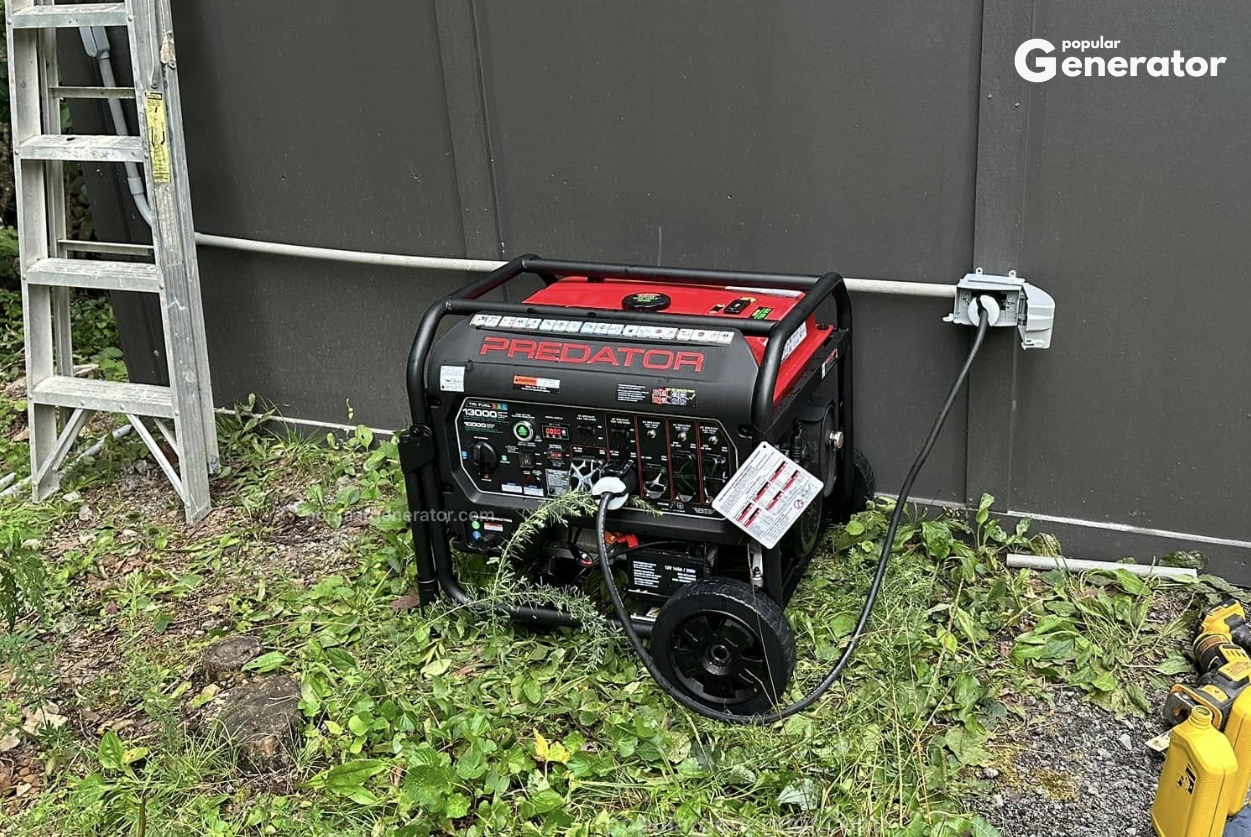
With an emphasis on performance, fuel efficiency, and durability, this guide helps you make an informed decision. Dive into our expert recommendations and maintenance tips to keep your generator running smoothly for years to come.
What is a 50 Amp Generator?
A 50 Amp generator is a high-powered device that provides up to 50 amps of electricity. It’s perfect for handling large power demands, making it ideal for a variety of uses, including RVs, homes, and construction sites. These generators can run several appliances or tools simultaneously without overloading the system, ensuring reliability and efficiency when you need power the most.
In RV Parks: Many RVs are designed with a 50 Amp electrical system, allowing them to power multiple appliances at once, such as:
- Air conditioners
- Microwaves
- Lighting systems
For Homeowners: During power outages, a 50 Amp generator can keep essential household systems running, including:
- Refrigerators
- Heating or cooling systems
- Water pumps
50 Amp generators are equipped with outlets designed to handle high-current devices, ensuring stable power delivery without overloading. Whether for backup power, outdoor work, or travel, a 50 Amp generator is a reliable solution for meeting high-power demands efficiently.
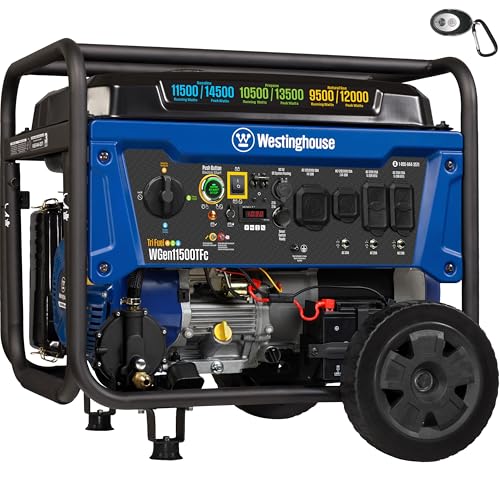
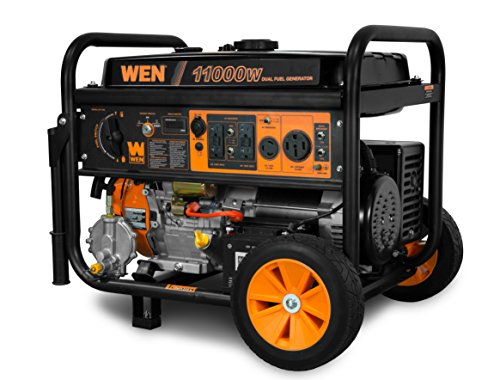
Compare the Best 50 Amp Generators of 2026




How to Choose the Right 50 Amp Generator for Your Needs
Selecting the right 50 Amp generator involves a few key considerations to ensure it meets your power requirements. The process includes calculating the total running and starting (surge) watts needed to support your appliances and equipment. Here are the steps to help you make an informed decision:
- Total Power Requirements:
Begin by calculating the total running watts (the power required to operate devices continuously) and starting watts (the surge power needed when starting certain appliances). For full RV or home backup, you typically need a generator that provides between 7,000 to 12,000+ watts. - Portable vs. Standby:
Decide whether you need a portable generator (easier to move, ideal for occasional use) or a standby generator (installed permanently for automatic power backup). Consider how often you will use the generator and your space constraints. - Inverter Technology:
Choose a generator with inverter technology if you need quieter, stable power. Inverters provide cleaner electricity, making them ideal for sensitive electronics and appliances. They also run more quietly than conventional generators. - Dual-Fuel Capability:
A dual-fuel generator can run on both gasoline and propane, offering flexibility depending on availability and convenience. This feature is particularly helpful during emergencies when one fuel type may be hard to find. - Portability:
If you plan to move your generator frequently (e.g., for RV use or outdoor work), consider the weight and design of the generator. Look for lightweight models with wheels and handles for easier transportation.
Maintenance Tips for 50 Amp Generators
Maintaining a 50-amp generator involves regular oil and filter changes every 50-100 hours (or 6 months), keeping air filters clean, and using fuel stabilizer for long-term storage.
Key maintenance includes testing the unit monthly under load for 30 minutes, inspecting for leaks, and maintaining battery charge.
- Oil & Filters: Change oil and filters every 50-100 hours or at least once per season. For infrequent use, change oil and filters twice a year. Use manufacturer-recommended oil viscosity.
- Fuel Care: Add a fuel stabilizer to gasoline if storing for more than 30 days to prevent carburetor gumming.
- Air Filter & Spark Plugs: Inspect air filters regularly and replace as necessary to ensure clean air intake. Replace spark plugs to maintain optimal combustion.
- Monthly Testing: Run the generator under load for 20-30 minutes monthly to lubricate components, charge the battery, and ensure it functions properly.
- Battery Maintenance: Check for corrosion and clean terminals with a wire brush and baking soda/water mixture. Replace the battery every 2-3 years.
- Clean and Inspect: Clean the unit regularly, checking for oil or coolant leaks. Ensure all parts are tight and the unit is free from debris.
- System Check: For automatic systems, verify ATS (Automatic Transfer Switch) functionality, check for loose electrical connections, and inspect coolant levels/hoses annually.
Conclusion
Choosing the best 50 Amp generator depends on your specific needs, whether it’s for home backup, RV use, or powering large tools on a job site. The models we’ve reviewed offer a range of features, from dual-fuel options to noise-reducing technology, ensuring you have reliable power when you need it most.
FAQs about 50 Amp Generators
1. What’s the difference between 30 Amp and 50 Amp generators?
30 Amp generators provide ~3,600–7,200 watts (120/240V), ideal for essentials, while 50 Amp generators deliver up to 12,000+ watts (240V), designed for full-home backup or large RVs with dual AC units.
Key differences include higher fuel consumption for 50A, 4-prong vs 3-prong plugs, and higher capacity to run heavy appliances simultaneously.
2. Can I use a 50 Amp generator for my RV?
Yes, you can use a 50-amp generator for your RV, which is the ideal way to power 50-amp systems (offering up to 12,000 watts via 120/240V split-phase) to run all appliances, including dual AC units. A 50-amp generator ensures full, simultaneous operation of high-draw devices just like a campground pedestal, usually featuring a 4-prong outlet.
3. What are the best 50 Amp generators for home backup power?
The best 50 Amp generators for home backup power are those with sufficient wattage, reliable fuel options, and long run times. Some top options include models from brands like Honda, Westinghouse, and Champion. Look for features such as automatic transfer switches (ATS) for seamless power switching and extended warranties for peace of mind.
4. How long will a 50 Amp generator run on a single tank of fuel?
The runtime of a 50 Amp generator on a single tank of fuel depends on factors such as the generator’s fuel efficiency, load, and the fuel tank size. On average, a 50 Amp generator can run for 8 to 12 hours on a full tank of fuel at 50% load. For longer runtimes, consider models with larger tanks or dual-fuel capabilities.
5. Are dual-fuel generators worth the extra cost?
Dual-fuel generators are generally worth the extra cost, particularly for emergency home backup or RV use, because they provide the flexibility to switch between gasoline and propane, offering better long-term reliability and fuel availability. While having a higher initial cost, they allow users to avoid carburetor issues caused by stale gas, as propane can be stored indefinitely.


Write Your Review
No reviews yet. Be the first to share your experience!