

Looking for a dependable power source for power outages, job sites, or weekend camping trips?
A 5,000-watt generator strikes a practical balance between strong output and easy portability. With so many choices available, from quiet inverter models to tough conventional generators, picking the right one can feel overwhelming.
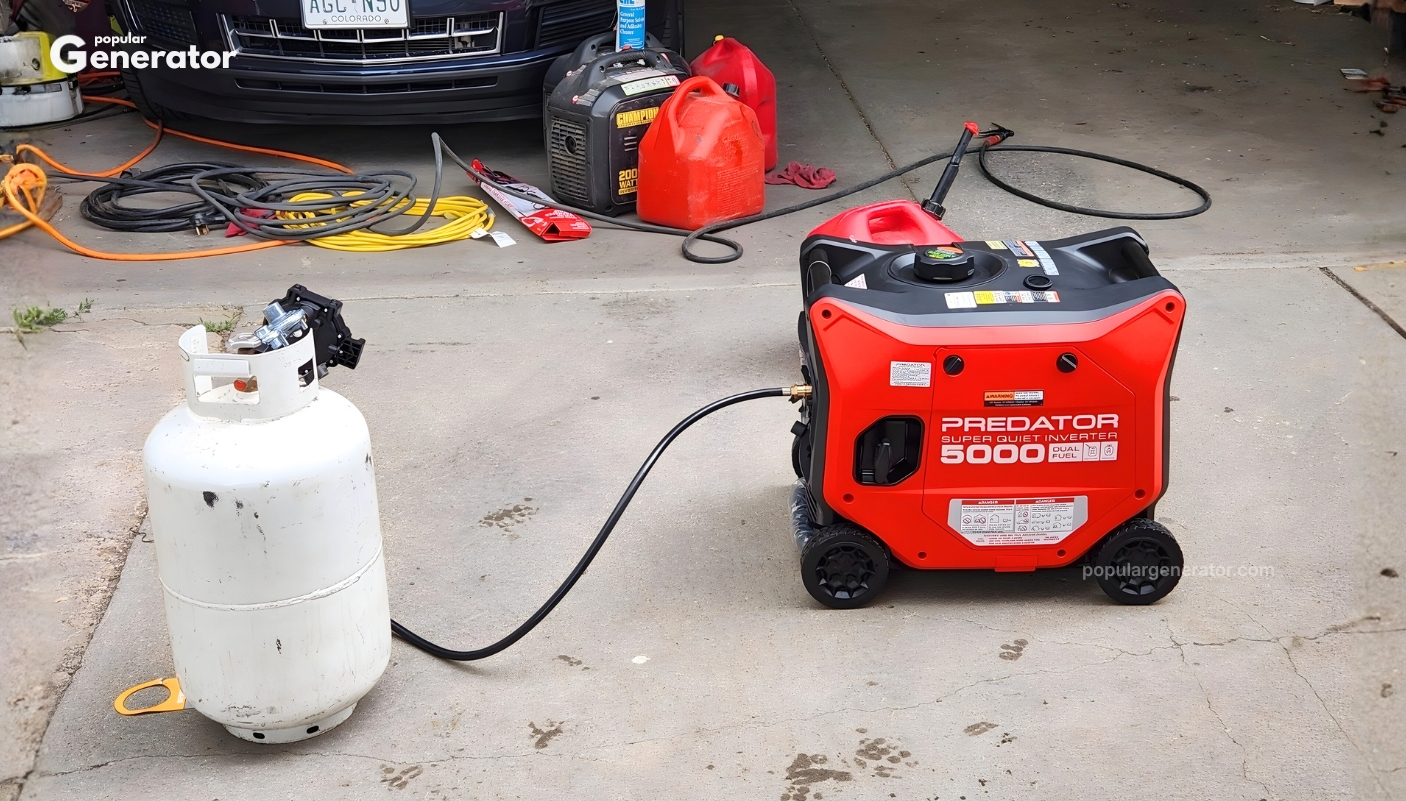
This guide takes a close look at the best 5,000-watt generators on the market, breaking down real performance, key differences, and honest pros and cons to help you choose the model that truly fits your needs.
Comparison of the Best 5,000-Watt Generators


What Can a 5,000-Watt Generator Run?
A 5,000-watt generator is strong enough to keep the essentials running during a power outage. It can handle a refrigerator or freezer, a sump pump, basic lighting, fans, and other everyday items. For RV use, it’s typically sufficient for a 30-amp air conditioner along with a microwave or coffee maker. That said, it’s not designed to power an entire home at once. High-demand appliances like electric heaters or dryers will quickly push it beyond its limits.
Essential Home Backup
With roughly 5,000 running watts available, a generator in this class is a solid choice for basic home backup during a power outage. It can support several essential appliances at the same time, as long as loads are managed sensibly.
- Refrigerator or freezer: 600 – 700 watts running
Startup surge can briefly climb much higher, which is why stable output matters. - Sump pump: 1,000 – 1,100 watts
One of the most critical loads during storms, but also one that cycles on and off. - Basic lighting (LED): 60 – 100 watts total
Low draw, but essential for safety and comfort. - TV: 80 – 100 watts
Minimal impact on overall load. - Laptop or small electronics: 40 – 60 watts
Negligible in the bigger picture.
With these essentials running, there is usually still enough headroom to operate short-duration appliances when needed:
- Microwave: 900 – 1,000 watts
- Coffee maker: 900 – 1,000 watts
Running a microwave at the same moment the sump pump kicks on can push the generator close to its limit. Staggering high-draw appliances avoids overload and keeps everything running smoothly. When used this way, a 5,000-watt generator can comfortably handle most essential household needs during an outage without feeling strained.
RV and Camping
For RV use, 5,000 watts is often considered a sweet spot. A 13,500 BTU RV air conditioner typically requires around 1,400 – 1,600 watts once running, with higher startup demand if no soft-start system is installed.
A properly sized 5,000-watt generator can usually start and run this air conditioner without trouble.
Once the AC is running steadily, there is still enough available power to operate lights, charge electronics, and use small kitchen appliances such as a microwave or coffee maker. This makes a 5,000-watt generator a practical and flexible option for RV owners who want reliable cooling and basic comfort without stepping up to a much larger, heavier unit.
Power Tools and Job Site Use
A 5,000-watt generator can handle most light-to-medium job site tasks, as long as tools are not all running at once. Typical power tool loads:
- Hammer drill: 1,000 watts
- Radial arm saw: 2,000 watts
- Bench grinder: 1,300 – 1,400 watts
Running all of these tools simultaneously would push the generator close to its continuous limit, especially when startup surges are included. In real-world use, rotating tools instead of running them at the same time is the practical approach.
Used this way, a 5,000-watt generator delivers reliable power for most job site needs without frequent overloads or shutdowns.
How to Choose the Right 5,000-Watt Generator
Choosing the right 5,000-watt generator starts with understanding your real-world power needs, not just the number printed on the box. You need to factor in starting watts, fuel type, safety features, portability, noise level, and warranty to make sure the generator actually fits how you plan to use it.
Calculate Your Actual Power Requirements
One common mistake buyers make is assuming that “5,000 watts” means continuous output. In reality, 5,000 watts is often the maximum starting (surge) capacity, while the running or rated output is typically lower, usually around 4,000 to 4,500 watts.
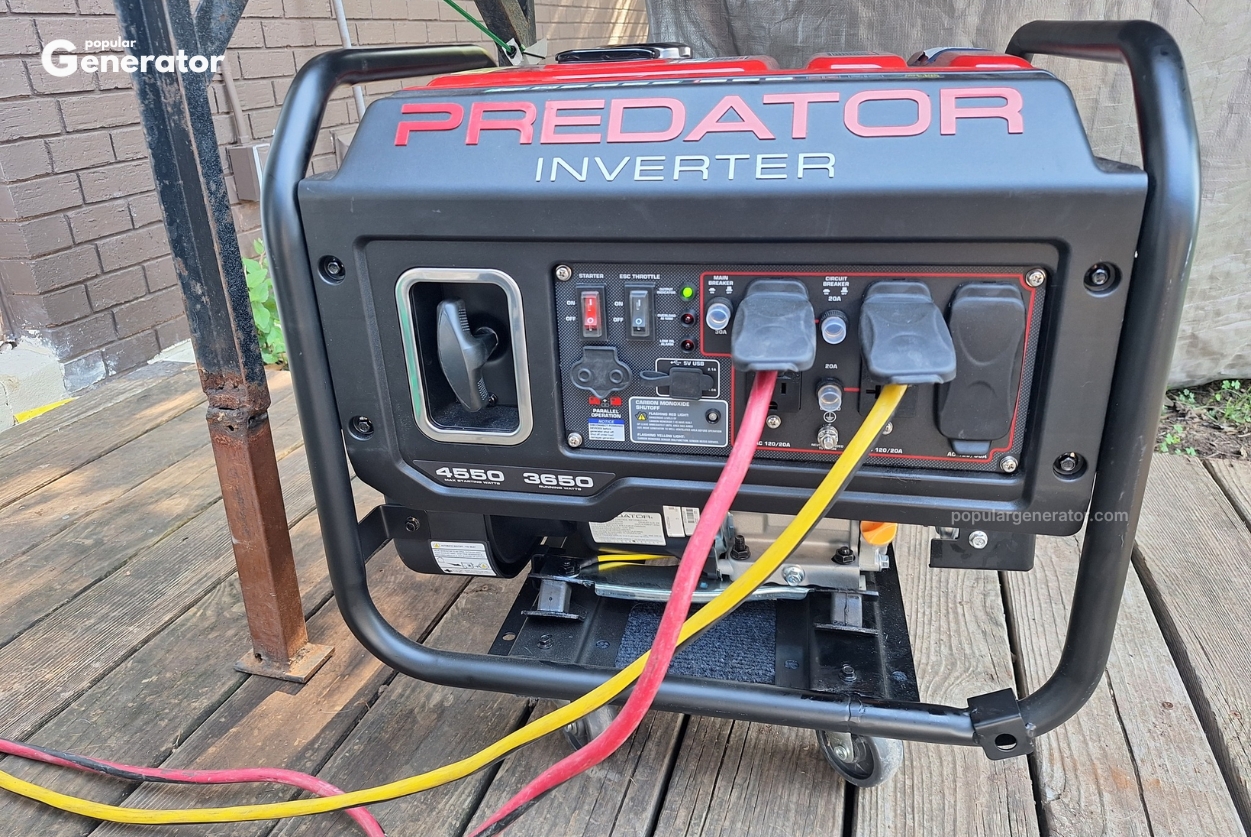
To avoid overload issues, it’s important to calculate both running and starting wattage for your equipment.
- List the devices you plan to run at the same time
Start by writing down every appliance or tool you expect to power simultaneously. Common examples include a refrigerator, LED lights, a Wi-Fi router, a sump pump, or basic electronics. - Identify running watts and starting watts
Check the manufacturer’s label on each device or measure actual consumption using a power meter such as a Kill A Watt meter. Appliances with electric motors, like refrigerators or pumps, often require two to three times their running wattage for a few seconds during startup. - Calculate total required wattage
Add together the running watts of all devices you want to operate at once. Then add the highest starting wattage of a single device on top of that total. This gives you a realistic minimum power requirement for your generator. - Build in a safety margin
For stable operation and longer generator life, it’s smart to choose a unit with about 15–20% extra capacity beyond your calculated load. Running a generator constantly at its maximum output leads to higher fuel consumption, more noise, and faster wear.
Conclusion
A 5,000-watt generator hits the perfect balance for most users. It’s strong enough to keep essentials like a refrigerator, sump pump, and even a small air conditioner running, yet still portable and practical for everyday use. If quiet operation and clean power matter most for home backup, an inverter model makes sense; if you need rugged reliability for a job site, a conventional generator is often the better fit.
Just keep expectations realistic, if your goal is to run an entire home, including electric water heaters or central air, moving up to a 7,500-watt or larger generator is the smarter choice.
FAQs – People Also Ask
1. Is a 5,000-watt generator enough for a house?
A 5,000-watt generator is typically enough to power essential items for an average household during an outage, but generally not the entire house simultaneously. You can usually run appliances like a refrigerator/freezer, some lights, a Wi-Fi router, phone chargers, and possibly a microwave or a small window AC unit by managing which items are on at the same time. It is usually not enough for high-wattage items like central air conditioning or an electric water heater.
2. How loud is a 5,000-watt generator?
The noise level depends on the generator type.
- Conventional generators are louder, typically operating in the range of 70-80 dB(A), similar to a vacuum cleaner or a busy restaurant.
- Inverter generators are significantly quieter due to their enclosed design and variable engine speed, usually operating between 54-62 dB(A), which is comparable to a quiet conversation or light rainfall.
3. Inverter vs conventional at 5,000 watts?
| Feature | Inverter Generator | Conventional Generator |
|---|---|---|
| Noise Level | Significantly quieter (54-62 dB) | Louder (70-80 dB) |
| Power Quality | Provides clean, stable power (pure sine wave), safe for sensitive electronics | Power fluctuations can be an issue; less suitable for sensitive devices |
| Fuel Efficiency | More efficient as engine speed adjusts to load | Runs at a constant, full speed regardless of load, using more fuel |
| Portability | More compact and lighter | Heavier and bulkier |
| Cost | Generally more expensive | More economical |
4. How long will it run on a full tank?
Run time varies based on the fuel type, tank size, and the load being powered.
- For a typical gasoline generator with a standard 5-gallon fuel tank, you can expect around 8 to 12 hours of runtime at a 50% load.
- On a standard 20 lb propane tank, a 5,000-watt generator typically runs for about 6 to 8 hours at half load.
- Running at full 5,000-watt capacity will roughly cut the run time in half compared to the 50% load estimate.
5. Is electric start worth it?
Yes, an electric start is generally considered a valuable feature, especially for home backup or emergency preparedness. It offers hassle-free starting with the push of a button (or a remote), which can be crucial during stressful power outages, as opposed to the physical effort required for a pull-cord start.



Write Your Review
No reviews yet. Be the first to share your experience!