




Best Solar Generators for Cold Weather in 2026
- BLUETTI Elite 100 V2 (with AC Cable): 1024Wh LFP, 4000+ cycles, 30dB silent mode for cold-weather indoor use
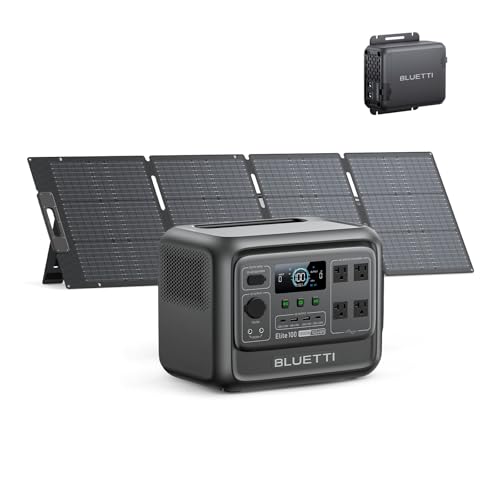
- BLUETTI Elite 100 V2 + 200W Solar + Charger: solar bundle with 560W alternator charger for remote winter locations
- Jackery Explorer 1000 v2 Duo: twin 1070Wh LFP units for 2140Wh total, 1-hour fast charge between cold-weather sessions
- EcoFlow Solar Generator DELTA 2 + 2x220W Solar: 1024Wh LFP with 440W solar bundle for self-sustaining winter power
- Anker SOLIX C300 (with Strap): 288Wh LFP, 140W fast charge, compact enough to keep inside a sleeping bag for warmth
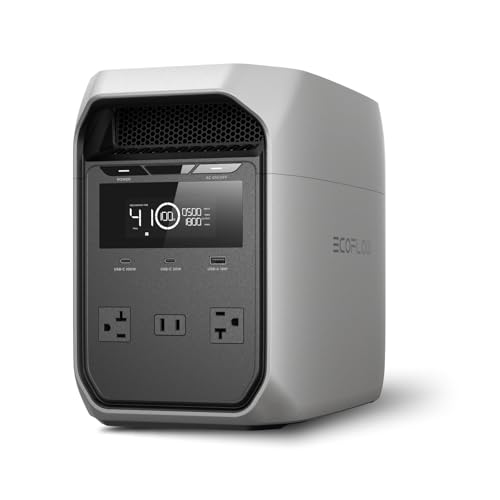
- EcoFlow DELTA 3 Classic: 1024Wh LFP, 1800W AC, charges from 0 to 80% in under 1 hour for quick dock warming stops
Cold weather is where many power stations quietly fail. Standard lithium-ion (NMC) batteries can lose 20 to 40 percent of their usable capacity when temperatures drop below freezing, and they may refuse to accept a charge at all below 14 degrees Fahrenheit. For ice fishing huts, ski cabins, winter overlanding rigs, or emergency home backup during a blizzard, a generator that performs poorly in the cold is worse than no generator at all because it creates false confidence in a system that is not delivering what you expect.
The units in this roundup are selected specifically for cold-weather performance. All use LiFePO4 (LFP) chemistry, which retains more capacity in cold temperatures than NMC cells and can typically discharge down to 14 degrees Fahrenheit or lower with reduced but meaningful output. The best of these include built-in battery management systems that monitor temperature and adjust charging behavior automatically, protecting the cells during startup in a frozen environment. The practical takeaway: if you store your generator in an unheated space overnight, these are the units most likely to start up and deliver power when you need it in the morning.
What to Look for in a Solar Generator for Cold Weather
LFP chemistry is the single most important specification for cold-weather use. LFP cells maintain roughly 80 to 90 percent of their rated capacity at 32 degrees Fahrenheit and around 70 percent at 14 degrees, compared to NMC cells that often fall below 60 percent capacity at 32 degrees and significantly lower from there. LFP cells also tolerate partial states of charge better, which is relevant when charging from a small solar panel in the short daylight hours of a winter day. Every unit in this roundup uses LFP chemistry, which is why they made the cut for cold-weather use.
Battery heating or insulation management is a feature worth checking. Some premium units include a built-in battery heating element that warms the cells to a safe charging temperature before accepting input. Without this, attempting to charge an LFP battery below 32 degrees Fahrenheit can cause lithium plating that permanently reduces capacity. Units with a heating circuit allow you to plug in and recharge even when temperatures are below freezing, a meaningful advantage for a generator stored in an unheated vehicle or shelter. In practice, running the generator for a few minutes on discharge warms the cells enough to begin charging safely on most units without a dedicated heater.
Fast charging is disproportionately valuable in cold weather because daylight hours are short and indoor AC charging opportunities are finite. A unit that takes 8 hours to charge from empty is a liability on a 24-hour cold-weather trip where you may only have access to shore power for 2 hours at a warming hut. Units in this roundup can charge from 0 to 80% in 30 minutes to 1.1 hours, which changes the practical calculus of managing power on a winter trip. See also the best solar generators for camping guide for comparison with units optimized for three-season use.
Capacity is the second variable after chemistry. Cold-weather loads are predictable but often high: an electric space heater draws 750W to 1500W, a heated vest or heated blanket draws 50W to 200W, and a camp stove igniter runs only in brief pulses. A unit with 1000Wh powers a small 750W space heater for about 1.2 hours, useful for warming a car interior or ice fishing hut quickly. For overnight cold-weather use with a heated blanket and device charging, 1000Wh is a reasonable minimum. For a full winter basecamp scenario, step up to 2000Wh or pair two units from the bundled options on this list. For the largest cold-weather setups, the large solar generators guide covers units with higher capacity tiers.
Reviews: Best Solar Generators for Cold Weather
BLUETTI Elite 100 V2 (with AC Cable)
The BLUETTI Elite 100 V2 is purpose-built for performance in constrained environments, and its cold-weather profile is one of the best in the 1kWh class. The LFP battery is rated for over 4,000 charge cycles to 80% capacity, and the unit’s operating discharge temperature range extends to 14 degrees Fahrenheit. The AC cable bundle makes shore charging straightforward when you reach a warm location, and the 1200W TurboBoost charging refills the unit from 0 to 80% in about 45 minutes. The silent mode at 30dB means it can run in a sleeping area, ice fishing hut, or tent vestibule without disturbing anyone nearby.
For cold-weather field use, the Elite 100 V2 handles a 400W ceramic space heater (compact models preferred for energy efficiency) for about 2 hours per charge. Running it alongside phone charging and a camp light extends total draw but still keeps average runtime well above 1 hour at typical winter basecamp loads. The compact form factor and modest weight allow it to ride in a backpack or sit in the cab of a truck overnight where ambient warmth keeps the battery from falling to its lower operating threshold. Check on Amazon
Best for: Ice anglers, winter campers, and cold-weather overlanders who need a compact, fast-charging LFP station that operates quietly in close quarters.
BLUETTI Elite 100 V2 + 200W Solar + Charger Bundle
This bundle adds a 200W solar panel and a 560W DC-DC alternator charger to the Elite 100 V2 base unit, creating a self-sustaining power solution for remote winter locations. The alternator charger draws power from a vehicle’s alternator during transit, recovering roughly 250 to 400Wh per hour of driving depending on the vehicle’s alternator output. Combined with solar input during the day, this bundle provides meaningful energy recovery even in winter conditions where driving time and occasional sun windows can keep the battery well above empty.
The practical use case is a winter overlanding or ski touring trip where you drive to a trailhead, park for several days, and need power for lighting, a satellite communicator, camera batteries, and occasional heating accessories. The vehicle charges the generator during approach drives, the panel generates what it can during daylight, and the generator runs your gear through the evenings. The 200W panel is rated for low-light solar conditions and still produces meaningful power on overcast winter days, though output is reduced compared to summer sun. Check on Amazon
“I used this bundle on a week-long winter trip in Montana. The alternator charger kept the battery above 60% every night just from driving the last stretch into camp each day. The solar topped it off on sunny afternoons. I never ran out of power for my heated gear and navigation devices.”
Best for: Winter overlanders and backcountry travelers who want a complete self-sustaining power kit with both solar and vehicle charging for remote deployments.
Jackery Explorer 1000 v2 Duo Bundle
The Jackery Explorer 1000 v2 Duo bundle pairs two Explorer 1000 v2 units for 2140Wh of combined LFP capacity. Each unit charges from 0 to 100% in one hour via AC, and each outputs 1500W independently. Running both units creates a 3000W combined output capable of running a larger space heater, a heated tile system in a winter cabin, or a combination of high-draw cold-weather loads simultaneously. The 1-hour charge per unit means that a 2-hour dock or power connection stop fully restores the entire system.
For winter basecamp or cold-weather cabin use, the dual-unit configuration handles a 1500W electric space heater on one unit while the other powers lighting, device charging, and a heated blanket on the second. This kind of load separation prevents a single large draw from draining both units simultaneously. Each unit weighs 26.4 lbs, so transport to a remote site requires planning, but for vehicle-accessible winter camps the total 52.8 lbs is manageable when split between two people or loaded in a sled. Check on Amazon
Best for: Winter cabin basecamp operations where high total capacity and redundant charging from separate units provide reliable power through multi-day cold-weather stays.
EcoFlow Solar Generator DELTA 2 + 2x 220W Solar Panels
The EcoFlow DELTA 2 with two 220W solar panels is the most solar-self-sufficient option in this roundup. The 440W combined panel input is substantial for winter use: on a clear winter day at lower latitudes, a 440W array can recover 1000Wh to 1500Wh. The DELTA 2 uses a 1024Wh LFP battery and delivers 1800W AC output, covering the same load range as the BLUETTI Elite 100 V2 with the added benefit of a factory-paired solar bundle optimized for the generator’s input specifications.
EcoFlow’s X-Stream fast charging fills the DELTA 2 from flat to full in about 1.5 hours on AC, and the 440W solar input can recharge the unit from flat in about 2.5 to 3 hours in clear conditions. In winter cloud cover, expect 4 to 6 hours of solar charging for a full refill. The two 220W panels fold flat and store efficiently, making them practical to carry alongside the generator in a truck bed or on a cargo carrier. For emergency home backup during a winter storm when grid power fails, the solar bundle means you are not entirely dependent on pre-charged capacity. Check on Amazon
Best for: Winter overlanders and off-grid cabin owners who want meaningful solar recovery in cold conditions and prefer a factory-paired bundle over assembling separate components.
Anker SOLIX C300 (with Adjustable Strap)
The Anker SOLIX C300 with adjustable strap is the most portable cold-weather option on this list at about 7.3 lbs and 288Wh of LFP capacity. The strap design lets you carry it cross-body like a bag, keeping it close to your body and taking advantage of body heat to maintain the battery above its minimum operating temperature in extreme cold. The 140W fast charge means a 2-hour connection to any power source restores a full charge. Its compact size means it can ride inside a sleeping bag overnight when temperatures drop below the battery’s operating threshold, keeping it warm enough to deliver power in the morning.
For ice anglers and winter hikers, the SOLIX C300 handles the essential electronics: a GPS device at 3W, a fish finder or Vexilar at 25W, a headlamp charging port, and occasional phone charging. At 288Wh with those draws, you get a full day of electronics use per charge. The adjustable strap also makes it practical as a day-pack power source for heated jacket power banks or hand warmer charging during extended outdoor sessions. For comparison with larger compact options, the best mini solar generators guide covers the full range of compact LFP units. Check on Amazon
Best for: Ice anglers, winter hikers, and outdoor workers who need an ultraportable, body-carry-capable LFP power source for personal electronics in extreme cold.
EcoFlow DELTA 3 Classic
The DELTA 3 Classic delivers 1024Wh of LFP capacity with 1800W AC output and EcoFlow’s X-Stream fast charging that fills the battery from flat to full in about 1 hour. The LFP chemistry performs reliably down to 14 degrees Fahrenheit on discharge, and the BMS monitors temperature continuously to prevent charging when cell temperature is too low. For cold-weather emergency home backup scenarios, the 1-hour charge time is the key specification: when power returns briefly during a storm, you can fully recharge the unit in a single window rather than waiting for an extended grid restoration.
The DELTA 3 Classic covers a meaningful emergency load: a 100W LED work light, phone and tablet charging, a small fan for circulating warm air from a wood stove, and a sump pump startup surge all run without issue. At 1024Wh, it keeps critical devices running for 8 to 12 hours through a night-long outage. The unit is compatible with EcoFlow’s ecosystem of accessories including additional battery packs for expanded capacity when conditions allow a more permanent cold-weather installation. For emergency preparedness that extends beyond cold weather to year-round grid outages, the generators for cold weather use guide covers additional options including gas-powered alternatives. Check on Amazon
“We lost power for four days during a January ice storm. The DELTA 3 Classic ran our internet router, charged our phones, and kept a small fan running to circulate heat from the fireplace. The 1-hour charge time meant we could top it off from the car if needed. It was the difference between a manageable situation and a miserable one.”
Best for: Winter emergency home backup where fast recharge during brief grid restoration windows is the top priority alongside reliable LFP cold-weather performance.
Frequently Asked Questions
At what temperature do solar generators stop working?
LFP batteries, which all six units on this list use, can typically discharge down to 14 degrees Fahrenheit (-10 Celsius) with reduced but meaningful capacity. Below that threshold, internal resistance increases sharply and capacity drops further. Charging is more restrictive: most LFP units will not accept a charge below 32 degrees Fahrenheit (0 Celsius) to prevent lithium plating damage. Units with built-in heating circuits can charge in colder conditions by warming the cells first. In practice, keeping the generator in a heated cab, tent, or sleeping bag overnight is the most reliable way to maintain operating temperature for early-morning use in extreme cold.
Do solar panels still work in cold weather?
Yes, and often better than in summer. Photovoltaic panels actually perform slightly better at cold temperatures because heat reduces panel efficiency. The challenge in winter is reduced daylight hours, lower sun angles, and snow coverage rather than temperature itself. A panel that generates 200W in July may generate 170W to 190W on a clear cold January day with the same sun exposure angle. The bigger practical issue is keeping panels clear of snow and positioning them to capture lower-angle winter sunlight. Pairing your solar generator with a panel angled more steeply in winter (40 to 60 degrees from horizontal rather than the summer-optimal 15 to 25 degrees) captures more of the available winter sun.
Final Verdict
For most cold-weather use cases from ice fishing to winter camping, the BLUETTI Elite 100 V2 with AC Cable offers the best combination of LFP performance, fast charge, and compact portability at a manageable weight. Users who need solar self-sufficiency in remote winter locations should look at the BLUETTI Elite 100 V2 solar bundle or the EcoFlow DELTA 2 + 2x 220W Solar kit. For extreme cold where keeping the battery warm requires body heat management, the Anker SOLIX C300 with its adjustable carry strap is the most practical option for personal electronics.
The most important takeaway for cold-weather generator selection is to prioritize LFP chemistry above all other specs. A 2000Wh NMC unit that loses 40 percent capacity in winter delivers less usable power than a 1000Wh LFP unit operating near rated capacity. Any of the six units here will outperform a same-capacity NMC competitor in temperatures below 30 degrees Fahrenheit, making LFP the non-negotiable baseline for serious winter power use.





Write Your Review
No reviews yet. Be the first to share your experience!