



Quick Picks: Best Portable Generators for Tesla
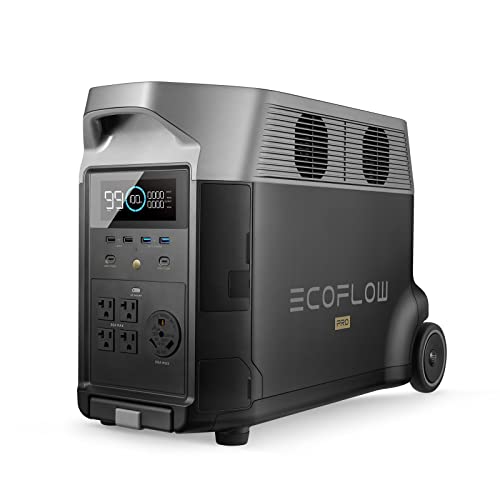
- Best Battery Station for Tesla Emergency Charge: EcoFlow DELTA Pro 3600Wh – 3600W output with NEMA 14-50 adapter support, silent indoor charging, adds meaningful emergency range without fuel
- Best Compact Battery Option: Jackery Explorer 2000 v2 2042Wh – 2200W output, portable battery station for Level 1 trickle charging and emergency range top-up
- Best High-Capacity Battery Station: Bluetti AC200MAX 2048Wh – 2200W output, expandable with extra battery modules, suitable for sustained overnight Level 1 charging
- Best AC200 Alternative: Bluetti AC200L 2048Wh – updated AC200 with improved charging speed and efficiency, 2400W output for faster Level 1 charging sessions
- Best Generator with NEMA 14-50 for Level 2: DuroMax XP12000EH 12000W Dual Fuel – high output with NEMA 14-50 outlet enables Level 2 charging rate from a generator
- Best Conventional Generator for Tesla: Westinghouse WGen7500DF 9500W Dual Fuel – NEMA 14-50 outlet, dual fuel, adequate output for Level 2 charging via Tesla’s Mobile Connector
Using a portable generator to charge a Tesla is a legitimate emergency preparedness scenario, but the practical expectations require calibration. Level 1 charging from a standard 120V outlet adds approximately 3 to 5 miles of range per hour. Level 2 charging from a 240V NEMA 14-50 outlet using Tesla’s Mobile Connector adds approximately 20 to 30 miles per hour. A 12-hour overnight charging session at Level 1 adds roughly 40-60 miles of range – not a full charge, but meaningful emergency range for most scenarios. A 4-hour session at Level 2 from a properly sized generator adds 80-120 miles.
The generator requirements for each charging level are significantly different. Level 1 charging draws approximately 1440 watts from a standard 120V 12A circuit (Tesla’s default Level 1 rate). Almost any inverter generator handles this, including compact 2000W units. Level 2 charging at the NEMA 14-50 rate draws approximately 7200 watts at full speed. This requires a generator with a NEMA 14-50 outlet and at least 7200 running watts – a capability that sits in the 9000-12000 watt generator class and cannot be provided by compact portable inverter generators. Battery power stations provide an intermediate option: quiet indoor charging without fuel, at Level 1 rates, for as long as the battery capacity lasts.
The most practical generator use case for Tesla owners is not daily charging – it is emergency range extension when stranded without charging access. Adding 40-60 miles of range from a portable generator is the difference between reaching the nearest Supercharger and being stuck. For this emergency scenario, a battery power station delivering Level 1 charging is adequate, silent, and requires no fuel logistics.
Understanding Tesla Generator Charging
Tesla vehicles charge through a J1772 AC charging standard. The Mobile Connector provided with Tesla vehicles includes adapters for NEMA 5-15 (standard household outlet, Level 1), NEMA 14-50 (dryer-style outlet, Level 2), and other configurations. For generator use, the Mobile Connector plugged into a NEMA 5-15 outlet on any standard generator provides Level 1 charging at approximately 12 amps. For Level 2 charging, the NEMA 14-50 adapter requires an outlet on the generator that provides genuine 240V 50A capacity – which most portable inverter generators cannot supply. Only large dual fuel or conventional generators in the 9000-12000W class typically include a NEMA 14-50 outlet with sufficient circuit capacity for Level 2 charging speed.
Battery power stations connect via their standard 120V AC outlets to the Tesla Mobile Connector with NEMA 5-15 adapter, delivering Level 1 charging silently and without fuel. The range added per hour of charging from a power station is identical to Level 1 from any other source: approximately 3-5 miles per hour. For the broader context of EV charging from portable power sources, the Level 2 EV charging generator guide covers the full wattage and outlet requirements in detail.
Best Portable Power Sources for Tesla – Reviewed
EcoFlow DELTA Pro – The Most Capable Battery Station for Tesla Charging
At 3600Wh capacity and 3600W output, the EcoFlow DELTA Pro is the largest practical portable battery power station for Tesla emergency charging. At Level 1 charging (1440W draw), the DELTA Pro delivers approximately 2.5 hours of continuous charging from a full battery, adding roughly 12-15 miles of Tesla range. This is not a substitute for a Supercharger session, but it is genuine emergency range extension that can reach the nearest charging station from a stranded location.
The DELTA Pro supports expansion with EcoFlow’s Smart Generator integration – an EcoFlow gasoline generator that automatically recharges the DELTA Pro when battery drops below a set threshold, creating an extended silent charging system where the gas engine runs only to recharge the battery station rather than directly powering the car. Two DELTA Pro units can be connected for 7200Wh total capacity – approximately 5 hours of Level 1 Tesla charging, adding 20-25 miles of range. The silent operation means charging can happen indoors, in a garage, or in any enclosed space safely. EcoFlow also supports NEMA 14-50 output on the DELTA Pro via an adapter configuration for faster charging rates where the car accepts it.
Best for: Tesla owners who want the largest available portable battery station for emergency range extension, anyone who wants silent indoor EV charging capability without fuel logistics, overlanders and long-distance travelers who want both vehicle charging and home backup from one large station.
Jackery Explorer 2000 v2 – Reliable Battery Station at Practical Capacity
The Jackery Explorer 2000 v2 at 2042Wh and 2200W output provides a practical balance of capacity, portability, and charging capability for Tesla emergency use. At Level 1 charging draw (approximately 1440W), the Explorer 2000 v2 delivers approximately 1.4 hours of continuous Tesla charging from a full battery, adding roughly 7-8 miles of range. This is meaningful emergency range in a stranded scenario. The LiFePO4 battery chemistry extends service life across years of regular use, making the Explorer 2000 v2 a durable investment rather than a consumable backup accessory.
The Explorer 2000 v2 can also be recharged from Jackery’s SolarSaga solar panels during the day, creating a renewable-energy charging cycle for both the power station and (indirectly) the Tesla. The 2200W output handles the 1440W Level 1 charging load with 760W of capacity remaining for other devices simultaneously – powering a laptop, phone charger, and camping equipment while the Tesla charges from the same station. For a broader look at battery power station options for combined EV and home backup use, see the portable solar generator guide.
Best for: Tesla owners who want a practical portable charging solution that also serves as a home backup and travel power station, campers who want to charge a Tesla while camping off-grid, anyone building a combined solar and battery backup setup.
Bluetti AC200MAX – Expandable Capacity for Extended EV Charging
The Bluetti AC200MAX distinguishes itself from other battery power stations by supporting external battery expansion modules. A standard AC200MAX at 2048Wh can be expanded with Bluetti B230 or B300 modules to reach 8192Wh total capacity – the highest expandable capacity in the portable battery station class. At maximum expansion, the AC200MAX system provides over 5 hours of Level 1 Tesla charging from a single overnight charge of the battery system, adding 20-30 miles of Tesla range per solar day in a combined solar-and-battery setup.
For Tesla owners who invest in solar charging infrastructure at home or at a vacation property, the expandable AC200MAX provides a scalable battery buffer that grows with the solar installation. The 2200W output handles Level 1 Tesla charging while simultaneously powering a full home electronics setup. Dual charging inputs allow simultaneous AC and solar recharging of the battery system, reducing the time to full recharge between charging sessions.
Best for: Tesla owners with solar panels who want an expandable battery system that grows with energy capacity needs, anyone planning a long-term off-grid or hybrid EV charging setup, those who want the most flexible battery expansion path in the portable station category.
Bluetti AC200L – Faster Charging and Updated Platform
The Bluetti AC200L is the updated successor to the AC200MAX with improved charging speed, higher output wattage at 2400W, and a refined battery management system. At 2048Wh and 2400W output, it handles Level 1 Tesla charging at 1440W with 960W available for other loads simultaneously. The faster recharging time from solar and AC inputs means the AC200L can be topped up more quickly between Tesla charging sessions compared to earlier AC200 generations. For buyers choosing between the AC200MAX and AC200L, the AC200L’s faster recharging and higher output make it the better pick for new purchases unless the AC200MAX’s specific battery expansion module compatibility is required for an existing setup.
The LiFePO4 battery chemistry on both Bluetti AC200 series models provides the same cycle life advantages – maintaining over 80% capacity for 3500+ charge cycles – that makes these stations practical long-term EV charging investments rather than one-time emergency accessories.
Best for: Buyers choosing between AC200MAX and AC200L who want the latest improved platform, anyone who prioritizes faster recharging speed for more frequent Tesla charging sessions, Tesla owners who want the highest output in the 2000Wh class battery station.
DuroMax XP12000EH – Genuine Level 2 Charging Speed from a Generator
Level 2 charging from a portable generator requires a NEMA 14-50 outlet delivering genuine 240V at 50 amps – a specification that exists only on large-format generators in the 9000-12000W class. The DuroMax XP12000EH at 12,000 peak watts with a NEMA 14-50 outlet enables Tesla to charge at Level 2 speed via the Tesla Mobile Connector’s NEMA 14-50 adapter. At Level 2 rate (approximately 7200W), the Tesla adds 20-30 miles of range per hour – making a 2-3 hour generator session meaningful for extending range before a long drive or after arriving at a destination without charging infrastructure.
The dual fuel design runs on either gasoline or propane, which is relevant for a generator of this size where fuel logistics for a 12,000W unit are significant. Running on propane from a bulk tank provides a convenient extended-use fuel source. This is not a generator most people would purchase specifically for Tesla charging – at 12,000 watts it serves as a whole-home backup generator that also provides Level 2 EV charging capability as a secondary function. For Tesla owners who need whole-home backup and want Level 2 EV charging from the same generator, the DuroMax XP12000EH covers both requirements.
Best for: Tesla owners who need a whole-home backup generator and want Level 2 EV charging capability from the same unit, homeowners in rural areas or areas with frequent extended outages who want the option to charge their EV from generator power during a multi-day outage.
Westinghouse WGen7500DF – Level 2 Capable Dual Fuel Generator
The Westinghouse WGen7500DF at 9500 peak watts on gasoline with a NEMA 14-50 outlet provides Level 2 Tesla charging capability at a slightly smaller generator scale than the DuroMax XP12000EH. The 7500 running watts is technically sufficient for Level 2 charging at 7200W, though it operates near the running watt limit – meaning the generator should not be running other significant loads simultaneously during Level 2 Tesla charging. The dual fuel capability provides propane as an alternative for extended-use fuel management.
For Tesla owners who already own or are considering a Westinghouse generator for home backup, verifying that the specific model includes a genuine NEMA 14-50 outlet (not just a TT-30 30A outlet) is important before planning Level 2 Tesla charging. The WGen7500DF includes both 30A and NEMA 14-50 outlets. The Westinghouse dealer network provides service accessibility for a generator at this size and price tier that is being used for demanding combined applications. For the comprehensive look at generator options for Level 2 EV charging, see the EV charging generator guide.
Best for: Tesla owners who need home backup and want Level 2 EV charging capability, Westinghouse ecosystem users who want to stay within the same brand for generator purchases, anyone comparing DuroMax and Westinghouse at the 9000-12000W class for combined home-plus-EV use.
Generator Charging vs Supercharger: Practical Expectations
When to Use Generator Charging
Generator and battery station charging is for emergency range extension and off-grid situations – not for replacing regular home or Supercharger charging. The scenarios where generator charging makes sense: arriving at a remote cabin or campsite that needs a 30-mile range top-up to reach the nearest Supercharger the next morning; an extended power outage at home when the car is near empty and the next Supercharger is 50 miles away; a road trip in a region with limited Supercharger coverage where a gasoline generator provides true range insurance. For routine daily charging, standard home outlets and public charging infrastructure are always the correct choice.
Noise and CO Safety Considerations
Gas generators must never be used inside a garage to charge a Tesla – CO accumulates rapidly in enclosed spaces. Battery power stations are the only safe option for indoor EV charging. For outdoor generator use, position the generator at the standard 20-foot minimum distance from any door, window, or vent. Run the Tesla’s charging cable from the generator outlet to the car’s charge port – a 25-50 foot outdoor extension cord of appropriate gauge handles the Level 1 charging distance without significant voltage drop.
FAQs
How much range does a portable generator add to a Tesla per hour?
Level 1 charging (120V): approximately 3-5 miles of range per hour. Level 2 charging from a NEMA 14-50 outlet (240V): approximately 20-30 miles per hour. Battery power station charging: same as Level 1, approximately 3-5 miles per hour for as long as the battery station’s capacity lasts. An overnight Level 1 session of 8-10 hours adds roughly 30-50 miles of range – meaningful emergency coverage but not a substitute for a full Supercharger session.
Can I charge a Tesla with a Honda EU2200i?
Yes, at Level 1 speed. The EU2200i’s standard 120V outlets accept the Tesla Mobile Connector with NEMA 5-15 adapter. Tesla will charge at the standard Level 1 rate of approximately 12 amps, adding 3-5 miles per hour. The EU2200i at 1800 running watts handles the 1440W Level 1 charging load at approximately 80% of running capacity – manageable for a short session but operating near the efficient capacity limit. For extended charging sessions, a 2500W or larger generator provides more comfortable margin.
Do I need a special generator for Tesla charging?
No. Any generator with a standard NEMA 5-15 outlet works for Level 1 Tesla charging using the Mobile Connector. No special configuration or adapter is needed beyond what Tesla provides with the vehicle. For Level 2 charging speed, a generator with a NEMA 14-50 outlet and sufficient running wattage (7200W+) is required, which limits this capability to large-format generators in the 9000-12000W class.
Final Verdict
For most Tesla owners whose emergency preparedness goal is range extension rather than full home backup, the EcoFlow DELTA Pro is the most capable and convenient solution: 3600Wh of silent indoor-safe charging capacity, expandable with solar, and versatile for all home backup uses beyond EV charging. The Jackery Explorer 2000 v2 is the more portable alternative at lower capacity for owners who want a lighter station that also travels with the vehicle.
For Tesla owners who need genuine Level 2 charging speed from a generator – and who also need that generator for whole-home backup – the DuroMax XP12000EH provides the wattage and NEMA 14-50 outlet for both applications from a single dual fuel generator. The key expectation to set: portable generator charging is for emergency use, not daily convenience. For daily charging, the power grid always wins.





Write Your Review
No reviews yet. Be the first to share your experience!