






Top Quiet Camping Generators
Below are some of the best quiet camping generators, selected for their low noise levels, portability, and dependable performance.
-
Best Overall: Honda EU2200i Super Quiet Inverter Generator
-
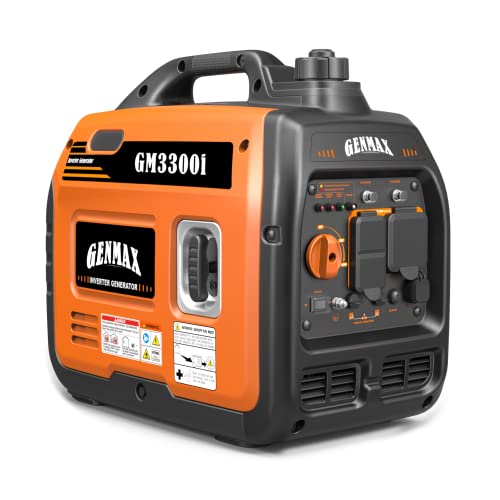
Best Budget: GENMAX 3300i Lightweight Inverter Generator
-
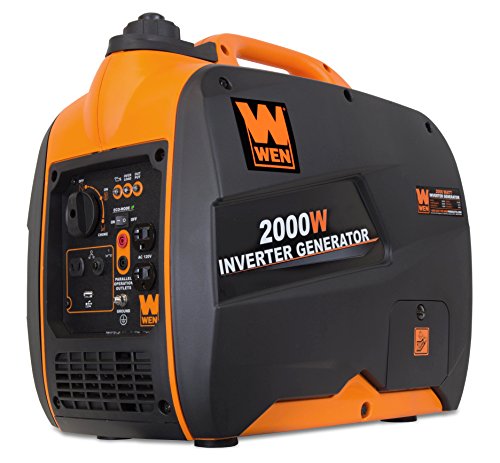
Best Lightweight: WEN 56200i 2000W Inverter Generator
-
Best Dual-Fuel: DuroMax XP4850EH Dual Fuel Portable Generator
-
Best Long Runtime: Yamaha EF2200iS Inverter Generator
-
Best High-Power: Westinghouse iGen5000 Inverter Generator
-
Best Solar: Goal Zero Yeti 300 Portable Power Station
Not all generators are suitable for camping. In many campgrounds, noise restrictions and limited space make it important to choose a compact, low-noise generator that can still provide enough power for essential devices.
The models listed above represent some of the best quiet generators for camping, covering different needs such as lightweight portability, longer runtime, higher power output, and even solar-powered options for completely silent operation.

What Makes a Generator Quiet for Camping?
A quiet camping generator typically features inverter technology, which adjusts engine speed based on load, an enclosed case (sound-dampening casing), and a high-quality muffler.
When choosing a generator for camping, noise level is one of the most important factors.
A quiet generator helps maintain a peaceful outdoor environment and ensures you don’t disturb nearby campers. Several key factors determine how quiet a generator will be.
1. Noise level
Generator noise is usually measured in decibels (dB). The lower the number, the quieter the generator.
- 50 – 60 dB: considered very quiet and ideal for camping
- 60 – 70 dB: moderate noise level
- 70 dB and above: may be too loud for most campsites
For comparison, normal conversation is around 60 dB, which is why many camping generators aim to stay around this range.
2. Inverter generator technology
Most quiet generators designed for camping use inverter technology. Unlike conventional generators that run at a constant speed, inverter generators adjust engine speed based on power demand. This not only improves fuel efficiency but also significantly reduces noise levels.
3. Eco mode or smart throttle
Many modern generators include Eco Mode (or Smart Throttle). This feature automatically lowers the engine speed when fewer devices are connected, which helps:
- Reduce noise
- Save fuel
- Extend runtime
4. Generator size and power output
Larger generators with higher wattage often produce more noise because they have bigger engines. For camping, smaller generators in the 1000 – 2200W range are usually quieter and more portable.
Noise Rules for Generators at Campgrounds
Generator rules in campgrounds typically restrict noise to 60 dB or less at a distance of 50 feet. Quiet hours (often 10 p.m. to 6 a.m.) are strictly enforced, during which no generators may be operated. It is recommended to use inverter generators and avoid running them for more than an hour at a time, keeping them on designated pads.
- Most campgrounds, including many national parks, enforce generator noise limits, often requiring that generators do not exceed 60 decibels measured at 50 feet to help maintain a quiet camping environment.
- Generator use is usually limited to specific authorized hours during the day, and many campgrounds strictly prohibit generator operation during nighttime quiet hours.
- Generators must be placed on designated non-flammable surfaces, positioned away from trees, and arranged so that the exhaust is not directed toward neighboring campsites.
- Many campgrounds encourage or require inverter generators because they produce lower noise levels and are more suitable for shared outdoor environments.
- Some campgrounds may completely ban generators in order to preserve a quiet and natural camping atmosphere.
Detailed Reviews of the Best Quiet Generators for Camping
Here are some of the best quiet camping generators that balance low noise, portable design, and enough power for essential outdoor gear.
Best Overall for Camping
If quiet operation is the priority when camping, the Honda EU2200i Super Quiet Inverter Generator is still one of the easiest generators to recommend. The first thing you notice after starting it is how smooth and calm the engine sounds. At lower loads it runs around 48 – 57 dBA, which is quiet enough that normal conversation nearby isn’t affected. At most campsites it simply blends into the background.
Portability also plays a big role here. The unit weighs roughly 47 pounds, so lifting it in and out of a vehicle is simple. I’ve used generators in this size range during camping trips where they mainly powered a small electric cooler, lights around the campsite, and charged phones and camera batteries.

The EU2200i handles those loads comfortably without sounding like it’s working hard.
Another reason this model works well for camping is the clean inverter power. Sensitive gear like laptops, drones, or portable projectors can run safely without worrying about unstable voltage.
The generator includes two AC outlets and USB charging options through adapters, which is usually enough for typical camping setups. With Eco-Throttle enabled, it can also run for many hours on a single tank, making overnight operation very manageable.
Best Budget Generator for Camping
The GENMAX 3300i Lightweight Inverter Generator is a good example of a budget generator that still keeps noise levels reasonable for camping environments. While it isn’t quite as whisper-quiet as premium inverter models, the engine tone remains relatively soft compared to traditional open-frame generators. At moderate loads the sound level stays comfortable enough for campsites where loud generators would be annoying.
One thing I noticed about this generator is that it offers more power than many entry-level camping units.
With around 3300 starting watts, it can run things like portable induction cooktops, coffee makers, or larger electric coolers that smaller generators sometimes struggle with.
Despite the higher output, the design stays portable. The weight is manageable and the built-in handle makes loading it into a truck or SUV fairly easy. For campers who want more power without jumping into expensive premium models, the GENMAX 3300i delivers a practical balance of affordable price, decent noise control, and usable output for campsite gear.
Best Lightweight Quiet Generator
When portability is the main concern, the WEN 56200i 2000W Inverter Generator is one of the simplest generators to travel with. It weighs around 39 pounds, which is noticeably lighter than many camping generators in the 2000-watt class. Carrying it from the car to a campsite feels effortless compared with heavier machines.
Noise is also well controlled. The inverter engine design keeps the sound level fairly low, especially when running smaller loads like charging batteries or powering lights.
For quiet campgrounds where loud generators are frowned upon, this smaller unit usually stays within acceptable noise levels.

The generator produces enough power to handle the basics. During camping trips I’ve seen units like this run LED campsite lighting, portable fans, phone chargers, and small cooking appliances without problems. The outlets are simple but practical, including AC ports and USB charging options. It’s not designed for heavy electrical loads, but for lightweight camping setups it works extremely well.
Best Dual-Fuel Quiet Generator for Camping

Fuel flexibility can make a big difference when you’re camping in remote areas, and that’s where the DuroMax XP4850EH Dual Fuel Portable Generator stands out. The ability to run on gasoline or propane gives you options depending on what fuel is easier to bring along. Many campers actually prefer propane because it burns cleaner and stores easily.
Although this generator produces more power than typical small camping units, the engine tone is still reasonable for outdoor use. When placed a short distance from the campsite, the noise level remains manageable while delivering enough electricity to support larger gear.
Power output is strong enough for things like portable air conditioners in RV setups, electric grills, or multiple appliances running at once. The control panel includes several outlet types, which makes connecting camping equipment straightforward.
For campers who need extra power but still want a portable unit with flexible fuel options, this generator covers a lot of ground.
Best Long Runtime Generator for Camping
The Yamaha EF2200iS is known for its smooth engine sound and excellent runtime. Yamaha’s inverter generators are engineered to keep noise low while maintaining steady power output, and this model does that extremely well. Even when running moderate loads, the sound profile remains soft and consistent rather than harsh.
What makes it particularly useful for camping is the long runtime capability. With its fuel tank and efficient engine control, it can run many hours without refueling, especially when powering lighter loads.
That means you can keep essential gear running overnight without worrying about constantly checking the generator.

In real camping situations, generators like this often power electric coolers, campsite lighting, phone charging stations, and small kitchen appliances. Yamaha EF2200iS Inverter Generator handles those tasks easily while maintaining quiet operation that doesn’t disturb nearby campers.
Best High-Power Generator for Camping
For campers who need more electricity than the typical 2000-watt generator provides, the Westinghouse iGen5000 offers a big step up while still keeping noise under control.
Despite the higher power output, the inverter design helps maintain a relatively quiet operation compared with traditional generators in the same class.
This generator is especially useful for larger campsite setups or RV camping where more devices are running simultaneously. Things like portable refrigerators, electric cooktops, lighting systems, and battery chargers can all run at once without pushing the generator too hard.

Even with the higher output, portability remains reasonable thanks to the built-in wheels and pull handle. Moving it across a campsite or parking area is easy enough for one person. For campers who want strong electrical capacity but still care about noise levels, the Westinghouse iGen5000 Inverter Generator strikes a solid balance.
Best Solar Generator for Camping
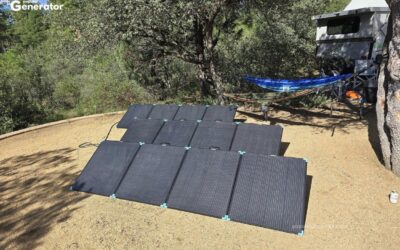
For campers who want completely silent power, the Goal Zero Yeti 300 offers a different approach. Instead of using a gasoline engine, it relies on a rechargeable battery system that can be paired with solar panels.
That means absolutely zero engine noise, which is ideal for quiet campsites or national parks where generators may be restricted.
The unit is compact and very easy to carry. You can move it around the campsite without effort, and it fits easily in a vehicle alongside other camping gear. Even though it’s small, it still provides enough energy for essential electronics like phones, headlamps, GPS devices, cameras, and laptops.
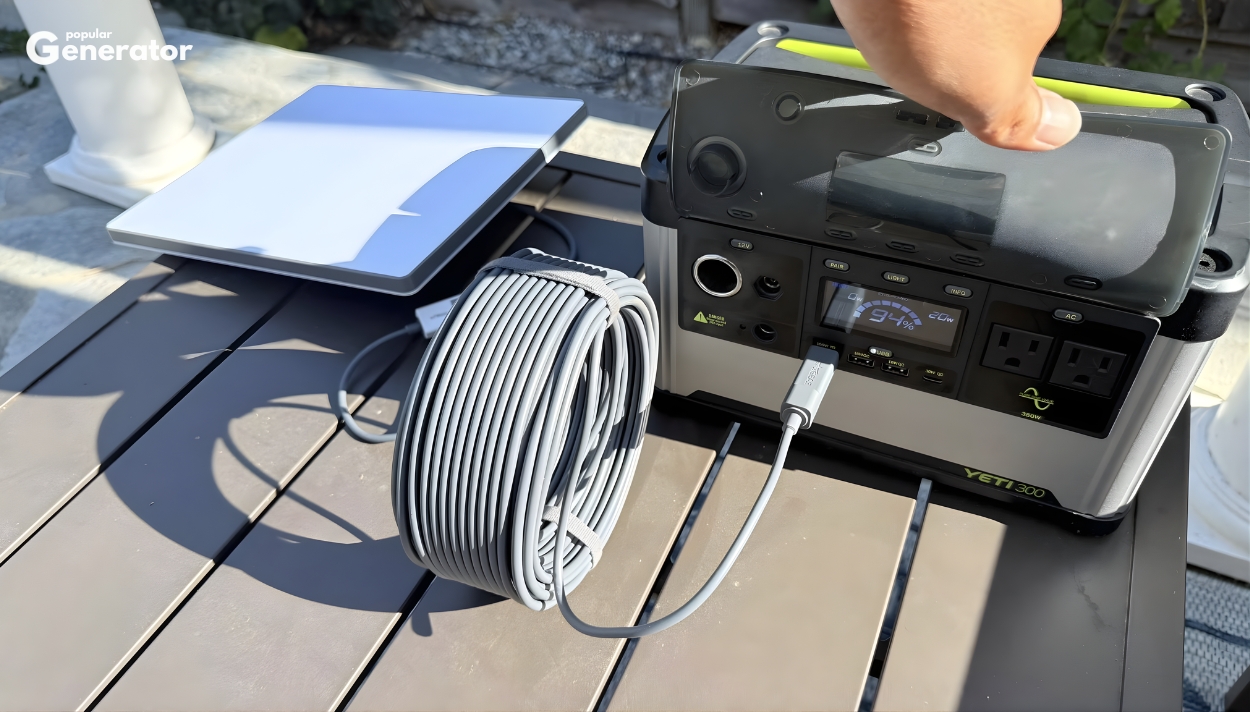
Paired with a folding solar panel, the Goal Zero Yeti 300 Portable Power Station can recharge during the day while you’re out hiking or exploring. That makes it a very practical solution for off-grid camping where silent power and portability matter more than raw wattage.
How Much Power Do You Need for Camping?
The amount of power you need for camping depends on the devices you plan to run during your trip. Most campers only need electricity for small essentials, so a large generator is usually unnecessary. Understanding the typical power requirements of camping equipment will help you choose the right generator size.
| Device | Estimated Watts |
|---|---|
| LED camping lights | 5 – 20W |
| Phone charger | 5 – 10W |
| Laptop | 50 – 100W |
| Portable fridge | 40 – 80W |
| Electric cooler | 60 – 100W |
| Coffee maker | 600 – 800W |
| Electric grill | 1000 – 1500W |
Tip: It’s a good idea to choose a generator that offers slightly more capacity than your estimated usage. This ensures the generator doesn’t run at full load all the time, which helps reduce noise, improve efficiency, and extend the generator’s lifespan during your camping trip.
FAQs About Quiet Generators for Camping
Q: What is considered a quiet generator for camping?
A generator is generally considered quiet for camping if it produces between 50 and 60 decibels (dB) at a standard distance. This noise level is similar to normal conversation and is usually acceptable in most campgrounds and RV parks.
Q: Are inverter generators quieter than regular generators?
Yes, inverter generators are typically much quieter than conventional generators. They automatically adjust engine speed based on power demand, which helps reduce both noise and fuel consumption.
Q: Can I run a generator overnight while camping?
In many campgrounds, generators cannot be run overnight because of campground quiet hours, which usually start around 9 or 10 PM and last until early morning. Always check the specific rules of the campground before using a generator at night.
Q: Are solar generators better for quiet camping?
Solar generators are a great option for quiet camping because they produce no engine noise and no emissions. However, their power output may be lower than gas generators, so they are best suited for charging devices, lights, and small appliances.


Write Your Review
No reviews yet. Be the first to share your experience!