


Top Quiet Portable Generator Models
The best quiet portable generators, operating between 50-60 dB, are inverter models that offer fuel efficiency and low noise levels suitable for camping or home backup.
- Best Overall: Honda 664240 EU2200i 2200 Watt Portable Inverter Generator (48 – 57 dB)
- Best for RV Use: Westinghouse iGen4500 5000 Peak Watt Generator (52-55 dB)
- Best Dual-Fuel: Cummins Onan P4500iDF Dual Fuel Inverter Generator (52 dB)
- Best Lightweight: YAMAHA EF2200iS Inverter Generator (51.5 dB)
- Best Budget: Champion Power Equipment 2500-Watt Ultralight Generator (53 dB)
What is Considered a Quiet Portable Generator?
For most people new to generators, the first question is simple: how quiet is “quiet”? Generator noise is measured in decibels (dB), and even small differences in dB can make a noticeable change in how loud a machine sounds in real life.
In general, a quiet portable generator operates somewhere between 50 and 60 dB. At this level, the sound is similar to everyday background noise and usually won’t disturb nearby campers, neighbors, or people inside the house. This is why quiet inverter generators are commonly used for camping, RV trips, tailgating, and residential backup power.
To put those numbers into perspective:
- 50 dB → very quiet, similar to the hum of a refrigerator
- 55 dB → about the level of a normal conversation
- 60 dB → typical for many inverter generators under moderate load
- 70 dB+ → much louder, similar to a lawn mower or construction equipment
Most modern quiet generators achieve these lower noise levels by using inverter technology and enclosed designs. Unlike traditional open-frame generators, inverter models have insulated housings that help absorb engine noise. They also adjust engine speed automatically based on power demand, which reduces both fuel consumption and sound output when the load is low.
However, noise level is only one part of the equation. The word portable matters just as much when choosing a quiet generator. A truly portable unit should be easy to move and transport, especially if you plan to take it camping or store it as an emergency backup.
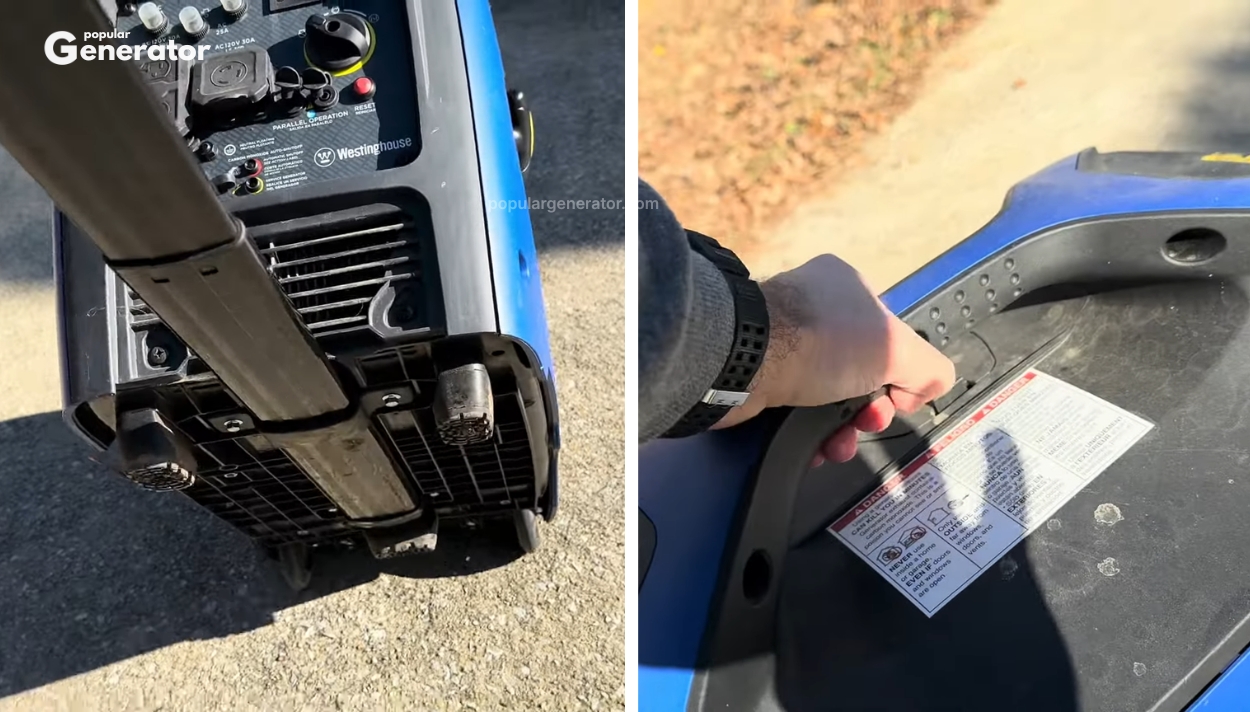
In practical terms, this usually means looking at weight and mobility features such as:
- Lighter units that can be carried easily
- Built-in handles or folding carry handles
- Telescoping pull handles similar to luggage
- Wheels or wheel kits for heavier models
Many compact inverter generators weigh 40 to 50 pounds, making them easy for one person to carry. Larger units with higher wattage may weigh closer to 90 – 100 pounds, but they often include wheels and extendable handles so they can still be moved without much effort.
Quick Review of the Quietest Portable Generators
If you’re looking for a quiet portable generator, the models below stand out for keeping noise levels low while still delivering reliable power.
1. Best Overall Quiet Portable Generator
The Honda EU2200i remains one of the quietest and most practical portable generators in its class. At 25% load it operates around 48 dB, comparable to the soft hum of a refrigerator, and even at higher output it typically stays near 57 dB, roughly the level of normal conversation.
This low noise profile comes from Honda’s enclosed inverter design and Eco-Throttle system, which adjusts engine speed based on demand to keep both noise and fuel consumption down. The unit delivers 1800 running watts and 2200 peak watts, enough for essentials like a refrigerator, lights, and small electronics during outages or camping trips.
With a 0.95-gallon tank providing up to about 8.1 hours at 25% load and a weight of only 47 lbs with an integrated carry handle, it strikes one of the best balances between quiet operation and true portability.
2. Best Quiet Generator for RV Use
The Westinghouse iGen4500 is a popular RV generator because it combines high output with relatively low noise for its size. Under light load the generator runs at roughly 52–55 dB, similar to conversation level, which helps it stay campground-friendly compared with louder open-frame generators.
Despite its quiet operation, it produces 3700 running watts and 4500 peak watts, enough to start and run many RV air conditioners along with smaller appliances.
The enclosed inverter design and economy mode help control engine speed and reduce sound when loads are lighter. While heavier than small inverter models at about 98 lbs, the generator includes built-in wheels and a telescoping handle, making it portable enough for RV travel and campsite setup.
3. Best Dual-Fuel Quiet Generator
The Cummins Onan P4500iDF offers the advantage of dual-fuel capability while maintaining quiet inverter performance. Noise output is rated around 52 dB at light load, which is significantly quieter than conventional portable generators that often exceed 70 dB.
The enclosed inverter housing helps reduce engine noise while delivering 3700 running watts and 4500 peak watts, enough to power RV appliances, refrigerators, lights, and electronics. Its ability to run on either gasoline or propane provides flexibility during extended trips or emergency outages.
Although it weighs around 98 lbs, the generator includes integrated wheels and a pull handle, allowing it to remain reasonably portable despite its higher power capacity.
4. Best Lightweight Quiet Portable Generator
The Yamaha EF2200iS is known for combining solid power with relatively quiet operation in a compact design. At light load the generator operates around 51.5 dB, which is similar to background conversation, while heavier loads push it closer to the low 60 dB range.
It delivers 1800 running watts and 2200 peak watts, making it capable of powering essentials such as a refrigerator, lights, or small kitchen appliances. Yamaha’s Smart Throttle system automatically adjusts engine speed based on demand to reduce both fuel use and noise when full power is not required. Weighing about 55 lbs and featuring a large integrated carry handle, it remains manageable for single-person transport and works well for camping or mobile use.
5. Best Budget Quiet Portable Generator
The Champion 2500-Watt Ultralight generator is one of the most affordable quiet inverter generators while still keeping noise levels relatively low. It produces about 53 dB at 23 feet under light load, which falls within the typical range for quiet portable generators and is far less disruptive than traditional construction-style units.
The generator provides 1850 running watts and 2500 peak watts, enough to power basic appliances like a refrigerator, lights, TVs, or small electronics during outages or outdoor use. Its biggest advantage is portability: the unit weighs around 39 lbs, making it significantly lighter than many competitors, and the compact design with a simple carry handle allows it to be easily transported for camping or emergency backup power.
Does a Generator Run Quieter on Gasoline or Propane?
Generators generally run quieter on propane than on gasoline. Propane burns cleaner and produces a steadier, smoother combustion, which reduces engine noise. While the noise difference is often minor (a few decibels), propane offers a quieter experience suitable for camping or residential areas.
- Noise Level: Generators running on propane typically operate in the 50–70 dB range, depending on size and load. The reduction compared with gasoline is usually minor, but propane engines often sound smoother and less harsh.
- Cleaner Combustion: Propane burns cleaner than gasoline, which can reduce carbon buildup and engine stress over time. A cleaner-running engine can sometimes operate more smoothly and quietly.
- Power Output: Propane contains slightly less energy per gallon than gasoline, so generators usually produce a bit less maximum wattage when running on propane.
- Fuel Convenience: Gasoline is easy to find but has a short shelf life and can degrade over time. Propane, on the other hand, stores much longer without going bad, making it useful for emergency backup power.
6 Tips to Make Any Generator Quieter
Even the quietest portable generators can still produce noticeable noise, especially when running at higher loads. The good news is that a few simple adjustments can make a significant difference. By improving placement, reducing vibration, and maintaining the engine properly, you can noticeably lower the sound level of almost any generator.
1. Increase Distance and Adjust Position
One of the simplest ways to reduce generator noise is to move it farther away from your living area. As a general rule, placing the generator at least 20 feet away from your home, campsite, or RV can make the sound much less noticeable. Sound intensity drops quickly with distance, and even doubling the distance can reduce perceived noise by several decibels.
Position also matters. Try to point the exhaust away from where people are sitting or sleeping, since most generator noise comes directly from the engine and exhaust outlet.
2. Place the Generator on Soft Ground
The surface under the generator plays a surprisingly large role in how loud it sounds. Hard surfaces such as concrete or pavement reflect sound waves, which can make the noise seem louder.
Whenever possible, place the generator on grass, dirt, or sand. Softer ground naturally absorbs some of the sound and vibration, helping to reduce the overall noise level.
3. Reduce Vibration with Rubber Mats
A portion of generator noise comes from vibration traveling through the ground or platform. Placing a rubber mat, gym mat, or anti-vibration pad under the generator can significantly reduce this effect.
These mats help isolate the engine from the surface below it, preventing vibration from amplifying the sound.
4. Use Sound Barriers or Acoustic Enclosures
Another effective technique is to use sound barriers or acoustic baffles. Even simple materials like angled plywood panels placed around the generator can help redirect sound upward and away from your campsite or house.
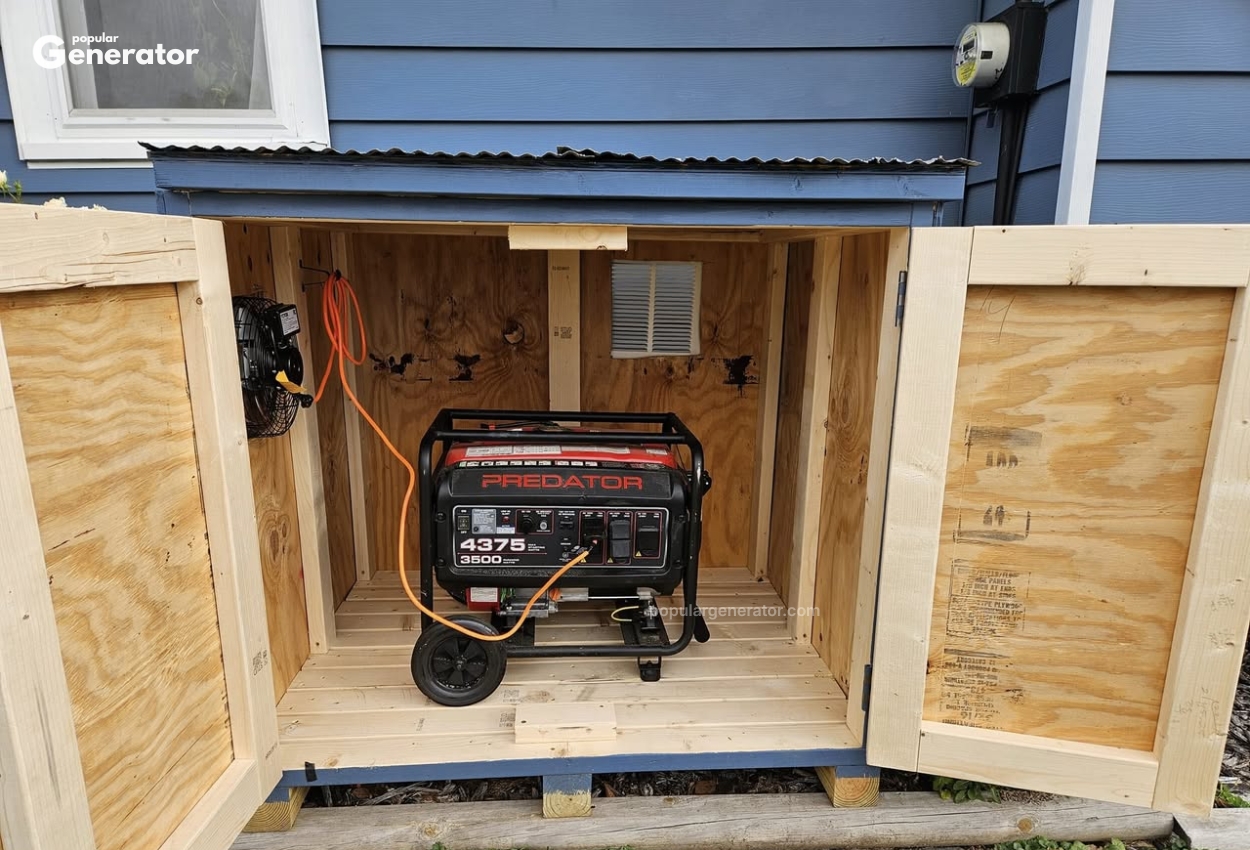
Some users build a DIY generator sound box using plywood lined with sound-absorbing foam or old carpet. This can block a large portion of the engine noise, but it must be designed carefully. A generator enclosure should always have adequate ventilation to allow heat to escape and prevent overheating.
5. Keep the Generator Well Maintained
A poorly maintained generator often runs louder than necessary. Simple maintenance steps can keep the engine running smoothly and quietly.
Important maintenance tasks include:
- Tightening loose bolts and fasteners
- Changing engine oil regularly
- Keeping the air filter clean
- Checking for worn engine components
When the engine runs efficiently, it produces less vibration and less mechanical noise.
6. Consider a Muffler or Exhaust Extension
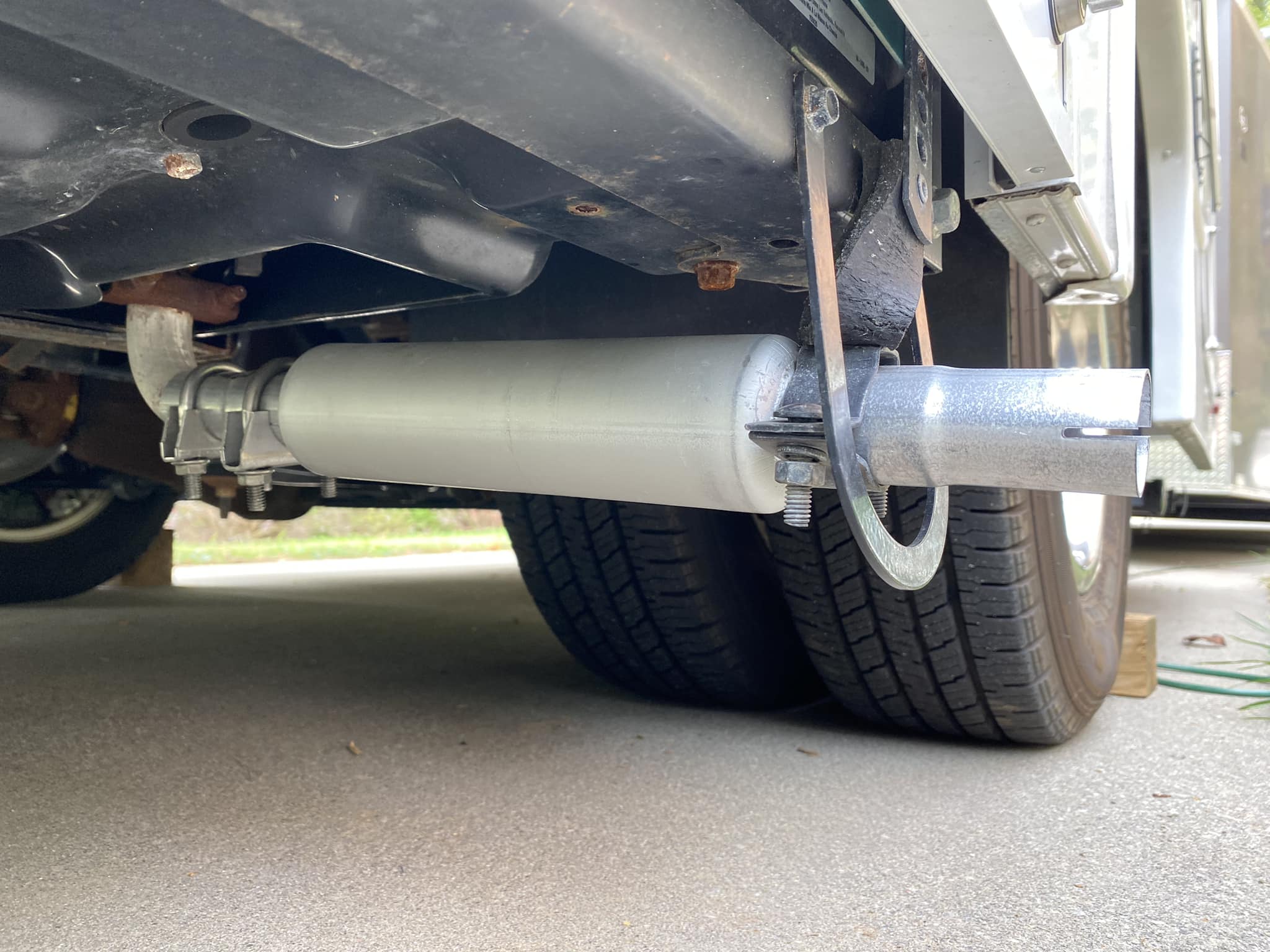
Some generator owners install aftermarket mufflers or exhaust extensions to reduce sound coming directly from the exhaust outlet. While this does not eliminate noise completely, it can help disperse sound more effectively and lower the perceived noise level.
Frequently Asked Questions
Q: Is 60 dB loud for a generator?
60 dB is considered quiet for a generator, often comparable to the sound of a normal conversation, light traffic, or a quiet office. It is an ideal noise level for camping, RVing, or residential use, as it is much quieter than standard portable models that typically operate at 70–90 dB.
Q: Are inverter generators quieter?
Yes, inverter generators are significantly quieter than traditional generators, typically operating at 50 – 60 dB (similar to a normal conversation) compared to 65 – 75+ dB for conventional models. They achieve this through variable-speed engines that reduce noise under low loads, fully enclosed sound-dampened housings, and efficient, smaller-displacement engines.
Q: Can you run a generator overnight in a campground?
Generally, you cannot run a generator overnight in a campground, as most enforce strict “quiet hours,” often from 8 PM to 8 AM or 10 PM to 6 AM. While some private campgrounds or specific “generator-friendly” sites may allow it, constant overnight use is generally considered rude, disruptive to other campers, and against policy.
Q: How far should a generator be placed to reduce noise?
To effectively reduce noise and ensure safety, place a portable generator at least 20 feet (approx. 6 meters) away from your home, windows, doors, and vents. For maximum noise reduction, placing it 20–30 feet away is ideal, as doubling the distance can significantly reduce perceived sound intensity.


Write Your Review
No reviews yet. Be the first to share your experience!