

Propane generators have become a serious alternative to traditional gas models, especially for homeowners who care about long-term fuel storage and cleaner engine operation.
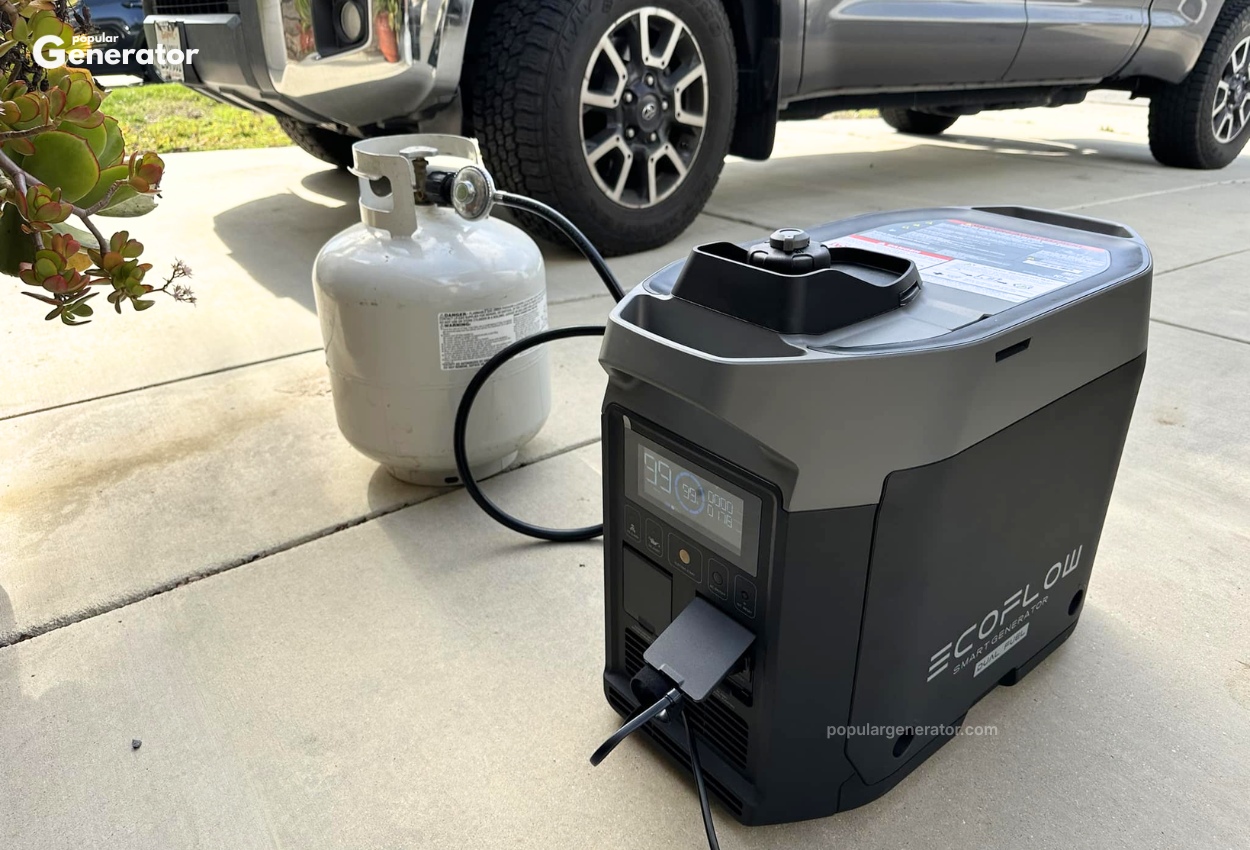
In this guide, we break down how propane generators work, their real-world pros and cons, and how to choose the right one based on your actual power needs not just the numbers printed on the box.
What Makes a Propane Generator Different
I’ve used both gasoline and propane generators, and from the outside, they look almost the same. Same frame. Same engine style. Same outlets. The real difference shows up in long term reliability, fuel storage, and how much trouble you deal with after months of not using it.
1. Fuel Stability Is a Big Deal
Gasoline goes bad. That’s just reality.
Even with stabilizer, it can gum up the carburetor if it sits too long. I’ve had to clean enough clogged carbs to know this is one of the most common failure points.
Propane is different.
- It does not degrade over time
- It does not varnish
- It does not clog the carburetor from stale fuel
A propane tank can sit for years and still work. For emergency backup, that matters more than most people think.
2. Cleaner Burning Means Less Engine Buildup
Propane burns cleaner than gasoline because it enters the engine as a vapor and combusts more completely. In real use, that means fewer carbon deposits, cleaner spark plugs, and less buildup inside the combustion chamber. Over time, the engine simply stays cleaner internally.
You still need regular oil changes and basic maintenance, but the fuel system tends to have fewer issues compared to gasoline models.
3. Slightly Lower Power Output
This is the tradeoff you need to understand.
Most generators produce slightly less wattage on propane than they do on gasoline. The difference usually isn’t huge, but it becomes noticeable when you’re running heavy startup loads like central air conditioners, well pumps, or large compressors.
If you’re choosing a propane generator, don’t size it right at your minimum requirement. Give yourself extra headroom so you’re not pushing the engine to its limit every time something kicks on.
Quick Comparison Table of the Best Propane Generators


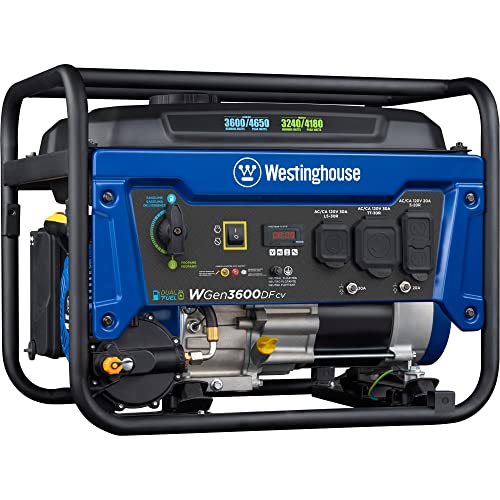


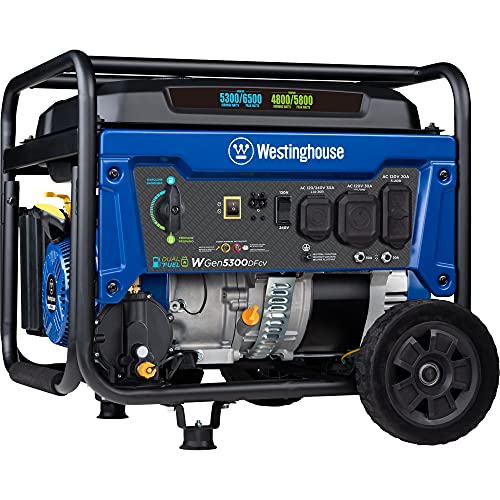
Have questions about our Best Propane Generators recommendations? Check out our How We Rank page for details on our review process or our Copyright Policy for information on content usage.
Who Should Choose Propane Over Gasoline
Propane is not automatically better than gasoline. It depends on how you actually use your generator. From real-world experience, propane makes more sense in certain situations.
1. Homeowners Who Store a Generator Long Term
If your generator sits in the garage most of the year and only comes out during outages, propane has a clear advantage. It does not go bad like gasoline. You can leave a tank sitting for months or years without worrying about stale fuel clogging the carburetor.
If reliability after long storage matters to you, propane is the safer bet.
2. Homes That Already Use Propane
If you already have a large propane tank for heating or cooking, choosing a propane generator is an easy decision. You can connect directly to your existing fuel supply and avoid dealing with gas cans during an outage.
That convenience becomes a big deal during storms or extended blackouts.
3. People Who Want Cleaner Engine Operation
Propane burns cleaner. Over time, that usually means fewer fuel system issues and less internal buildup compared to gasoline. You still need maintenance, but you’re less likely to deal with carburetor problems caused by old fuel.
4. Users Focused on Emergency Backup
For pure emergency preparedness, propane is hard to beat. You can store multiple tanks safely and know they’ll work when needed. Gasoline requires rotation and stabilizers, and even then it can cause problems.
FAQs About Propane Generators
Q: Are propane generators better than gas in 2026
Propane generators are generally superior to gasoline models in 2026 for long-term storage, maintenance, and cleaner operation, making them ideal for standby power. They do not suffer from fuel spoilage, leading to less engine damage. While propane can be less efficient than gas, its long-term reliability often outweighs the upfront cost difference.
Q: What is the best propane generator in 2026?
There isn’t one single “best” for everyone. It depends on what you’re powering. For full home backup, higher output models from brands like Generac or Champion Power Equipment are strong choices. For quieter operation and cleaner power for electronics, inverter-style models from Westinghouse are often a better fit. The best unit is the one properly sized for your actual load, not the one with the biggest number on the box.
Q: My home loses power frequently. What should I choose?
If outages are common, go with a larger propane unit that can comfortably handle your essentials without running at full throttle. Even better if you can connect it to a large residential propane tank. Constantly swapping 20 lb tanks during storms gets old fast.
Q: Do propane generators produce less power?
Yes, propane (LPG) generators typically produce less power,roughly 10% to 15% less,compared to gasoline or diesel generators of the same size. Due to propane’s lower energy density (about 73% of gasoline’s), engines produce less power, although they offer cleaner operation, easier storage, and better cold-weather performance.
Q: Can I run a propane generator all night?
You can run a propane generator all night, but it requires caution to manage safety risks and fuel, usually lasting 8–12 hours on a 20 lb tank. It is generally safe for the engine if maintained, but you must prioritize carbon monoxide (CO) safety by keeping it at least 20 feet away from structures.


Write Your Review
No reviews yet. Be the first to share your experience!