



Ready to buy now? Shop the best:
- Best Overall: Westinghouse iGen4000DFc Generator
- Best Dual Fuel: Champion Power Equipment 4000-Watt Dual Fuel
- Best for Camping/RV: Honda EU2200i Inverter Portable Generator
- Best Lightweigh: Aceup Energy 1,200W Gas-Powered Generator
- Best for Home Backup: Briggs & Stratton Q6500 Generator
- Most Powerful: DuroMax XP16000iHT Generator
One reason people like inverter generators is that they run quieter and use fuel more efficiently. The engine automatically adjusts its speed depending on how much power you’re using, so it doesn’t have to run at full throttle all the time. They also produce cleaner power, which means you can safely run electronics like laptops, phones, and TVs.
Because of that, portable inverter generators work well in many situations. They’re great for camping and RV trips, useful as backup power during outages, and even handy on job sites where you need stable power without a lot of noise.
What Is a Portable Inverter Generator?
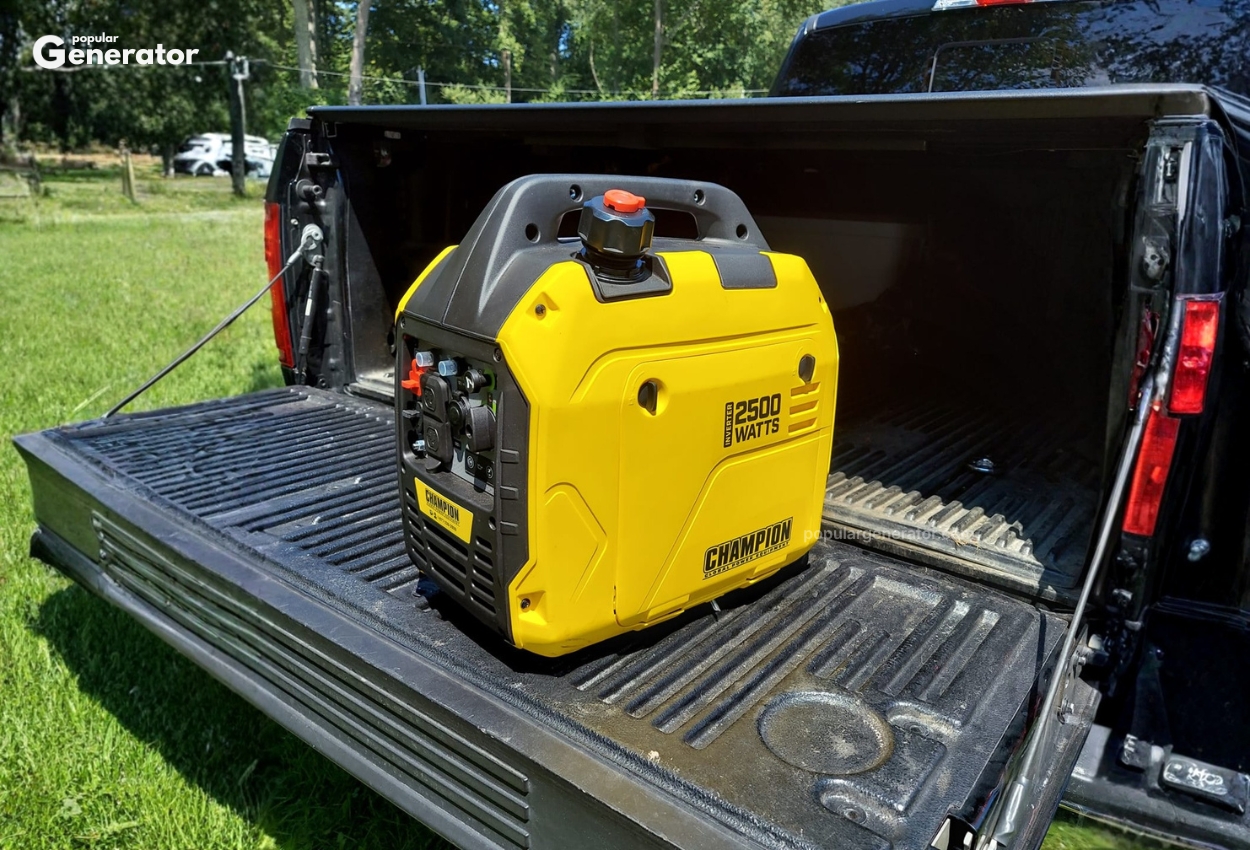
A portable inverter generator is a compact generator designed to produce clean and stable electricity while staying quieter and more fuel-efficient than traditional generators.
Instead of sending power directly from the engine, it uses an inverter system that converts electricity from AC to DC and back to AC again. This process creates smoother power that is safe for sensitive electronics like laptops, phones, and TVs.
Another advantage is how the engine works.
Inverter generators automatically adjust engine speed depending on how much power is needed. When the load is low, the engine slows down, which reduces noise and saves fuel.
In-Depth Reviews of the Best Portable Inverter Generators
Below are some of the best portable generators and power stations worth considering, each offering a different balance of portability, inverter performance, and practical power for real-world use.
Best Overall Portable Inverter Generators
After using the Westinghouse iGen4000DFc for a while, what stands out most is how well it balances power and portability. It delivers up to 4,000 peak watts, yet the suitcase-style design keeps it compact enough to move around easily.
The built-in wheels and telescoping handle help a lot when rolling it across a driveway or campsite. The inverter system is where it really shows its value. Power output stays stable and clean, which means running laptops, TVs, routers, or other sensitive electronics feels completely safe. In real use it also runs quieter than many traditional generators.
The dual fuel option adds another layer of flexibility since you can run gasoline for convenience or propane when you want a fuel that stores longer.
Best Dual Fuel Portable Inverter Generators
Champion’s 4000 watt dual fuel inverter generator feels very practical once you start using it for backup power. It is not the lightest generator in this group, but the wheel kit and folding handle make transportation manageable. The ability to run on either gasoline or propane is one of its biggest strengths.
For everyday use gasoline works well, while propane becomes extremely useful if the generator sits in storage waiting for an emergency. The inverter system produces clean electricity, which is important when powering electronics like laptops or charging stations. During testing it handled common appliances and devices smoothly without any noticeable voltage fluctuations.
Best for Camping and RV Portable Inverter Generators
The Honda EU2200i is one of those generators that immediately feels refined. It weighs under 50 pounds and the compact shape makes it very easy to carry with one hand. For camping or RV travel that portability makes a big difference because you can move it around the campsite without effort.
What really impressed me during use is how quiet it runs compared to most portable generators. The inverter technology also delivers extremely clean power, which is ideal for charging phones, running a laptop, or powering small cooking appliances. It is not meant to run large household equipment, but for portable power in outdoor settings it performs consistently well.
Best Lightweight & Small Portable Inverter Generators
The Aceup 1,200 watt generator is clearly designed for simplicity and portability. It is small enough to move easily and light enough that carrying it around does not feel like a chore. This makes it useful for occasional outdoor projects, tailgating, or basic emergency use.
Because of the smaller engine it works best with light electrical loads such as lights, phone chargers, or small tools. The compact size also means storage is easy since it does not take up much space in a garage or shed.
Best for Home Backup Portable Inverter Generators
The Briggs and Stratton Q6500 is noticeably more powerful than most compact inverter generators, but the design still keeps portability in mind.
The enclosed body helps reduce noise, and the integrated wheels and handle make it easier to move around than many open frame generators with similar output. In real use the inverter technology provides steady electricity that works well with both appliances and electronics.
It has enough output to keep essential household equipment running during an outage while still being manageable to reposition when needed.
Most Powerful Portable Inverter Generators
The DuroMax XP16000iHT is built for users who need serious power but still want a portable unit instead of a permanent standby system. It is much larger and heavier than the other generators here, but the heavy duty wheels and sturdy handles make moving it around possible. What makes this model interesting is that it combines very high output with inverter technology.
That means it can run larger appliances while still producing clean electricity for sensitive devices. In practical terms it feels like a portable generator that can handle demanding loads without sacrificing the stable power electronics require.
What Can a Portable Inverter Generator Run?
A portable inverter generator can power many everyday appliances and electronics, especially the essentials you need during a power outage or while camping. Because inverter generators produce clean and stable electricity, they’re safe for sensitive devices like laptops, smartphones, and TVs.
What a generator can run mainly depends on its wattage. Most portable inverter generators range from 2,000 to about 4,000 watts, which is enough to handle several household items at the same time.
A mid-size inverter generator around 3,000 watts can usually run things like:
- A refrigerator or freezer
- TV and lights
- A coffee maker
- A microwave
- Laptop and phone chargers
- Fans or small appliances
In camping or RV situations, these generators can also power equipment like portable heaters, coffee makers, and microwaves. Larger inverter models can even handle a small RV air conditioner, although this usually requires a generator with higher starting watt capacity.
Because they are quiet and fuel-efficient, portable inverter generators are commonly used for home backup, RV trips, camping, and outdoor events where reliable power is needed without a lot of noise.
How to Choose the Best Portable Inverter Generator
Choosing the right portable inverter generator starts with understanding how much power you actually need. The most important step is to calculate the total wattage of the devices you plan to run. Add up the running watts for everything you want to power, then make sure the generator’s starting (surge) watt capacity is high enough to handle appliances that need extra power when they start, such as refrigerators or air conditioners.
1. Power Output
Always check both running watts and starting watts. Running watts show the continuous power the generator can provide, while starting watts cover the short surge needed to start motor-driven appliances. A good rule is to total the running wattage of your devices and choose a generator that can comfortably handle that load.
2. Noise Level
Noise matters more than many people realize, especially for camping or residential areas. Most inverter generators run between 50 and 60 decibels, which is about the level of a normal conversation. Models with fully enclosed designs tend to operate quieter than open-frame generators.
3. Runtime and Fuel Efficiency
Runtime tells you how long the generator can run on a full tank. Inverter generators are generally more fuel-efficient than conventional generators because they automatically adjust engine speed based on the electrical load. This means less fuel consumption and longer operation during outages or outdoor use.
4. Weight and Portability
Since these generators are meant to be portable, weight and design matter. Smaller units may be easy to carry, while larger models often include built-in wheels and handles for easier transport. If you plan to move the generator often, portability becomes an important factor.
5. Parallel Capability
Many inverter generators support parallel operation, which allows two compatible generators to be connected together. This setup can effectively double the available power without needing to purchase a single large generator.
6. Fuel Type
Most inverter generators run on gasoline, which is convenient and widely available. Some models offer dual fuel capability, allowing them to run on propane as well. This can be useful for longer storage and emergency preparedness.
7. Safety Features
It’s also important to look for safety features such as automatic low-oil shutdown and carbon monoxide (CO) detection systems. These features help protect both the generator and the people using it.
FAQs
Q: Are inverter generators better than conventional generators?
Inverter generators are generally better for sensitive electronics, recreational use (camping/RV), and fuel efficiency due to their quiet operation, clean power output, and variable engine speed. However, conventional generators are superior for high-power, heavy-duty, or budget-conscious needs.
Q: How portable are inverter generators in real use?
Inverter generators are highly portable in real-world use, designed as compact, lightweight units easily transported for camping, tailgating, or emergency power. Weighing 30-40 lbs for 1,000-watt models, they often feature suitcase-style handles, while larger models include wheels. They are significantly smaller and quieter than traditional generators.
Q: Can inverter generators safely power electronics?
Yes, inverter generators are designed to safely power sensitive electronics, making them ideal for laptops, phones, TVs, and medical devices. Unlike traditional generators, they produce clean power with low total harmonic distortion (THD), typically ensuring a pure sine wave that matches or exceeds the stability of household grid power.


Write Your Review
No reviews yet. Be the first to share your experience!