





Quick Picks: Best Natural Gas Generators
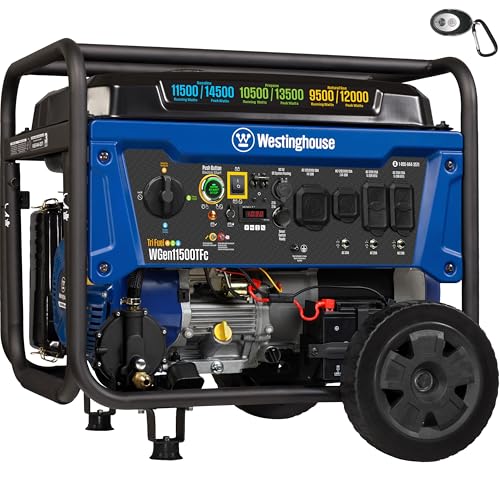
- Best 14,500W Tri-Fuel: Westinghouse WPro14500TFc, tri-fuel at 14,500W with natural gas capability for large-home unlimited outage runtime
- Best 13,500W Tri-Fuel: Westinghouse 13500W Tri-Fuel, natural gas plus gasoline and propane at 13,500W for whole-home coverage
- Best Tri-Fuel Inverter: Westinghouse 8200W Tri-Fuel Inverter Generator, clean inverter power on natural gas, propane, or gasoline
- Best Westinghouse 12,500W Tri-Fuel: Westinghouse 12500W Tri-Fuel, remote electric start, tri-fuel at a practical mid-range output
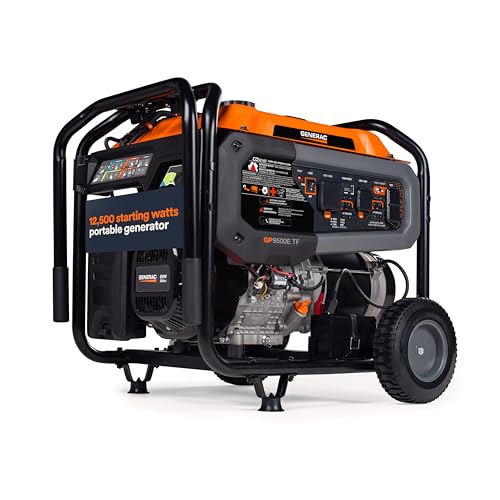
- Best Generac Tri-Fuel: Generac 12,500W Tri-Fuel Generator, Generac brand with natural gas capability for extended home backup
- Best 18,000W Tri-Fuel: Westinghouse 18,000W Tri-Fuel Generator, maximum output with natural gas connectivity for the most demanding scenarios
- Best Westinghouse 28,000W Option: Westinghouse 28000W Tri-Fuel Generator, the highest-output tri-fuel model in the Westinghouse lineup
- Best 12,500W Dual Fuel Value: Westinghouse 12500W Dual Fuel Generator, gasoline and propane at 12,500W without natural gas (best value in this wattage)
- Best Champion Tri-Fuel: Champion 12,500W Tri-Fuel Generator, Champion brand with CO Shield and natural gas connectivity
What Makes a Generator a “Natural Gas Generator”
A natural gas generator is any generator equipped to run on natural gas as a fuel source. In the portable and semi-portable generator category, this means a tri-fuel generator: a unit capable of operating on gasoline, propane, and natural gas. The natural gas connection is typically made via a regulator fitting on the generator that connects to a standard 1/2-inch or 3/4-inch natural gas supply line. This supply line must be professionally installed at the generator’s operating location, extending from the home’s natural gas service. Once connected, the generator draws fuel continuously from the utility supply, eliminating the need to store or transport any liquid or compressed fuel.
The primary advantage of natural gas operation is unlimited runtime. Unlike gasoline (which requires resupply logistics and storage constraints) or propane (which requires stockpiling large tanks), natural gas flows continuously from the utility supply for as long as the service is active. During most extended power outages caused by weather events, the natural gas supply remains operational even when the electrical grid is down, because natural gas distribution relies on a separate pressure-driven infrastructure. This makes natural gas the most practical fuel for generators used in multi-day or week-long outage scenarios.
Natural gas generators typically produce slightly less peak output on natural gas than on gasoline due to natural gas’s lower energy density per unit volume compared to liquid fuels. A generator rated at 12,500W on gasoline may produce 11,000 to 12,000W on natural gas. Manufacturers’ specifications for tri-fuel generators typically list the gasoline output figure as the primary rating. When sizing a natural gas generator for your home, verify the natural gas output specification (not just the gasoline rating) to ensure the generator meets your load requirements when operating on natural gas from the utility supply.
For buyers comparing natural gas with other standby solutions, the best home standby generators covers permanently installed automatic standby systems that also typically run on natural gas or propane. For portable generators that do not need natural gas capability but cover similar output ranges, the best 12,000-watt generators covers the mid-output tier with dual-fuel options.
In-Depth Reviews: Best Natural Gas Generators
Westinghouse WPro14500TFc 14,500W Tri-Fuel Generator
The Westinghouse WPro14500TFc is a heavy-duty commercial-rated 14,500W tri-fuel generator designed for sustained professional operation on natural gas, propane, or gasoline. The WPro designation indicates a build quality above consumer residential generators, with components rated for higher duty cycles and continuous commercial operation. At 14,500W on gasoline and approximately 13,000W on natural gas, it covers virtually every residential backup load simultaneously. Westinghouse Lifetime Technical Support provides ongoing service access. For buyers who want the Westinghouse commercial-grade build at the 14,500W tri-fuel tier, the WPro14500TFc is the primary recommendation.
Westinghouse 13500W Tri-Fuel Home Backup Generator
The Westinghouse 13500W Tri-Fuel provides 13,500W peak output on gasoline, with natural gas and propane as secondary fuel sources. Remote electric start and a TT-30R RV outlet add convenience and versatility. At 13,500W, it covers large-home backup including central AC and concurrent kitchen appliances. The natural gas connection enables the generator to run indefinitely from the utility supply during extended outages. For buyers who want Westinghouse reliability at the 13,500W tri-fuel tier, this model is the step below the WPro14500TFc at a more accessible price.
Westinghouse 8200W Tri-Fuel Portable Inverter Generator
The Westinghouse 8200W Tri-Fuel Inverter is the only inverter generator in this guide, providing clean sine wave power on natural gas, propane, or gasoline at 8,200W. Inverter technology at this output level is uncommon in tri-fuel generators; the combination of clean power quality and natural gas capability makes this model uniquely appropriate for backup of sensitive electronics, server rooms, or medical equipment that require both utility-quality power and extended natural gas runtime. For buyers who need tri-fuel capability with inverter power quality in the 8,000W class, the Westinghouse 8200W Tri-Fuel Inverter is the only option of its kind in this guide.
Westinghouse 12500W Tri-Fuel Portable Generator
The Westinghouse 12500W Tri-Fuel is the most popular mid-range natural gas capable generator in the Westinghouse lineup, combining 12,500W output with remote electric start, a TT-30R outlet, and tri-fuel operation at a price point below the larger WPro14500TFc. For most large residential homes with 4-ton or smaller central AC, the 12,500W output covers the full backup load while the natural gas connection provides unlimited outage runtime. This model is frequently recommended by HVAC and electrical contractors for residential whole-home backup installations that combine natural gas connectivity with Westinghouse brand quality.
Generac GP12500E 12,500W Tri-Fuel Portable Generator
The Generac 12,500W Tri-Fuel brings Generac’s brand recognition to the tri-fuel natural gas generator category at 12,500W output. Generac is the most widely recognized standby and backup generator brand in the US, and their portable tri-fuel generator brings that brand confidence to buyers who prefer Generac’s established service network. At 12,500W with natural gas capability, it covers large-home backup scenarios at a competitive price relative to Westinghouse tri-fuel models. For buyers who specifically prefer Generac brand support and dealer availability, the Generac 12,500W Tri-Fuel is the primary Generac recommendation in this guide.
Westinghouse 18,000W Tri-Fuel Generator
The Westinghouse 18,000W Tri-Fuel provides 18,000W of gasoline output and proportionally high natural gas output for the most demanding whole-home backup scenarios. At 18,000W, it covers large homes with multiple AC zones, commercial kitchens, workshops, and all concurrent residential loads simultaneously. Natural gas capability combined with 18,000W output makes this the most capable portable natural gas generator in this guide for buyers who need maximum output with utility gas connectivity. For homes that exceed the 12,500 to 14,500W capacity of the other models in this guide, the Westinghouse 18,000W Tri-Fuel is the step-up recommendation.
Westinghouse 28,000W Tri-Fuel Generator
The Westinghouse 28,000W Tri-Fuel represents the highest-output portable generator configuration in the Westinghouse lineup, rated at 28,000W peak output with tri-fuel capability including natural gas. This output class is appropriate for large commercial buildings, agricultural operations, light industrial facilities, and very large residential estates with multiple HVAC systems. The natural gas connection provides unlimited runtime at this high output level. For buyers with commercial or industrial load requirements that exceed residential generator capacity, the Westinghouse 28,000W Tri-Fuel is the reference for maximum portable generator output with utility gas capability.
Westinghouse 12500W Dual Fuel Generator
The Westinghouse 12500W Dual Fuel is included in this guide as the highest-value 12,500W option for buyers who do not need natural gas capability. At the same 12,500W output as the tri-fuel model, it provides gasoline and propane operation at a lower cost than the tri-fuel version. For buyers who have analyzed their outage scenario and determined that multi-day natural gas operation is not required (the outages in their region are shorter or their gas supply is on the same outage as the electrical grid), the dual-fuel 12,500W model is the practical cost-effective alternative to the tri-fuel version.
Champion 12,500W Tri-Fuel Portable Generator
The Champion 12,500W Tri-Fuel brings Champion’s brand and dealer network to the natural gas capable generator category at 12,500W output. CO Shield automatic carbon monoxide detection and shutdown is a safety feature that activates if CO levels in the operating area exceed safe thresholds, which is relevant for generators operated near occupied structures. Champion’s nationwide dealer presence provides accessible in-person service for a high-investment piece of equipment. For buyers who prefer Champion’s service infrastructure and want CO shutdown safety in their natural gas generator, the Champion 12,500W Tri-Fuel is the Champion-brand recommendation.
Natural Gas Generator Buying Guide
What installation is required for natural gas generator operation?
Operating a generator on natural gas requires: a natural gas supply line extended to the generator location (typically from the home’s main service entry or a branch from an outdoor supply line), a manual shut-off valve on the supply line, and a flexible connector hose between the supply line and the generator’s gas fitting. This installation requires a licensed plumber or gas fitter and must pass local inspection in most jurisdictions. The installation cost varies by location and distance from the existing supply line, but typically represents a one-time investment that enables all future outages to draw from unlimited gas supply. The generator itself usually costs less than the professional installation for distant generator locations.
FAQs: Natural Gas Generators
Q: Does the natural gas supply stay on during a power outage?
In most cases, yes. Natural gas distribution operates on a pressure-driven pipeline system that does not depend on electricity to flow to homes. During most weather-related power outages, the natural gas supply remains active while the electrical grid is down. Exceptions include earthquake events (where gas utilities may intentionally shut off supply for safety), complete infrastructure damage to the supply line, or situations where the utility performs deliberate shutoffs. For typical storm, ice storm, or grid-failure scenarios, natural gas supply continuity is one of the strongest reasons to choose tri-fuel generators for home backup.
Q: How much does it cost to connect a generator to natural gas?
Installation cost depends on the distance from the existing natural gas supply to the generator location, local labor rates, and local permit requirements. Typical range for a straightforward installation connecting a generator within 20 feet of an existing outdoor gas line is modest for the gas line work itself. Longer runs requiring trenching, additional piping, and multiple permits can increase cost significantly. The cost should be compared against the long-term fuel savings from natural gas (which is typically less expensive per BTU than gasoline or propane) and the convenience of unlimited runtime without fuel logistics. For most homeowners planning to use the generator more than a few times per year, the installation investment provides clear long-term value.
Final Verdict
For buyers who want the highest practical output in the Westinghouse tri-fuel lineup for large-home backup with natural gas capability, the Westinghouse 13500W Tri-Fuel provides a balance of output, natural gas capability, and Westinghouse build quality at a mid-tier price point below the WPro14500TFc.
For buyers who prefer Generac brand support and want natural gas capability at the 12,500W tier from the most recognized backup generator brand in the US, the Generac 12,500W Tri-Fuel provides Generac’s established dealer network with tri-fuel operation including natural gas.
And for buyers who specifically need clean inverter-quality power on natural gas for sensitive electronics, the Westinghouse 8200W Tri-Fuel Inverter is the only tri-fuel inverter generator in this guide, combining utility-quality sine wave power output with natural gas connectivity for unlimited clean-power runtime.




Write Your Review
No reviews yet. Be the first to share your experience!