





Quick Picks: Best Generators for Hurricane Season
- Best Compact Solar Bundle: 300W Solar Generator with 60W Foldable Panel, solar-rechargeable battery station for charging phones and running lights during outages
- Best Ultra-Portable Battery Station: MARBERO 88Wh Portable Power Station, lightweight battery backup for phones, small fans, and LED lighting
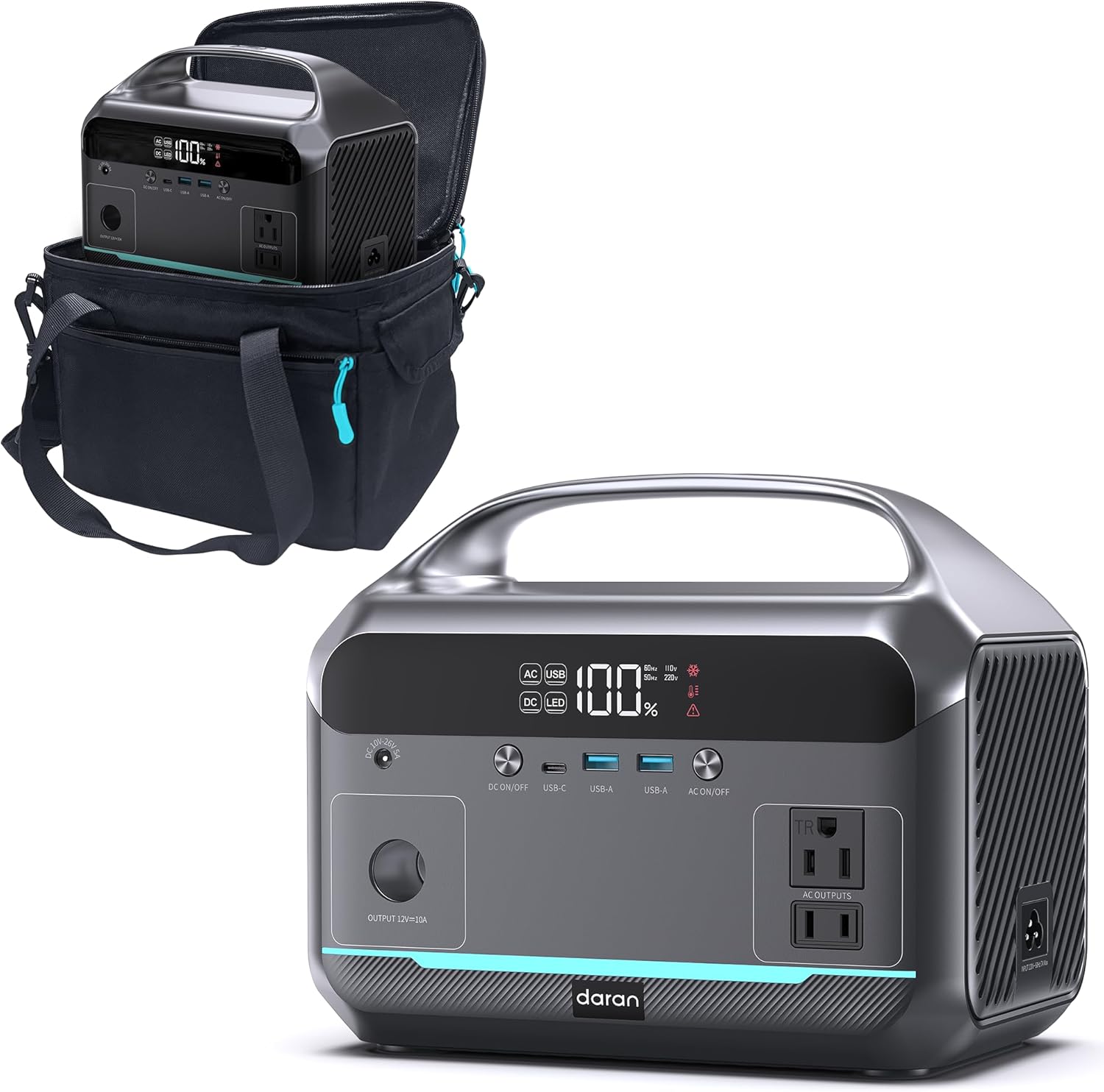
- Best LiFePO4 Compact Station: DaranEner 192Wh LiFePO4 Power Station, durable battery chemistry for long-term hurricane preparedness storage
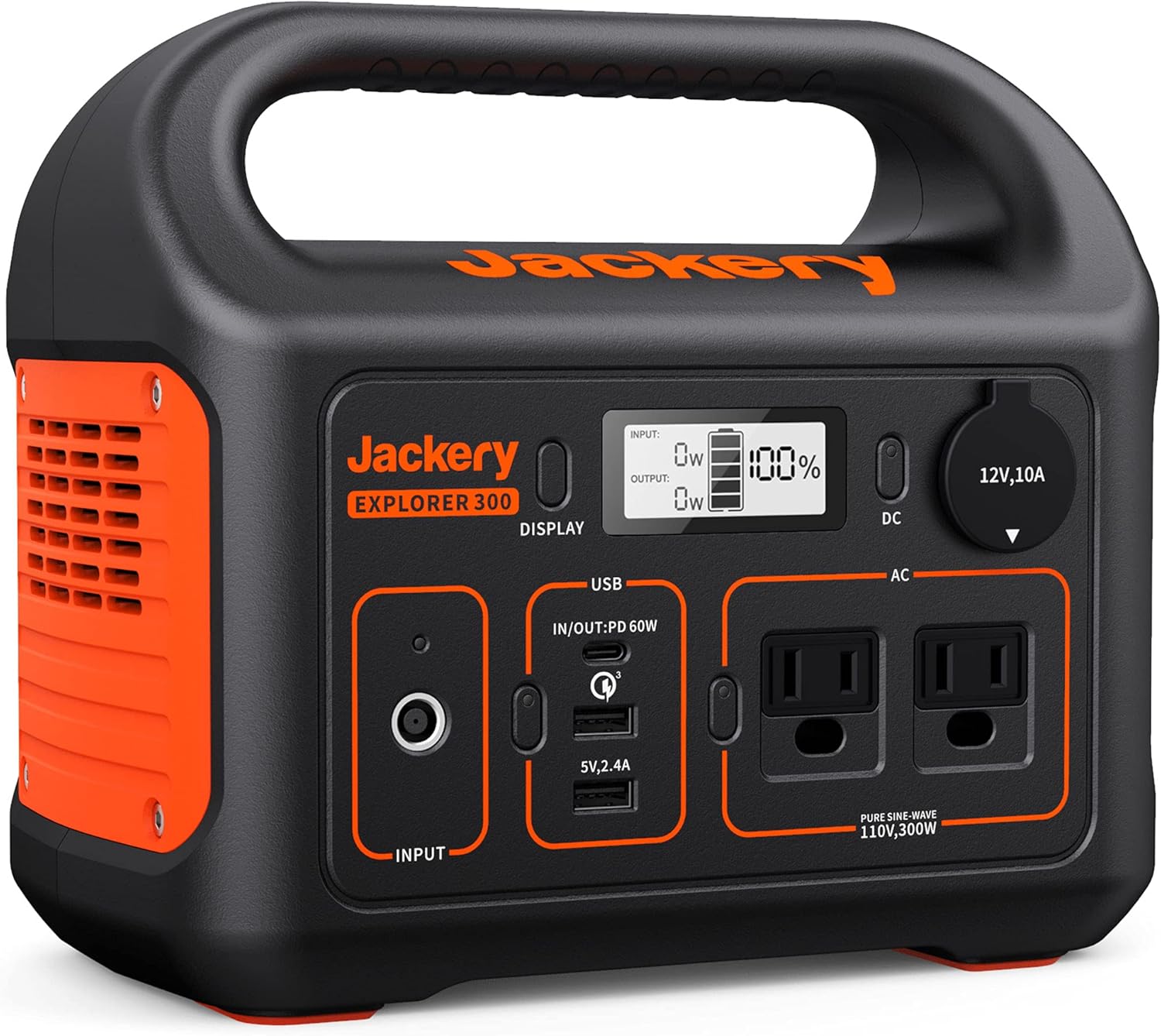
- Best Compact Solar Generator: Jackery Explorer 300, 293Wh trusted compact solar generator for CPAP, phones, and essential hurricane backup
- Best 288Wh Budget Option: DARAN 288Wh Power Station, 600W peak output in a compact 288Wh battery station for multi-device hurricane backup
- Best 4400W Gas Inverter: OXSERYN 4400W Open Frame Inverter Generator, gas inverter for running refrigerator, AC, and essential appliances during hurricane outages
- Best Whole-Home Hurricane Generator: Westinghouse 12500W Dual Fuel Generator, 12,500W dual-fuel for complete whole-home backup during extended hurricane outages
- Best 288Wh LiFePO4 Battery: Portable 288Wh LiFePO4 Power Station, compact 350W battery station for phones, flashlights, and essential small devices
- Best Quiet 2500W Gas Generator: 2500W Inverter Generator with CO Sensor, quiet 2,500W inverter for refrigerator and medical device backup with CO safety shutdown
Choosing the Right Generator for Hurricane Preparedness
Hurricane preparedness requires a different approach to generator selection than typical home backup planning. Three characteristics matter above all others: reliability under infrequent-use conditions (a generator that last ran a year ago must start when a hurricane hits), fuel availability (during and after a hurricane, gasoline supply chains are disrupted and fuel may be unavailable for days after a storm), and runtime at realistic load levels (extended outages of three to seven days or longer are common in direct-hit hurricane zones). Combining a small battery station (for phones, flashlights, and medical devices) with a larger gas generator (for refrigerator, AC, and major appliances) is the most resilient approach to hurricane power preparedness.
Battery power stations (MARBERO, DaranEner, Jackery, DARAN) provide indoor-safe operation during the storm itself, when running a generator outside in hurricane-force winds is dangerous and impractical. These compact units power phones, radios, LED lighting, and CPAP machines throughout the storm. After the storm passes and outdoor generator operation is safe, a gas generator handles the larger loads: refrigerator, freezer, window AC, and sump pump. Having both types of backup power covers the full outage lifecycle: before and during the storm (battery), and after the storm for extended outages (gas generator).
Fuel storage is the most commonly overlooked aspect of hurricane generator preparedness. A 4,400W inverter generator running at moderate load consumes approximately 0.8 gallons per hour. A five-day hurricane outage requires approximately 96 gallons of gasoline for continuous operation. In practice, generators are not run continuously, but a realistic estimate for an 8-hours-per-day operation over five days is 32 gallons minimum. Storing more than a few days of fuel supply at home is limited by local fire codes (typically 25 gallons maximum for residential storage). For extended hurricane preparedness, a dual-fuel generator adds propane as a supplemental fuel source that stores indefinitely without degradation, extending effective fuel availability significantly beyond what gasoline storage limits allow.
For detailed coverage of generators specifically sized for whole-home backup, the best generators for home use covers sizing from 5,000W to 15,000W for various home sizes. For solar generator options that cover hurricane backup scenarios without fuel logistics concerns, the best solar generators covers the full portable solar generator category.
In-Depth Reviews: Best Generators for Hurricane Season
300W Portable Solar Generator with 60W Foldable Solar Panel
The 300W Solar Generator Bundle with a 60W foldable panel is the solar-powered hurricane backup option in this guide. After the hurricane passes and sunlight returns, the 60W panel recharges the battery station during daylight hours without requiring any fuel supply. At 300W output, it covers phones, LED lighting, a small fan, and device charging simultaneously. The foldable panel is portable enough to deploy on a porch or in a yard during the post-storm solar window. For hurricane preparedness where fuel acquisition after the storm may be difficult, a solar-rechargeable battery station provides a self-sustaining backup solution for essential small loads.
MARBERO 88Wh Portable Power Station
The MARBERO 88Wh Portable Power Station is the most compact and lightweight battery option in this guide, appropriate for emergency kits and evacuation scenarios where every pound and cubic inch of cargo space matters. At 88Wh, it provides 6 to 8 phone charges or approximately 4 hours of LED lighting and phone charging simultaneously. For hurricane preparedness that includes evacuation planning, the MARBERO 88Wh is the appropriate portable battery backup option to include in a go-bag or evacuation kit alongside a car charger cable for road recharging.
DaranEner 192Wh LiFePO4 Portable Power Station
The DaranEner 192Wh LiFePO4 Station provides 192Wh of LiFePO4 battery storage with 300W output at a compact size that stores comfortably in a closet or cabinet for years without maintenance. LiFePO4 battery chemistry retains charge effectively over multi-year storage without degradation, which is critical for hurricane preparedness equipment that may sit unused for several years between storms. The 192Wh capacity covers CPAP machine operation for one to two nights without the humidifier, which is a common hurricane priority for CPAP-dependent users. For long-term hurricane preparedness storage, LiFePO4 battery chemistry is the most reliable option for equipment that must remain ready without regular maintenance.
Jackery Explorer 300 Portable Power Station
The Jackery Explorer 300 at 293Wh is one of the most trusted compact solar generators on the market, with a large installed base of hurricane preparedness users who have documented real-world CPAP, phone, and lighting performance. Jackery’s documentation of CPAP compatibility is more comprehensive than most brands in this capacity tier. At 293Wh with a compatible solar panel (sold separately), it provides sustainable post-hurricane recharge capability once sunlight returns. For buyers who want the most validated compact solar generator for hurricane CPAP and lighting backup, the Jackery Explorer 300 is the reference choice.
DARAN 288Wh LiFePO4 Portable Power Station
The DARAN 288Wh Power Station provides 288Wh of LiFePO4 storage with 600W peak output, covering a broader range of hurricane loads than the MARBERO or DaranEner units. At 600W peak, it handles a small CPAP with humidifier enabled (approximately 180W), a table fan (35W), LED lights (20W), and phone charging simultaneously. The 288Wh capacity provides approximately 10 to 12 hours of combined operation at that load mix. For buyers who want the expanded runtime of a 288Wh station at an accessible price point with LiFePO4 durability, the DARAN is the value compact battery station recommendation.
OXSERYN EDOG 10 4400W Open Frame Inverter Generator
When the hurricane passes and outdoor generator operation is safe, the OXSERYN 4400W Open Frame Inverter provides the gasoline generator capacity needed to run the refrigerator, a window AC unit, and essential appliances. At 4,400W with inverter clean power quality, it safely powers all home electronics and modern appliance controls without damage. The 4.7-star owner rating validates reliability for extended operation during multi-day outages. For the gas generator tier of a two-tier hurricane backup system (battery station for the storm, gas generator for the extended outage), the OXSERYN 4400W is the best-value high-output inverter option in this guide.
Westinghouse 12500W Dual Fuel Portable Generator
For homeowners who want complete whole-home backup during a hurricane outage, the Westinghouse 12500W Dual Fuel generator provides 12,500W of dual-fuel output that covers every major home load simultaneously: central AC, refrigerator, freezer, sump pump, well pump, and all lighting. Dual-fuel operation on gasoline and propane provides flexibility when one fuel becomes unavailable post-storm. Remote electric start allows starting from inside after the storm passes without going outside during dangerous conditions. For homeowners who prioritize complete whole-home hurricane backup coverage over all other factors, the Westinghouse 12500W is the comprehensive solution.
Portable 288Wh LiFePO4 Battery Power Station
The 288Wh LiFePO4 Power Station with 350W continuous output (600W peak) is a value-oriented compact battery station offering LiFePO4 durability at a lower price than the DARAN model. The 350W continuous output handles CPAP, fan, and phone charging simultaneously during the storm. Solar recharge via a compatible panel restores capacity after the storm for extended off-grid operation. For buyers who want LiFePO4 battery chemistry hurricane preparedness at the most accessible price in the compact tier, this unit provides the core hurricane essentials at a budget price point.
2500W Super Quiet Inverter Generator with CO Sensor
The 2500W Super Quiet Inverter Generator with CO Sensor provides a compact, quiet gas generator option with an important safety feature: a carbon monoxide sensor that automatically shuts down the generator if CO levels in the operating area approach dangerous concentrations. This CO safety shutdown is particularly relevant for hurricane use, where generator operators may be fatigued, distracted, or operating in unfamiliar outdoor configurations. At 2,500W, it covers a full-size refrigerator, a window fan, and device charging simultaneously, which is the core hurricane essential load. RV-ready output makes it compatible with 30-amp connections. For buyers who want a quiet compact gas generator with active CO safety protection for hurricane backup, this model is the appropriate safety-first recommendation.
Hurricane Generator Buying Guide
Two-tier approach: battery stations plus gas generator
The most resilient hurricane power plan uses two tiers: a compact battery power station for indoor use during the storm, and a gas generator for outdoor use after the storm for extended outage coverage. During a hurricane, wind speeds and conditions make outdoor generator operation dangerous. Indoor battery stations (MARBERO, DaranEner, Jackery, DARAN) provide safe indoor power for phones, CPAP, LED lighting, and communication devices during the storm period. Once the storm passes and conditions are safe for outdoor operation, the gas generator (OXSERYN, 2500W inverter, or Westinghouse 12500W) handles the larger loads: refrigerator, AC, and sump pump. This two-tier approach eliminates the gap between storm and generator deployment and keeps critical small devices powered throughout the event.
FAQs: Generators for Hurricanes
Q: When should I start my generator during a hurricane?
Do not start a gas generator during a hurricane. Run a gas generator only when outdoor conditions are safe, which means after wind speeds have dropped below 35 mph and rain is not heavy enough to enter the generator’s engine components. During the storm itself, rely on battery power stations for phones, CPAP, lighting, and communication. When the storm passes, inspect the generator location for flooding, debris, and other hazards before starting. Position the generator at least 20 feet from any door, window, or vent, with exhaust directed away from the house, and verify CO detector batteries are functional before starting. Never operate a generator indoors, in a garage, or under an awning.
Q: How many days of fuel do I need for hurricane preparedness?
Hurricane outages in hard-hit areas can last 5 to 14 days or longer. Plan for a minimum of 7 days of fuel if you are in a zone with potential for direct hits. For a 4,400W generator running 8 hours per day at moderate load (2,000W average), fuel consumption is approximately 1.6 gallons per day, requiring approximately 11 gallons for a week. At full load, consumption doubles to approximately 3 gallons per day and 21 gallons per week. Store fuel in approved containers with stabilizer, rotate fuel annually, and store in a detached structure away from living areas. A dual-fuel generator with propane as the secondary source extends effective fuel availability, as propane stores indefinitely without stabilizer requirements.
Final Verdict
For the compact battery tier of a hurricane kit, the Jackery Explorer 300 is the most trusted compact battery station for CPAP and phone backup during the storm itself, with the most comprehensive real-world hurricane user documentation of any unit in this guide.
For the gas generator tier once the storm passes, the OXSERYN 4400W Open Frame Inverter provides the most output per dollar in the inverter generator class, covering refrigerator, window AC, and device charging simultaneously for extended post-hurricane outage operation.
And for homeowners who want complete whole-home coverage during extended hurricane outages with dual-fuel flexibility, the Westinghouse 12500W Dual Fuel generator with remote start is the comprehensive whole-home hurricane backup solution, running both gas and propane for maximum fuel flexibility when post-storm supply chains are disrupted.




Write Your Review
No reviews yet. Be the first to share your experience!