




Quick Picks: Best Portable Generator to Charge an EV
- Best Level 1 Emergency Charger: Honda EU2200i 2200W Inverter, pure sine wave, adds 8 to 15 miles of range per hour of charging
- Best Dual Fuel Level 1: WEN 2800W Dual Fuel Inverter Generator, gas or propane, 2,800W of clean inverter output
- Best Mid-Range for EV Charging: Westinghouse 4650W Dual Fuel Portable Generator, higher output for faster Level 1, dual fuel flexibility
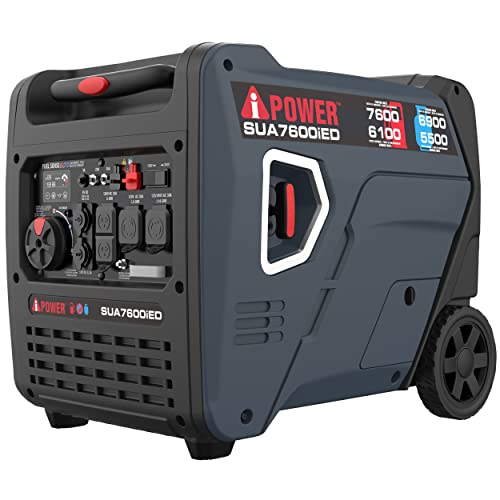
- Best Inverter Approach to Level 2: A-iPower 7600W Dual Fuel Quiet Inverter Generator, clean 240V-capable output, fastest safe inverter approach for EV
- Best Large Inverter: Westinghouse 11000W Dual Fuel Portable Inverter Generator, 9,500 running watts of pure sine wave, dual fuel, fastest clean-power generator EV charging
- Maximum Generator Charging Speed: DuroMax XP15000HXT 15,000-Watt Tri Fuel Generator, highest portable output for near-maximum Level 2 equivalent charging rates
Can a Portable Generator Actually Charge an Electric Vehicle?
Yes, with two important requirements. First, the generator must produce pure sine wave AC output, which is the standard for inverter generators. Modified sine wave output from conventional generators can confuse or even damage EVSE (EV charger) electronics over time, even if it works initially. Second, the generator must provide enough wattage to run the EVSE at its rated amperage. A Level 1 EVSE at 12 amps draws 1,440 watts continuously, which is within the range of a 2,000W inverter generator. A Level 2-equivalent setup at 240V and 30 amps draws 7,200 watts, which requires a 8,000W or larger generator with a 240V outlet.
The practical question for most EV owners is not whether it works, but how fast it charges. At Level 1 speed from a 2,200W inverter generator, most EVs gain 8 to 15 miles of range per hour of charging. That is enough to recover from a low-battery emergency or to charge overnight for the next day’s local driving. Level 2 equivalent speeds from large generators can add 20 to 30 miles per hour of charging, which approaches real-world useful rates for extended charging needs.
EV manufacturers (Tesla, Ford, GM, Rivian, Hyundai) universally recommend inverter generators with pure sine wave output for emergency or alternative EV charging. Conventional generators with modified sine wave output are not recommended and may void warranty protections for the EVSE. All six generators on this list are inverter-type or inverter-quality designs that produce clean AC output appropriate for EV charging.
For buyers focused specifically on the pure sine wave quality requirement that EV charging shares with other sensitive electronics, the best portable generators with low THD guide covers the clean-power angle in depth. For buyers looking at the 7,500W+ range specifically for higher-speed EV charging, the best 8,000 watt portable generators article covers that tier with additional options.
In-Depth Reviews: Best Portable Generator to Charge an EV
Honda EU2200i 2200W Portable Inverter Generator
Emergency EV charging starts here. The Honda EU2200i produces pure sine wave output at 2,200 watts, which is sufficient to run a standard Level 1 EVSE at full 12A output (1,440W) with 760 watts of headroom for any additional loads. Connect a J1772-to-120V adapter (comes with most EVs), plug in the EVSE, and the generator adds range at the standard Level 1 rate. For a driver who has run low on a trip and needs enough charge to reach the nearest station or get home, this is the cleanest, quietest, most reliable portable solution available. The Honda also serves every other generator use case when not being used for EV charging.
WEN 2800W Dual Fuel Inverter Generator
The 400-watt difference between the WEN 2800W and a standard 2,400W Level 1 maximum draw provides actual headroom rather than theoretical headroom. Running a Level 1 EVSE at 12A (1,440W) plus a phone charger and a small LED light on the same circuit remains within the WEN 2800W Dual Fuel operating envelope without load management. Dual fuel means propane is available as an alternative to gasoline, which matters if this generator is stored in a vehicle or home environment where long-term gasoline storage is inconvenient. Inverter output ensures the pure sine wave quality that Level 1 charging requires.
Westinghouse 4650W Dual Fuel Portable Generator
Four thousand six hundred and fifty watts opens up the option of running two EVSE circuits simultaneously, or running one EVSE alongside substantial other loads like a space heater, a window AC, or kitchen appliances. The Westinghouse 4650W Dual Fuel is also the first tier where the 240V outlet becomes practically useful for EV charging: a 240V EVSE at reduced amperage stays within the 4,650W output budget, providing a meaningful step up in charging speed from standard Level 1. For EV owners who want generator charging to be more than an emergency option but do not need the full investment of a 7,500W machine, this is the practical middle tier.
A-iPower 7600W Dual Fuel Quiet Inverter Generator
Seven thousand six hundred watts of inverter output changes the EV charging conversation from trickle to meaningful. The A-iPower 7600W Dual Fuel Inverter can support a 240V Level 2 EVSE at 24A (5,760W) with headroom, delivering 18 to 25 miles of range per hour for most EV models. That rate makes this generator a viable solution not just for emergencies but for occasional charging at remote properties, construction sites with EVs on-site, or off-grid locations where full Level 2 infrastructure does not exist. The inverter circuit ensures the clean power quality the EVSE requires, and dual fuel provides propane flexibility for extended remote use.
Westinghouse 11000W Dual Fuel Portable Inverter Generator
At 9,500 running watts of inverter-quality pure sine wave output, the Westinghouse 11000W Dual Fuel Inverter supports a full 40A Level 2 EVSE circuit (9,600W) at the absolute edge of its capacity, and handles a 32A circuit (7,680W) with comfortable headroom alongside other simultaneous loads. For EV owners at off-grid properties, rural remote locations, or disaster response scenarios where grid power is unavailable for days, this is the machine that bridges the gap between emergency trickle charging and genuinely useful daily charging rates. Dual fuel allows gasoline or propane operation for multi-day range recovery scenarios.
DuroMax XP15000HXT 15,000-Watt Tri Fuel Generator
Fifteen thousand watts is the ceiling of portable generator EV charging. The DuroMax XP15000HXT supports a 50A Level 2 EVSE circuit (11,500W) with power remaining for other loads, which is the highest charging rate achievable from a portable generator without three-phase commercial power. This is not a generator most EV owners need; it is the machine for fleet operators, emergency response teams charging multiple EVs, or large remote property owners who need both full-home power backup and EV charging capability from a single portable unit. Tri-fuel flexibility and dual 50-amp outlets complete the feature set for this extreme-capacity use case.
EV Charging from a Generator: What You Need to Know
Level 1 vs. Level 2 generator charging
Level 1 charging at 120V/12A (1,440W) adds 8 to 15 miles of range per hour depending on the EV model. This is the right mode for emergency range recovery and overnight charging from a small inverter generator. Level 2 equivalent charging requires a 240V EVSE and a generator with a 240V outlet capable of at least 4,800W (20A at 240V) for meaningful speed improvement. At 7,200W (30A at 240V), most EVs charge at 18 to 28 miles per hour. At 9,600W (40A at 240V), rates approach 30 to 40 miles per hour for most models.
Required equipment
For Level 1 charging: a standard J1772 EVSE (comes with most EVs), a 20-amp extension cord if needed, and any 2,000W+ inverter generator. For Level 2 equivalent: a 240V Level 2 EVSE with an L14-30 or 14-50 plug, a 30-amp or 50-amp outlet on the generator, and an 8,000W or larger generator. The EVSE plug type must match the generator outlet. Check the generator’s outlet panel and the EVSE plug spec before purchasing.
FAQs: Generator EV Charging
Q: Can I use a conventional (non-inverter) generator to charge my EV?
Conventional generators produce modified sine wave AC output, which is not recommended for Level 1 EVSE or onboard EV charger use. While some EVs may charge from modified sine wave power without immediate problems, EV manufacturers do not recommend it and the practice can degrade EVSE electronics over time. All generators on this list produce inverter-quality pure sine wave output, which is appropriate for EV chargers.
Q: How long does it take to charge an EV with a generator?
At Level 1 from a 2,200W generator: a 60kWh battery (roughly 200 miles range) takes approximately 40 to 50 hours for a full charge. In practice, generator EV charging is typically used for emergency range recovery (add 30 to 50 miles of range in 2 to 4 hours) rather than full charge sessions. At Level 2 equivalent from a 9,600W generator at 40A, a 60kWh battery charges in 8 to 10 hours, which makes overnight full charging from a generator realistic for off-grid applications.
Final Verdict
For emergency EV charging and maximum portability, the Honda EU2200i is the default starting point: pure sine wave output, 2,200W capacity, ultra-quiet operation, and the most reliable inverter generator available.
For off-grid properties or remote locations where EV charging at Level 2 equivalent speeds matters day to day, the Westinghouse 11000W Dual Fuel Inverter delivers the combination of inverter clean power and 9,500 running watts needed for genuine Level 2 charging rates from a portable unit.





Write Your Review
No reviews yet. Be the first to share your experience!