

Quick Picks: Best Solar Generators for CPAP Machines
- Best Compact Travel Option: MARBERO 172Wh Solar Generator with 40W Panel, ultralight travel CPAP backup for one to two nights
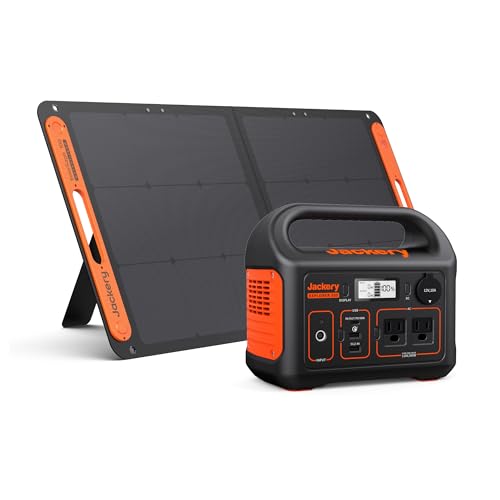
- Best Portable CPAP Bundle: Jackery Solar Generator 300, 293Wh with solar panel for camping and travel CPAP use
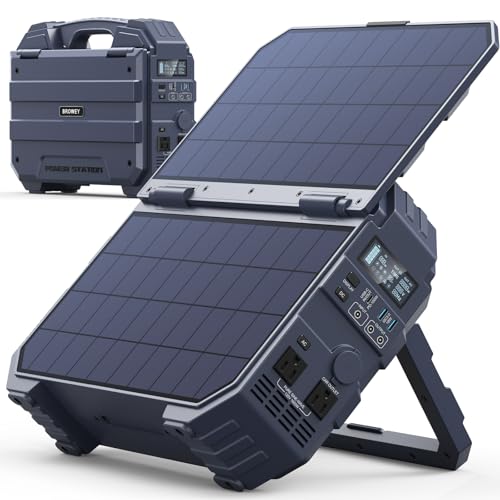
- Best Multi-Night Backup: BROWEY 1600W 1,024Wh Power Station, three to four nights of CPAP runtime without recharging
- Best Budget Compact: Portable Power Station 300W 296Wh, lightweight and affordable single-night CPAP backup
- Best Overall Value: GRECELL T-1000 999Wh Solar Generator, nearly 1,000Wh for extended CPAP backup with solar recharge capability
Why Solar Generators Work Well for CPAP Machines
CPAP and BiPAP machines are among the most power-sensitive medical devices used in the home. They require pure sine wave AC power, which is what every portable solar generator and power station on this list provides, and they draw a consistent moderate load that solar generators handle efficiently. The alternative, a conventional gas generator, produces modified sine wave power that can damage CPAP motors and electronics over time, is noisy enough to disrupt sleep, and requires outdoor operation that makes it impractical for bedroom backup use. Solar generators solve all three problems simultaneously.
Modern CPAP machines draw 40 to 80 watts under typical operation without the heated humidifier. Adding the heated humidifier increases consumption to 150 to 200 watts. Travel CPAP models like the ResMed AirMini draw as little as 5 to 30 watts, which extends battery runtime dramatically. These relatively low draw rates mean that even compact portable power stations with 200 to 300Wh of capacity can power a standard CPAP machine through a full night. Larger units in the 900 to 1,024Wh range can sustain CPAP use for two to four nights without recharging.
If you use a heated humidifier with your CPAP, consider disabling it when running on battery power. The humidifier typically triples power consumption, reducing a four-night runtime to approximately one and a half nights on the same battery capacity. Most CPAP devices allow humidifier operation to be disabled from the settings menu, and many users find that cooler, drier air is tolerable for short-term backup situations. Disabling the humidifier alone is often the simplest way to double the battery life of your existing power station without purchasing additional equipment.
For buyers who need a general portable solar generator for camping that also covers CPAP use, the best camping generators guide covers options optimized for outdoor recreation use. For buyers focused on value in the solar generator category, the best solar generators under 500 dollars guide covers capable units at an accessible price.
In-Depth Reviews: Best Solar Generators for CPAP Machines
MARBERO 172Wh Portable Solar Generator with 40W Solar Panel
The MARBERO 172Wh Solar Generator with a 40W solar panel is the most compact CPAP backup solution on this list. At 172Wh, it provides approximately two to four hours of CPAP runtime without the humidifier at a 60W draw, which covers most short overnight situations when the machine runs less than half the night or for travel CPAP devices that draw under 30W. The included 40W solar panel recharges the unit in approximately four to five hours of direct sunlight, which makes it self-sustaining for camping scenarios where overnight use is followed by a full day of recharging. For travelers who use a low-draw travel CPAP and need the lightest possible backup option, the MARBERO 172Wh is the appropriate compact entry point in the category.
Jackery Solar Generator 300 with Solar Panel
The Jackery Solar Generator 300 with its included solar panel provides 293Wh of capacity, which covers approximately five hours of standard CPAP use at 60W continuous draw or a full night at lower draw rates. The Jackery 300 is among the best-tested compact solar generators in the market with strong owner feedback on CPAP compatibility specifically. Jackery is one of the few solar generator brands to explicitly test and certify CPAP compatibility, and the brand’s products are commonly recommended by CPAP user communities. For the standard CPAP user who needs a single-night camping backup with a solar recharge option, the Jackery 300 with its panel is the reference compact recommendation in this category.
BROWEY 1600W Portable Power Station 1,024Wh LiFePO4
For CPAP users who need multi-night backup capability at home during extended outages or for extended camping trips, the BROWEY 1600W 1,024Wh station provides approximately 17 hours of CPAP runtime at 60W without the humidifier, covering two to three full nights of use. At 1,024Wh, it also comfortably runs the CPAP with the humidifier enabled (at 180W) for five to six hours per charge, covering one full night with margin. The 1,600W rated output and 3,200W surge handle any CPAP or BiPAP model without concern about output compatibility. LiFePO4 battery chemistry rated for high cycle counts ensures the unit remains reliable over years of regular use. For CPAP users in hurricane or severe storm zones where multi-day outages are common, the BROWEY 1024Wh is the practical multi-night backup recommendation.
Portable Power Station 300W 296Wh
The Portable Power Station 300W 296Wh provides a balance of compact size and sufficient capacity for single-night CPAP backup. At 296Wh and 300W output, it handles standard CPAP machines at full output and provides approximately five hours of runtime at 60W continuous draw. The 100W USB-C input and output ports provide broad compatibility with modern CPAP machines that accept USB-C charging, and the unit’s lightweight design makes it practical for travel use alongside home backup. For budget-conscious CPAP users who need reliable single-night backup without the premium associated with name-brand solar generators, this unit provides functional capacity at an accessible price point.
GRECELL T-1000 999Wh Portable Solar Generator
The GRECELL T-1000 999Wh is the most capable CPAP backup station on this list for standard home emergency use. At 999Wh with 1,000W output, it provides approximately 16 to 17 hours of CPAP runtime at 60W, covering two to three nights without humidifier, or approximately five hours with the humidifier enabled. Solar recharge capability allows the unit to sustain CPAP use indefinitely during daytime outages with appropriate panels connected. The T-1000’s capacity also provides room for concurrent device charging, modem and router, and lighting alongside CPAP operation, which covers the complete essential load during a power outage. For CPAP users who want their backup power source to also serve as a general home emergency battery, the GRECELL T-1000 provides the highest all-around capability in this guide.
CPAP Solar Generator Buying Guide
How to calculate CPAP battery runtime
To estimate how long a solar generator will run your CPAP, find your machine’s wattage from the label on the back or the manual. Divide the power station’s capacity in watt-hours by the machine’s wattage. A 60W CPAP running from a 300Wh station provides 300 / 60 = 5 hours of runtime. Factor in about 15 percent efficiency loss for a more realistic estimate: (300 x 0.85) / 60 = 4.25 hours. With the humidifier enabled (adds 100 to 120W for a total of approximately 180W): 300 / 180 = 1.67 hours. This quick calculation tells you whether a given unit meets your overnight runtime requirement before purchasing.
Does CPAP need pure sine wave power?
Yes. CPAP and BiPAP machines require pure sine wave AC power to operate correctly. Modified sine wave power from conventional generators can cause CPAP motors to run hot, produce humming noises during operation, or shorten the life of the motor over time. All portable power stations and solar generators output pure sine wave AC power by design, making them inherently compatible with CPAP machines. If you are considering a conventional generator as a CPAP backup source, verify it specifically states “pure sine wave” in the specifications, not “modified sine wave” or “simulated sine wave.”
FAQs: Solar Generators for CPAP
Q: How long will a solar generator run a CPAP machine?
Runtime depends on your CPAP’s power draw and whether the humidifier is enabled. At 60W continuous without the humidifier: 172Wh = 2.4 hours, 293Wh = 4 hours, 999Wh = 14 hours. With a heated humidifier (approximately 180W total): 172Wh = under 1 hour, 293Wh = 1.4 hours, 999Wh = 4.7 hours. For multi-night backup without recharging, the BROWEY 1024Wh and GRECELL T-1000 999Wh are the appropriate tiers for standard CPAP use without the humidifier.
Q: Can I use a solar generator for CPAP while camping?
Yes, and this is one of the most common use cases for portable power stations with CPAP. For camping use specifically, the Jackery Solar Generator 300 and MARBERO 172Wh solar generator bundles are most practical because the included solar panels allow self-recharge during the day to cover the night’s use. For extended camping trips of more than two nights, the 999Wh to 1,024Wh tier with a solar panel provides the most sustainable energy balance for nightly CPAP use without relying on a grid power connection for recharging.
Final Verdict
For CPAP users who need the lightest portable option for travel and single-night camping backup, the Jackery Solar Generator 300 is the most trusted compact CPAP-compatible bundle in the market with strong user documentation of CPAP use compatibility.
For multi-night home backup during extended outages, the GRECELL T-1000 999Wh provides the highest runtime in this guide for standard CPAP use without the humidifier, covering two to three full nights from a single charge while also supporting concurrent essential home loads.
And for users who need to run the heated humidifier consistently and want multi-night runtime even with the humidifier enabled, the BROWEY 1600W 1,024Wh at LiFePO4 durability provides the best humidifier-enabled runtime and the highest surge capacity for any CPAP or BiPAP model on this list.





Write Your Review
No reviews yet. Be the first to share your experience!