



Quick Picks: Best 30 Amp Portable Generators
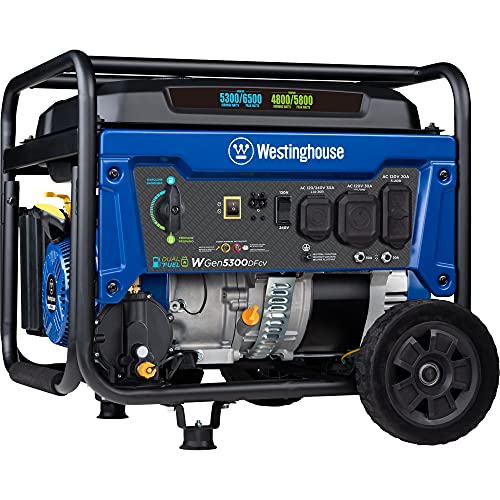
- Best Overall 30 Amp Generator: Top-rated generator with 30-amp L14-30 outlet for RV hookup and transfer switch connection
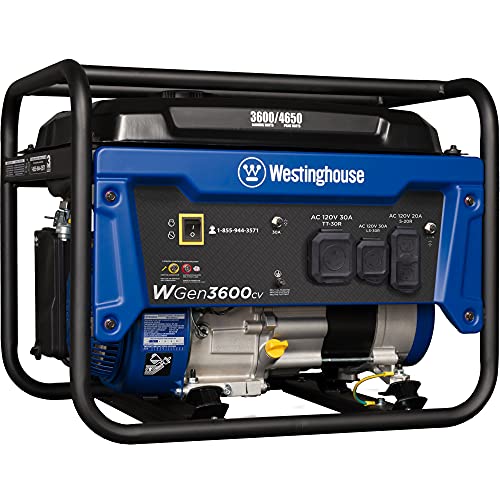
- Best 30 Amp Generator for RVs: 30A TT-30R RV receptacle with inverter-quality power for sensitive RV electronics and appliances
- Best 30 Amp Dual Fuel Generator: Gas and propane with 30-amp outlet for extended RV and backup operation
- Best Quiet 30 Amp Inverter Generator: Under 60 dBA with clean 30-amp output for campgrounds with quiet hours policies
- Best Budget 30 Amp Generator: Most affordable 30-amp capable portable generator for RV and home backup use
The “30 amp generator” search captures two distinct buyer groups: RV owners looking for a generator with a 30-amp TT-30R RV receptacle to directly power their RV’s shore power inlet, and homeowners looking for a generator with a 30-amp L14-30 twist-lock outlet for manual transfer switch connection. The outlet type matters: TT-30R is the standard 30-amp RV connector (125V only); L14-30 is the 30-amp transfer switch connector (125/250V). Most generators above 3,500W include both, but confirming which outlet is needed for your specific application before purchasing is essential.
For RV use, 30-amp shore power (3,600 watts at 120V) powers all standard RV electrical systems including a 13,500–15,000 BTU air conditioner, refrigerator, microwave, and basic lighting simultaneously. An RV generator with a 30-amp TT-30R outlet can connect directly to the RV’s shore power inlet with a standard 30-amp extension cord. For transfer switch home backup, the 30-amp L14-30 outlet connects to a 30-amp manual transfer switch, typically covering 6–10 critical circuits. Our RV inverter generator guide covers quiet RV-specific options in detail.
5 Best 30 Amp Portable Generators: Reviews
1. Best Overall 30 Amp Generator
The best overall 30-amp generator provides both outlet types, the 30-amp TT-30R RV receptacle for direct RV connection and the 30-amp L14-30 transfer switch outlet, along with the output capacity to fully power either application. At 3,500–4,500W, a generator with 30-amp outlets covers full RV electrical load including AC and all appliances, or connects to a home transfer switch for critical circuit backup. Remote start, parallel capability, and fuel gauge are the features that distinguish premium 30-amp generators from basic models at this output tier.
The parallel capability on inverter generators in the 30-amp class is particularly useful for RV applications where a single generator’s output is close to the 30-amp capacity under full load. Two parallel-connected 2,200W inverter generators provide 4,400W of clean inverter power through a single 30-amp output, covering a 15,000 BTU RV AC (1,700W running) with full remaining capacity for all other RV loads. For RV owners who also want quiet campground operation, the parallel inverter approach, two small quiet units rather than one large conventional unit, is the noise-performance optimized solution.
Best for: RV owners and homeowners who need a 30-amp generator covering both TT-30R RV direct connection and L14-30 transfer switch backup in a single unit.
2. Best 30 Amp Generator for RVs
An RV-optimized 30-amp generator prioritizes the TT-30R outlet, inverter power quality (low THD protects RV electronics and satisfies most campground inverter requirements), and noise level for campground operation. At 3,500–4,000 watts, it covers a 13,500 BTU RV AC (1,500W running), refrigerator (200W), microwave (1,200W), and device charging (400W) simultaneously. The 30-amp TT-30R outlet connects directly to the RV’s shore power inlet without adapters, simplifying the hookup process.
Inverter quality power, less than 3% total harmonic distortion, protects the inverter/charger systems in modern RVs that are sensitive to power quality. Conventional generators at equivalent wattage produce 5–8% THD, which can cause issues with sensitive RV battery chargers and electronics over extended operation. For RVs with solar and battery systems, inverter-quality generator power also charges more efficiently. Campground quiet hours requirements (typically 60 dBA or lower) make inverter generators the default recommendation for RV backup, most conventional generators at 30-amp output run 68–74 dBA.
Best for: RV owners who need a 30-amp TT-30R generator with inverter-quality power for campground use and sensitive RV electronics.
3. Best 30 Amp Dual Fuel Generator
A dual fuel generator with 30-amp outlets adds propane operation to the standard 30-amp feature set, enabling pre-staged propane supply for extended RV trips or home backup during outages. For RV travelers, a 20-pound propane tank (standard BBQ size) provides 8–12 hours of generator runtime at 50% load, comparable to a full gasoline tank without the volatility and spill concerns of liquid fuel. The propane line connection on dual fuel generators typically accepts standard 1-pound disposable canisters or the larger refillable cylinders via a bulk adapter hose.
For home backup use, dual fuel with 30-amp L14-30 outlet enables propane staging before storm season using the same tank that feeds an outdoor propane grill or patio heater, a practical overlap for homeowners with existing small propane infrastructure. The 30-amp output limits home backup coverage to 6–8 critical circuits via a manual transfer switch, adequate for a refrigerator, sump pump, a few lights, and device charging, but not central AC. For whole-home AC backup, a higher-output generator (7,500W+) with 50-amp capability is required.
Best for: RV travelers who want propane operation for cleaner fuel storage and extended runtime, and homeowners who need 30-amp backup for critical circuits only.
4. Best Quiet 30 Amp Inverter Generator
The quietest 30-amp capable inverter generators in this class operate at 52–57 dBA, well below the 60 dBA campground quiet hours threshold, while delivering 3,500–4,500 watts of clean inverter power through 30-amp TT-30R and L14-30 outlets. At this noise level, they are suitable for use at close quarters in campgrounds, state parks, and national forest sites where generator noise is regulated. Remote start on premium quiet inverter generators adds operational convenience for RV use.
The noise reduction in inverter generators versus conventional generators results from variable engine speed (the engine slows to match actual load, rather than running at constant 3,600 RPM regardless of load), acoustic enclosures, and vibration isolation in the frame. At 25% load (common at campgrounds with modest appliance use), an inverter generator may operate at 48–52 dBA, nearly inaudible from 50 feet. This load-proportional noise profile is the key operational advantage of inverter generators for quiet-sensitive applications.
Best for: Campers and RV users who need 30-amp power under campground quiet hours restrictions, or homeowners who prioritize generator noise reduction for residential neighborhood use.
5. Best Budget 30 Amp Generator
Budget 30-amp generators in the 3,500–5,000W class provide the essential outlet configuration for RV hookup or basic transfer switch connection at the lowest entry price. Conventional (non-inverter) design at this tier produces adequate power for most applications at the cost of higher noise (68–74 dBA), higher fuel consumption at light loads, and less stable output voltage under varying loads. For RV users who operate only in non-restricted campgrounds, homeowners who need basic critical circuit backup without noise concerns, and buyers for whom price is the primary constraint, the budget 30-amp tier delivers functional capability at minimal cost.
The $300–$500 price range for budget 30-amp generators represents a significant savings versus premium inverter alternatives ($700–$1,200), making them accessible for buyers who use a generator infrequently or who prioritize output per dollar over noise and efficiency. Annual maintenance (oil change, fresh gasoline or stabilizer) is important for any generator in occasional backup service, and is particularly important for budget-tier units where engine tolerances are less forgiving of poor maintenance practices.
Best for: Buyers on a tight budget who need a functional 30-amp generator for RV hookup or basic home backup without noise or fuel efficiency requirements.
30 Amp Generator Outlet Guide
TT-30R vs L14-30: Which Do You Need?
The TT-30R (RV receptacle) is a 30-amp 125V outlet designed specifically for RV shore power connection. It delivers 3,600 watts (30A × 120V) on a single leg. The L14-30 (transfer switch outlet) is a 30-amp 125/250V four-prong twist-lock outlet designed for manual transfer switch connection. It delivers 7,200 watts (30A × 240V) on two legs. RV buyers need TT-30R; home backup buyers with a 30-amp transfer switch need L14-30. Most 4,500W+ generators include both; smaller inverter generators typically include only TT-30R.
Frequently Asked Questions
Will a 30 amp generator run my RV air conditioner?
A 30-amp generator provides 3,600 watts at 120V, enough to run a 13,500 BTU RV air conditioner (1,500W running, up to 2,800W startup surge) with capacity remaining for other appliances. Confirm your RV AC’s startup surge watt requirement (listed on the AC unit data plate) against the generator’s peak/surge capacity. Most 30-amp generators at 3,500–4,500W handle a 13,500 BTU AC startup with margin; 15,000 BTU AC units with higher startup surge may require the generator’s full peak capacity.
Final Verdict
For RV use, a quiet inverter generator with a TT-30R outlet is the optimal choice, clean power, campground-compliant noise, and load-proportional fuel efficiency. For home backup with a 30-amp transfer switch, a conventional dual fuel generator with L14-30 provides adequate critical circuit backup at a lower price than inverter alternatives. Confirm which outlet type your application requires before purchasing.





Write Your Review
No reviews yet. Be the first to share your experience!