




Quick Picks
- Best Overall: Anker SOLIX C2000 Gen 2 + 400W Solar Panel – fastest charge, solar-ready bundle
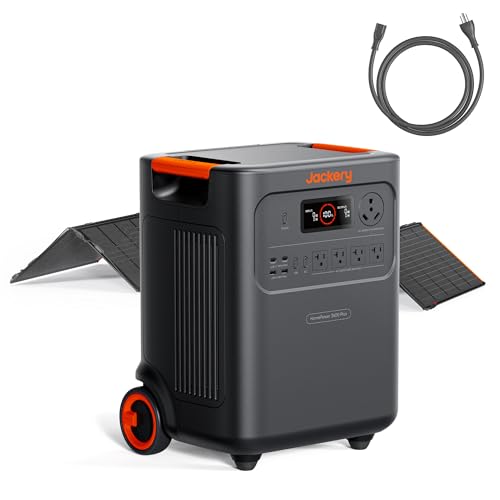
- Best Capacity for Long Outages: Jackery HomePower 3600 Plus + Extra Battery – 7,168Wh covers multiple days
- Best Expandable: Jackery HomePower 3600 Plus + 500X Solar Panels – grows to 21kWh
- Best for Bug-Out: Anker SOLIX S2000 + Alternator Charger – charges from vehicle on the move
- Best Value Mid-Size: Anker SOLIX S2000 + AC Charging Cable – solid 2,000Wh home prep station
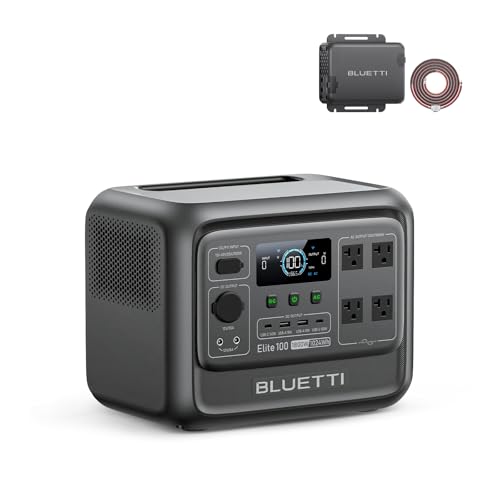
- Best Battery Longevity: BLUETTI Elite 200 V2 + AC Cable – 17-year lifespan claim, 2,600W output
Preppers and emergency planners have one question that matters above all others when evaluating a solar generator: will it still work when I actually need it? That question shapes every spec worth caring about – battery chemistry, recharge flexibility, surge capacity, and the ability to scale up over time. The units on this list are all built around LiFePO4 (LFP) cells, which are the clear choice for preparedness applications. LFP chemistry does not experience thermal runaway under stress, tolerates wider temperature swings, and retains usable capacity after sitting in storage for far longer than lithium NMC alternatives.
The math for sizing a prepper setup is straightforward. A typical essential load – one full-size refrigerator at 150W average draw, a few LED lights at 50W combined, and a laptop for communications at 60W – runs around 260W continuously. At that rate, a 2,000Wh unit gives you roughly 7.7 hours before the battery is exhausted. For two days of uninterrupted coverage, you need closer to 4,000Wh. That calculation is why the highest-capacity option on this list, the Jackery HomePower 3600 Plus paired with an extra battery at 7,168Wh total, can sustain that same essential load for approximately 27 hours straight – even before any solar recharge is factored in. For deeper context on sizing a full home backup system, see our guide to the best solar generators for home backup.
Best Solar Generators for Preppers – Full Reviews
Anker SOLIX C2000 Gen 2 + 400W Solar Panel – Fastest Full Recharge in Class
The Anker SOLIX C2000 Gen 2 paired with the 400W solar panel bundle is the most compelling ready-to-go prepper kit available right now. The 2,048Wh LFP battery carries a 2,400W continuous output rating with peak surge capacity reaching 4,000W, which comfortably handles a full-size refrigerator, window air conditioner, and critical electronics simultaneously. What separates it from the competition is its 58-minute full recharge time via AC, meaning you can top up completely during a brief grid restoration before an expected prolonged outage – a scenario preppers frequently plan for.
The included 400W solar panel means this is a true turn-key emergency power solution out of the box. Solar input provides a grid-independent recharge path for situations where AC power is unavailable for extended periods. The LFP chemistry means the unit can be stored at partial charge without the battery degradation that plagues older NMC designs, which is critical when a generator may sit unused for months or years between events.
Best for: Preppers who want an all-in-one kit that is ready to deploy immediately and can be fully recharged in under an hour during partial grid availability.
BLUETTI Elite 200 V2 + AC Cable – Longest Expected Lifespan
The BLUETTI Elite 200 V2 is built around a 2,073Wh LFP cell pack and rated for 2,600W continuous output. Its standout feature is a claimed 17-year lifespan based on cycle life testing, which translates to a unit that should remain functional well beyond any reasonable preparedness planning horizon. The 3,900W Power Lifting mode extends its ability to start and run motor-heavy appliances – well pumps, chest freezers, and window AC units – that draw well above the rated continuous output during startup.
The AC cable bundle makes this a practical home prep station without requiring a solar panel purchase upfront. BLUETTI’s app integration provides real-time monitoring of battery state, power draw, and charge status, which matters when managing a multi-day outage scenario where conservation decisions need data. The combination of high continuous output, surge handling, and long battery life makes this a strong option for preppers who prioritize reliability over the longest possible shelf time between uses.
Best for: Preppers who treat their generator as a long-term investment and want LFP cells rated to outlast shorter-horizon emergency planning cycles.
LiFePO4 chemistry is the baseline requirement for any serious prepper power setup. It does not catch fire under abuse, handles temperature extremes far better than NMC alternatives, and holds a charge during long-term storage without the accelerated self-discharge that degrades NMC cells when they sit unused.
Jackery HomePower 3600 Plus + 500X Solar Panels – Best Expandable System
The Jackery HomePower 3600 Plus starts at 3,584Wh – already enough to cover essential prepper loads for roughly 13 hours straight – and is designed from the ground up to expand. Additional battery packs can bring total capacity all the way to 21kWh, which transitions this from a preparedness device to a full household backup system. The 3,600W continuous output and 7,200W surge rating mean it can run virtually any residential appliance, including well pumps and larger HVAC loads that other portable generators in this capacity range cannot handle.
The 500X solar panels included in this bundle provide a substantial solar charging input path. For preppers in regions with reliable daytime sun, solar recharge can effectively extend a multi-day outage scenario indefinitely during the summer months. The expandable architecture also makes this the most future-proof option on this list – as budget allows, capacity grows without replacing the core unit. For those building toward true grid independence, our best solar generators for off-grid living guide covers how systems like this scale into permanent installations.
Best for: Preppers who want a system that starts useful now and can grow into a full home backup solution as their preparedness budget expands over time.
Anker SOLIX S2000 + AC Charging Cable – Reliable Home Prep Station
The Anker SOLIX S2000 with AC charging cable represents a focused, no-excess home preparedness station. At 2,010Wh LFP and 1,500W continuous output (3,000W peak), it is sized for the core essential loads most preppers prioritize – refrigerator, lighting, communication devices, and medical equipment. Anker’s build quality and customer support infrastructure make this a particularly low-risk choice for preppers who want confidence in the product’s long-term reliability rather than chasing the highest specs on paper.
The multiple recharge options available on the S2000 platform – AC wall charging, solar panels (sold separately), and car charging – mean this unit is not dependent on any single power input path. For a home prepper whose primary scenario involves extended grid outages, the AC cable bundle covers the most common recharge scenario during partial grid restoration windows. The 2,000Wh capacity tier aligns well with the general preparedness planning rule of 2,000Wh per day for a one-person essential load profile.
Best for: Home preppers who want a dependable 2,000Wh station from a brand with strong support, without needing vehicle charging or solar panel integration from day one.
Jackery HomePower 3600 Plus + Extra Battery – Highest Capacity Prepper Configuration
This configuration of the Jackery HomePower 3600 Plus paired with an additional battery pack delivers 7,168Wh of total LFP capacity – the largest usable reserve on this list by a significant margin. At the 260W essential load baseline, this unit runs approximately 27 hours before requiring any recharge. For multi-day emergency scenarios, this capacity buffer provides a meaningful safety margin even when solar conditions are poor or unavailable.
The 3,600W continuous output and 7,200W surge capability remain unchanged from the base HomePower 3600 Plus – the extra battery purely extends runtime rather than altering the power delivery profile. This makes the configuration especially practical for preppers who run heavier loads periodically (a chest freezer cycling on, a sump pump activating) while maintaining a large reserve for critical continuous loads. See our best large solar generators guide for more options in the high-capacity tier.
Best for: Preppers planning for extended multi-day outages who want the largest possible reserve capacity and are not constrained by portability requirements.
For a two-person household running a full-size refrigerator, lights, and communication devices around the clock, plan for 4,000Wh to 5,000Wh of usable capacity per day. A 7,168Wh system with solar recharge can sustain that load indefinitely in most climates during spring and summer months.
Anker SOLIX S2000 + Alternator Charger – Best for Mobile Bug-Out Preppers
The Anker SOLIX S2000 paired with an alternator charger is the same 2,010Wh LFP core unit as the AC cable variant, configured specifically for mobile emergency use. The alternator charger connects directly to a vehicle’s alternator, allowing the battery to charge while driving – a critical capability for bug-out scenarios where grid power and solar conditions cannot be counted on. A six-hour drive in a standard vehicle can meaningfully recharge the battery, making range from a home base a factor of driving time rather than available sunlight or grid access.
For preppers whose emergency plan includes relocation – evacuating ahead of a natural disaster, moving to a secondary location, or extended vehicle-based living – this charging configuration adds a layer of energy independence that purely grid or solar-dependent units cannot match. The 1,500W continuous and 3,000W peak output remains sufficient for essential loads at a camp or temporary shelter. Combined with the S2000’s standard solar input capability, a mobile prepper can recharge from the vehicle while driving and from solar panels once stationary. For comprehensive emergency power planning, the best emergency solar generators guide covers additional options built for rapid-deployment scenarios.
Best for: Mobile preppers, bug-out planners, and anyone whose emergency strategy involves vehicle-based evacuation or relocation where grid and solar charging may not be available.
FAQ
What battery chemistry should preppers look for in a solar generator?
LiFePO4 (LFP) is the only chemistry that meets the requirements for serious preparedness use. LFP cells do not experience thermal runaway – the dangerous uncontrolled heating that can cause NMC lithium cells to catch fire under stress, overcharge, or physical damage. In a grid-down emergency scenario, where charging conditions may be irregular and the unit may be operating in temperature extremes, the safety margin LFP provides is not academic. LFP cells also tolerate partial state of charge during long-term storage far better than NMC, meaning a unit stored at 50% charge for 18 months will still have a predictable and usable capacity when needed. Every unit on this list uses LFP chemistry for these reasons.
How much solar generator capacity do preppers actually need?
The practical starting point is to calculate your essential daily load – the minimum set of appliances you would run during an emergency. A full-size refrigerator averages around 150W continuously, LED lighting across a few rooms adds roughly 50W, and a laptop or tablet for communication runs 60W – totaling approximately 260W of continuous draw. A 2,000Wh unit at that load rate lasts about 7.7 hours. For 48 hours of coverage between recharge opportunities, you need 4,000Wh to 5,000Wh. If your plan includes a window air conditioner (500-700W additional), well pump, or medical equipment, calculate those loads separately and add them. The Jackery HomePower 3600 Plus + Extra Battery configuration at 7,168Wh is the highest-capacity option here and covers multi-day essential loads with margin for solar recharge shortfalls. For preppers building toward a full home backup plan, the best solar generators for home backup guide covers larger permanent-install options as well.
Final Verdict
The best solar generator for preppers depends on the scenario being planned for. The Anker SOLIX C2000 Gen 2 + 400W Solar Panel is the strongest all-around starting point: it arrives solar-ready, recharges completely in under an hour, and delivers 2,400W of continuous power with 4,000W surge capacity. For preppers prioritizing maximum capacity to cover multi-day outages, the Jackery HomePower 3600 Plus + Extra Battery at 7,168Wh is the clear choice – it covers 27 hours of essential load use without any recharge and pairs naturally with solar panels for indefinite coverage in good sun conditions.
Mobile and bug-out preppers should prioritize the Anker SOLIX S2000 + Alternator Charger, which provides vehicle-based recharging that grid-dependent units cannot replicate. Preppers who plan to grow their system over time will find the Jackery HomePower 3600 Plus + 500X Solar Panels the most future-proof option, with expandability to 21kWh as budget allows. All six units here use LFP chemistry – the non-negotiable foundation for any preparedness power setup that needs to be reliable under stress, in storage, and over the long term.


Write Your Review
No reviews yet. Be the first to share your experience!