




Quick Picks: Best Portable Generators for Medical Equipment
- Best Premium Gas Generator for Medical Use: Honda EU2200i 2200W – gold standard clean power, under 0.3% THD, the go-to recommendation from respiratory therapists and home health agencies for oxygen concentrators
- Best Value Inverter Generator: Westinghouse iGen2200 – parallel capable, 52dB quiet, under 1.2% THD, trusted by CPAP users through extended multi-day outages
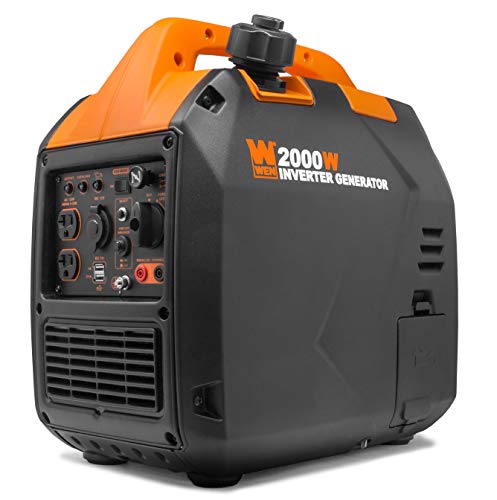
- Best Budget Pick with Pure Sine Wave: WEN 56203i 2000W – pure sine wave at the lowest gas generator price point, CARB compliant, fuel shutoff protects the carburetor during storage
- Best Mid-Range Option with Extra Headroom: ERAYAK 2400W Inverter Generator – 200 extra surge watts vs 2000W class, ECO mode, handles home oxygen concentrators with capacity left for other loads
- Best Battery Station for Indoor Medical Use: EcoFlow DELTA 2 1024Wh – pure sine wave, zero fumes, runs oxygen concentrators and CPAP indoors without any ventilation risk
- Best Compact Travel Generator: Jackery Explorer 300 – lightweight and travel-ready, pure sine wave output for portable CPAP and small medical devices during trips or short outages
Medical equipment operates on a different standard than household appliances. A refrigerator tolerates minor voltage fluctuations without consequence. An oxygen concentrator or CPAP machine does not. The motor controllers, microprocessors, and sensitive electronics inside home medical devices require stable, clean sine wave power, specifically power with low total harmonic distortion (THD). A conventional open-frame generator running at 5% to 8% THD can shorten the lifespan of medical equipment, trigger error codes, or in worst cases, cause device failure during a power outage when that equipment is most critical.
The generators and power stations on this list all produce pure sine wave output at 1.2% THD or below, the same standard used by utility grid power. Each has been selected based on output quality, reliability track record, runtime, and practical suitability for home medical use. Whether the need is backup power for a stationary oxygen concentrator, a CPAP machine during overnight outages, or a portable power source for medical equipment while traveling, the right option depends on wattage requirements, runtime needs, and whether indoor operation is necessary.
The single most important specification when choosing a generator for medical equipment is not wattage – it is THD (total harmonic distortion). Any generator above 3% THD poses a risk to sensitive electronics. For medical devices, stay at 1.2% or below. Every pick on this list meets that threshold.
What Makes a Generator Safe for Medical Equipment
Standard portable generators use a brushed alternator design that produces what is called “modified sine wave” or “dirty power,” characterized by high THD levels. Inverter generators use a different process: the engine generates AC power, converts it to DC, then inverts it back to clean AC at precisely 60Hz with THD well under 3%. This extra conversion step is what makes inverter generators safe for microprocessor-controlled medical devices.
Battery power stations take this further by drawing from a stored DC battery bank and inverting to AC at the point of use, producing the cleanest possible sine wave with near-zero THD and no fuel, no exhaust, and no noise. For patients who need to operate equipment indoors, a battery power station is often the correct solution rather than any gas-powered generator.
For wattage planning: a standard 5-liter-per-minute home oxygen concentrator draws 150 to 300 watts continuously. A CPAP machine without a heated humidifier draws 30 to 60 watts. A CPAP with heated humidifier draws 100 to 170 watts. A BiPAP draws 100 to 200 watts. These are low-wattage medical devices, which means a 2000-watt inverter generator provides far more capacity than required and can comfortably run the medical device alongside a lamp, phone charger, and small fan simultaneously.
Best Portable Generators for Medical Equipment – Reviewed
Honda EU2200i – The Benchmark for Medical-Grade Generator Power
There is a reason home health agencies and respiratory care coordinators consistently point to the Honda EU2200i when patients ask which generator to use with their oxygen concentrator. It is not marketing. It is a track record built over more than two decades of Honda’s inverter generator line producing power that medical device manufacturers themselves have tested and approved. The EU2200i outputs under 0.3% THD, a specification that puts it closer to hospital-grade power conditioning equipment than to conventional portable generators.
The CO-Minder system adds a carbon monoxide detection and automatic shutoff, a feature that matters because oxygen concentrators often run through the night when a household is asleep. At 48dB at quarter load, the EU2200i is quiet enough to run near a bedroom window without disrupting sleep. Two EU2200i units can be connected in parallel for 4400 watts total, though for purely medical purposes a single unit has more than enough capacity. Fuel consumption in ECO mode at low medical loads runs approximately 0.1 gallons per hour, making a single tank of fuel sufficient for eight to nine hours of operation.
The tradeoff is weight and cost. At 47 pounds, it requires carrying to the correct outdoor placement. For patients with limited mobility, the placement and startup process may require household assistance. For those who need indoor operation without assistance, see the EcoFlow DELTA 2 below.
Best for: Patients with oxygen concentrators who require the highest reliability standard, households where the generator also needs to power other appliances during an outage, anyone whose medical device manufacturer specifically recommends Honda inverter power.
Westinghouse iGen2200 – The Practical CPAP Backup Solution
Picture the scenario that most CPAP users face: a late-night thunderstorm knocks out grid power at 11pm. The equipment needs to run through the night, ideally without waking the household, and the generator needs to sit outside at a safe distance from the bedroom window. The Westinghouse iGen2200 was built for exactly this use profile. At 52dB, it sits below normal conversation volume. At under 1.2% THD, it meets the clean power threshold for all major CPAP and BiPAP brands.
The iGen2200 runs 12 hours at 25% load on a single tank – enough to cover a full night and into the next morning on one fueling. The fuel gauge is visible without removing the cover, a practical detail when checking fuel levels in the dark. Two units parallel-connect using Westinghouse’s parallel cable for 4400 watts combined, though for medical equipment purposes the single unit handles all realistic home medical loads with capacity available for a lamp, phone charger, and small refrigerator simultaneously.
For CPAP users, runtime matters more than peak wattage. A CPAP machine draws 30 to 170 watts depending on humidifier settings. A 2200W generator at that load runs well into ECO mode territory, which means longer runtime per tank and quieter operation – both important when the generator needs to run through the night.
Best for: CPAP and BiPAP users who need reliable overnight backup power, households that prioritize quiet operation, anyone who wants the option to parallel two units for expanded capacity.
WEN 56203i – Genuine Pure Sine Wave at an Accessible Price Point
The argument against choosing a cheaper inverter generator for medical equipment has always been uncertainty about power output quality. WEN addresses this directly: the 56203i is a true inverter generator producing genuine pure sine wave power at under 1.2% THD, verified independently and consistent with the claims on the box. This is not a modified sine wave generator with inverter branding. For patients comparing options who cannot justify the premium tier, the WEN 56203i delivers the same output quality specification at a more accessible price point.
The fuel shutoff feature is worth noting for medical use specifically. When the petcock is turned to the shutoff position and the generator runs dry, the carburetor clears of gasoline, preventing gumming during extended storage between outages. For a generator that may sit unused for months between power outages, this extends the reliability of cold starts when the generator is actually needed. CARB compliance means it can be purchased and operated in California and other emissions-regulated states.
At 2000 watts peak and 1700 running watts, the WEN handles oxygen concentrators (150-300W), CPAP with humidifier (up to 170W), and additional small loads without difficulty. The 1-gallon tank runs approximately 6 hours at half load – adequate for overnight coverage with a planned refuel.
Best for: Budget-conscious households who need genuine pure sine wave power for medical devices, CPAP users in states with CARB emissions requirements, anyone who stores their backup generator between infrequent use and needs reliable cold starts.
ERAYAK 2400W – When 2000 Watts Is Not Quite Enough Headroom
What wattage does a home oxygen concentrator actually need? The running draw is typically 150 to 300 watts, but the startup surge can reach 600 to 900 watts depending on the concentrator model and age. On a 2000-watt inverter generator at maximum load with other devices connected, that startup surge can briefly exceed the generator’s rated surge capacity, causing the inverter to trip. The ERAYAK 2400W closes that gap: at 2400 peak watts and 2000 running watts, it provides the same continuous capacity as a 2000W unit but with meaningfully more headroom for startup spikes.
The ECO mode throttles the engine to match the actual load, which at medical equipment loads (typically under 400 watts total) means the ERAYAK runs quietly and efficiently. The EPA-compliant engine meets federal emissions standards for sale in all 50 states. For users who run an oxygen concentrator, a CPAP, and a lamp simultaneously – a realistic overnight medical load profile – the ERAYAK handles this without the load anxiety that comes with pushing a 2000W unit close to its rated continuous output.
This is the practical mid-tier choice: more startup headroom than the 2000W class without the premium pricing of the Honda or Westinghouse.
Best for: Patients with higher-draw oxygen concentrators (5+ liters per minute), households running multiple medical devices simultaneously, anyone who has experienced generator tripping during concentrator startup on a 2000W unit.
EcoFlow DELTA 2 – The Only Safe Option for Indoor Medical Backup
Every gas-powered generator on this list requires outdoor placement at least 20 feet from windows and doors. Carbon monoxide is colorless and odorless, and a generator running near an open window during a storm can introduce CO into a home in minutes. For patients who cannot relocate to a room with outdoor generator access, or who live in apartments or homes without suitable outdoor placement, gas generators are not a viable option. The EcoFlow DELTA 2 exists for exactly this situation.
The DELTA 2 stores 1024Wh of LiFePO4 battery capacity and outputs 1800 watts of pure sine wave AC power – enough to run a standard home oxygen concentrator continuously for 3 to 6 hours depending on concentrator draw, and a CPAP machine for 10 to 20 hours. It operates silently, produces zero emissions, and can be placed on a nightstand, in a closet, or in a bedroom. During an outage, it functions as a plug-in UPS: devices plugged into the DELTA 2 continue running without interruption when grid power goes out, provided the unit was kept charged. Recharging time from a standard 120V outlet is approximately 1.5 hours.
For apartment residents, patients in assisted living situations, or anyone who cannot safely operate outdoor gas equipment, a battery power station is not a compromise – it is the correct medical equipment backup solution. Gas generators should not enter the discussion for indoor medical use.
The DELTA 2 can also be paired with EcoFlow solar panels for extended backup during multi-day outages, which connects naturally to other solar generators designed for CPAP machines if extended off-grid medical backup is the primary concern.
Best for: Apartment residents and patients without safe outdoor generator access, patients who need zero-disruption overnight power (the unit is silent), anyone managing a medical condition that makes carbon monoxide risk unacceptable.
Jackery Explorer 300 – Travel Companion for Portable Medical Equipment
At 7.1 pounds, the Jackery Explorer 300 is the only option on this list designed to be carried onto an airplane as checked luggage or packed into a travel bag alongside a portable CPAP machine. The FAA limits lithium battery air travel to 160Wh; the Explorer 300 at 293Wh falls outside carry-on rules, but its size and weight make it practical for road trips, hotel stays, and camping trips where reliable power for a portable CPAP or small medical device is needed without access to shore power.
The pure sine wave AC output handles all portable CPAP machines, small nebulizers, and other battery-dependent travel medical devices. At 293Wh, a typical travel CPAP without humidifier (roughly 15-30W) runs for 8 to 15 hours per charge – sufficient for a full night. A standard CPAP with humidifier (up to 90W) runs for 3 to 5 hours, adequate for a short flight recovery or a camping night with a pre-charged unit.
The Explorer 300 is not a replacement for a home backup generator during extended outages – its 293Wh capacity is a fraction of the DELTA 2. But for patients whose primary concern is maintaining medical equipment access during travel rather than extended home backup, it is the most practical portable medical power solution available at its weight class.
Best for: CPAP users who travel frequently, patients who need lightweight backup power for portable nebulizers or other travel medical devices, camping and overlanding use where weight is a constraint.
How to Choose a Generator for Medical Equipment
Start with THD, Not Wattage
The wattage requirement for most home medical equipment is low enough that almost any inverter generator handles it comfortably. What separates safe from unsafe generators for medical devices is THD. Confirm that any generator under consideration produces pure sine wave output at 1.2% THD or below before looking at any other specification. Open-frame conventional generators, regardless of wattage, are not appropriate for sensitive medical electronics. See the full guide to low THD portable generators for a broader look at this specification across generator categories.
Calculate Your Actual Wattage Requirement
Check the label on the back of each medical device for running wattage. Add a 25% buffer for startup surges and simultaneous loads. Most home oxygen concentrators run below 400 watts. Most CPAP machines run below 200 watts with humidifier. A 2000W inverter generator has roughly 5 times more continuous capacity than needed for a single oxygen concentrator, providing substantial room for other loads during an extended outage.
Indoor vs Outdoor Use Determines Gas vs Battery
Gas inverter generators must operate outdoors. Battery power stations operate safely indoors with no ventilation requirements. The decision between a gas generator and a battery station should be made based on the physical realities of where the generator can be safely operated, not based on capacity alone. For patients without reliable outdoor generator placement, a battery power station is the correct choice regardless of runtime comparisons.
Runtime Planning for Extended Outages
Seasonal storm outages in many regions last 12 to 48 hours. A gas inverter generator running at medical equipment loads (under 400 watts total) typically consumes 0.1 to 0.15 gallons per hour in ECO mode. A five-gallon fuel container provides 33 to 50 hours of runtime – sufficient for most residential outage scenarios. Battery power stations require grid power for recharging; in extended outages, pairing with solar panels as a recharge source extends effective runtime indefinitely in suitable weather conditions.
FAQs
Can any inverter generator run medical equipment?
Any inverter generator producing pure sine wave output at under 1.2% THD is technically safe for medical equipment. However, for critical-use equipment like oxygen concentrators, generators with a proven reliability track record – specifically Honda and Westinghouse – are the more cautious choice. The inverter quality and component durability vary between manufacturers, and for life-support-adjacent equipment, reliability matters more than cost savings.
Is a 2000W generator enough for an oxygen concentrator?
Yes, for the vast majority of home oxygen concentrators. Most 5-liter-per-minute concentrators draw under 300 watts running, well within the continuous capacity of any 2000W inverter generator. Higher-flow concentrators (8-10 liters per minute) may draw 400 to 500 watts and are better served by a 2400W or larger unit to allow comfortable startup headroom.
Can I run a CPAP machine on a battery power station?
Yes. Battery power stations with pure sine wave AC output are excellent CPAP backup solutions, particularly for travel or indoor use where gas generators cannot be operated. Runtime depends on the CPAP’s wattage draw and the station’s capacity. A CPAP without humidifier running on a 1000Wh battery station typically runs for 8 to 20 hours. Enabling the humidifier significantly increases power draw and reduces runtime.
What happens if a generator with high THD powers medical equipment?
In the short term, most modern medical devices have some internal power conditioning that provides tolerance for minor voltage irregularities. Over time, high THD power stresses the power supply components inside medical devices, potentially causing premature failure. For occasional short outages, the risk may be low. For continuous or repeated use during extended outages, clean sine wave power is worth the investment to protect equipment that may cost several thousand dollars to replace.
Do I need a special transfer switch for a medical generator?
For directly powering medical devices from a generator via extension cord, no transfer switch is required. Transfer switches are needed only when connecting a generator to a home’s electrical panel to power hardwired circuits. For most home medical equipment backup needs, a quality extension cord running from an outdoor generator to the medical device is sufficient and requires no electrical installation.
Final Verdict
For patients who need a gas generator for home medical equipment backup, the Honda EU2200i remains the benchmark: the cleanest power output, the best reliability record, and the broadest compatibility with medical device manufacturer recommendations. The Westinghouse iGen2200 delivers comparable clean power at a more accessible price point and is the practical choice for most CPAP and BiPAP backup scenarios.
For indoor use or apartment residents without outdoor generator access, the EcoFlow DELTA 2 is not a compromise, it is the correct tool. Silent, zero-emissions, and capable of running oxygen concentrators and CPAP machines through a full night on a single charge, it addresses a use case that gas generators cannot safely fill.
For a broader look at inverter generator options beyond the medical use case, the complete inverter generator comparison guide covers a wider range of wattage categories and use scenarios.





Write Your Review
No reviews yet. Be the first to share your experience!